
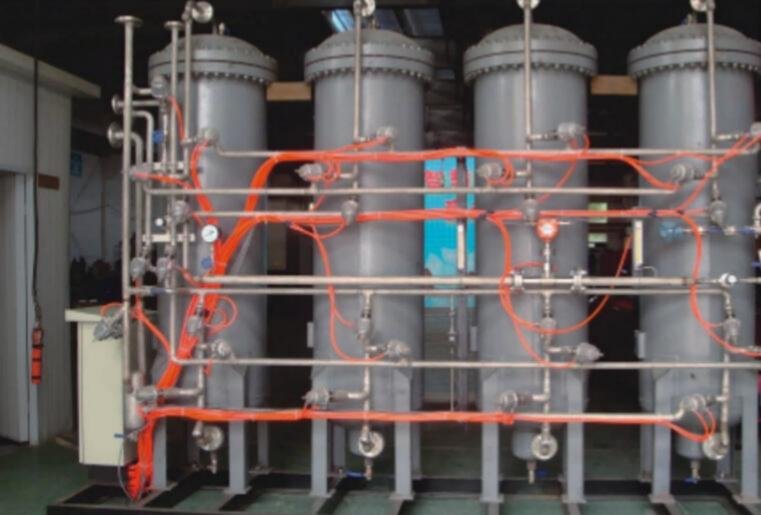
An electric ball valve is an advanced flow control device that combines a traditional ball valve with an electric actuator to automate the opening and closing of pipelines. It is widely used in modern systems where precision, remote control, and efficiency are essential.
At its core is the Ball Valve, which uses a rotating ball mechanism to regulate fluid flow.
Introduction to Electric Ball Valve
Automation is transforming fluid control systems.
What Is an Electric Ball Valve
An electric ball valve is a valve equipped with an electric actuator that controls the rotation of the ball inside the valve body. It allows automated or remote operation without manual intervention.
Key features include:
- Motor-driven operation
- Remote control capability
- Precise flow regulation
- Integration with control systems
Importance in Modern Automation ⚡
Electric ball valves are essential for:
- Industrial automation systems
- Smart building infrastructure
- Efficient process control
- Reducing manual labor

Working Principle of Electric Ball Valve ⚙️
Electric Actuation Mechanism
The actuator converts electrical energy into mechanical motion to rotate the valve ball.
Flow Control Operation
- Open position: Fluid flows freely
- Closed position: Flow is completely blocked
- Modulating position: Partial flow control
Key Components of Electric Ball Valve

Ball Valve Body
Houses the internal components and withstands pressure.
Electric Actuator
Drives the valve operation using an electric motor.
Control System
Allows integration with PLCs, sensors, and automation systems.
Types of Electric Ball Valves 🔍
On/Off Electric Ball Valve
Used for simple open or close operations.
Modulating Electric Ball Valve
Provides precise flow control with adjustable positions.
Multi-Port Electric Ball Valve
Allows multiple flow paths in complex systems.
Materials Used in Electric Ball Valves 🏗️
Stainless Steel
Offers corrosion resistance and durability.
Brass
Common in residential and light industrial applications.
PVC and Plastic
Used for lightweight and chemical-resistant applications.
Advantages of Electric Ball Valve 🌟
Automation and Remote Control
Enables operation from remote locations.
High Precision
Provides accurate flow regulation.
Energy Efficiency
Reduces energy consumption in automated systems.
Applications of Electric Ball Valve 🏭
Industrial Automation
Used in manufacturing and process industries.
Water Treatment Systems
Control water flow and distribution.
HVAC Systems
Regulate heating and cooling systems.
Oil and Gas Industry
Used for pipeline control and safety systems.
How to Choose the Right Electric Ball Valve 🔍
Voltage and Power Requirements
Ensure compatibility with available power supply.
Torque and Actuation Speed
Select based on system requirements.
Environmental Conditions
Consider temperature, humidity, and exposure to chemicals.
Installation and Maintenance 🛠️
- Proper alignment during installation
- Regular inspection of actuator and seals
- Lubrication of moving parts
- Testing control systems

Common Issues and Troubleshooting ⚠️
- Actuator failure: Check power supply and wiring
- Leakage: Inspect seals and seats
- Slow operation: Check actuator performance
Future Trends in Electric Ball Valve Technology 🚀
Smart Valves with IoT Integration
Real-time monitoring and control.
Wireless Control Systems
Improved flexibility and remote access.
Energy-Efficient Actuators
Reduced power consumption.
Advanced Materials
Enhanced durability and corrosion resistance.
Frequently Asked Questions
What is an electric ball valve?
It is a ball valve operated by an electric actuator.
How does it work?
It uses a motor to rotate the ball and control flow.
Where is it used?
In industrial automation, water systems, HVAC, and oil & gas.
What are its advantages?
Automation, precision, and remote control.
Is it energy efficient?
Yes, modern designs are optimized for efficiency.
Does it require maintenance?
Yes, periodic inspection and maintenance are recommended.
Conclusion
An electric ball valve is a powerful solution for automated flow control, combining the efficiency of a Ball Valve with advanced electric actuation technology. It offers precision, reliability, and convenience across a wide range of applications.
As industries move toward automation and smart systems, electric ball valves will continue to evolve, providing smarter, more efficient, and sustainable solutions for modern fluid control systems.