
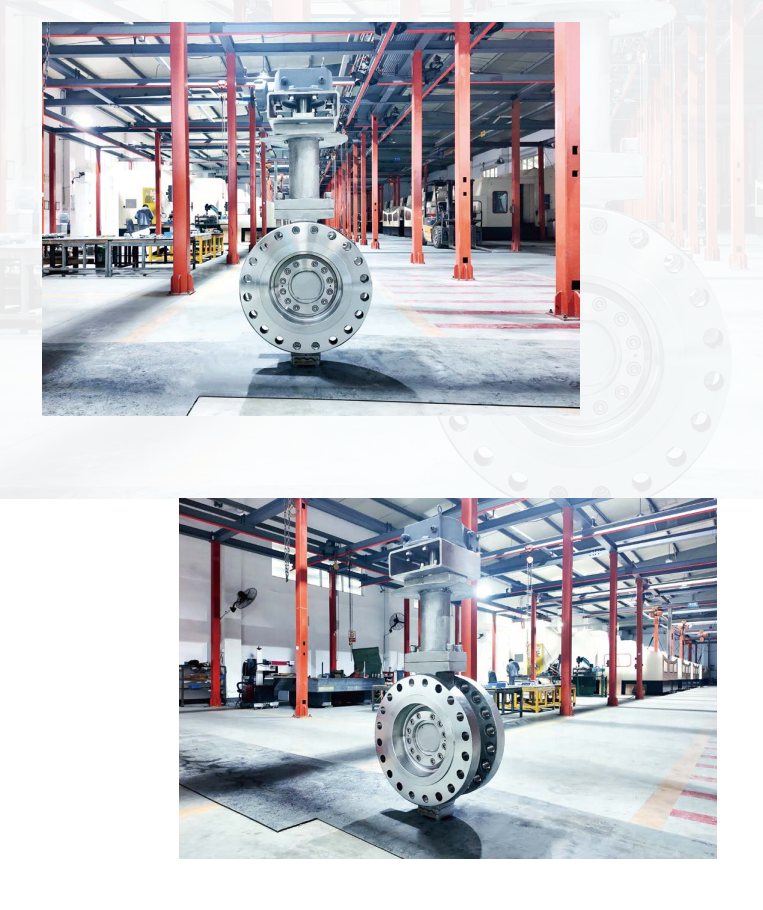
Introduction to Pneumatic Ball Valve
What is a Pneumatic Ball Valve?
A pneumatic ball valve is a type of valve that uses compressed air to operate a ball mechanism inside the valve body. This ball contains a hole or port that allows or blocks the flow of fluids such as liquids, gases, or slurries. When the actuator receives air pressure, it rotates the ball to either open or close the valve.
In simple terms, a pneumatic ball valve works like a switch that controls flow—but instead of manual effort, it uses air power. This makes it highly efficient and suitable for automated systems.
Importance in Modern Industries
In today’s fast-paced industrial world, automation is key. Pneumatic ball valve systems play a crucial role in ensuring smooth operations in industries such as oil and gas, manufacturing, and water treatment.
These valves are valued for their:
- Quick response time
- High reliability
- Ability to handle high-pressure systems
Because of these advantages, pneumatic ball valve technology has become a cornerstone of industrial fluid control systems.
Working Principle of Pneumatic Ball Valve
Basic Mechanism Explained
At its core, the pneumatic ball valve operates through a simple yet effective mechanism. A hollow ball inside the valve rotates to control the flow of fluid. When the hole in the ball aligns with the pipeline, fluid flows freely. When it is perpendicular, the flow stops.
Role of Compressed Air
Compressed air is the driving force behind the valve’s operation. The air enters the actuator, which then converts this energy into mechanical motion. This motion rotates the ball inside the valve.
This air-powered system eliminates the need for manual operation, making it ideal for remote or hazardous environments.
Internal Components Breakdown
The pneumatic ball valve consists of several key components:
- Actuator (controls movement)
- Ball (controls flow)
- Valve body (housing structure)
- Seals (prevent leakage)
Each part plays a vital role in ensuring efficient and leak-free operation.
Types of Pneumatic Ball Valve
Single-Acting Pneumatic Ball Valve
A single-acting pneumatic ball valve uses air pressure to move the valve in one direction and a spring to return it to its original position. This type is commonly used in safety-critical applications where automatic shut-off is required.
Double-Acting Pneumatic Ball Valve
A double-acting pneumatic ball valve uses air pressure for both opening and closing actions. It provides greater control and is ideal for applications requiring frequent operation.
Comparison Between Types
| Feature | Single-Acting | Double-Acting |
|---|---|---|
| Power Source | Air + Spring | Air Only |
| Safety | High | Moderate |
| Speed | Moderate | Fast |
| Cost | Higher | Lower |
Key Components of Pneumatic Ball Valve
Actuator
The actuator is the heart of the pneumatic ball valve. It converts compressed air into rotational motion. Without it, the valve cannot function automatically.
Valve Body
The valve body houses all internal components. It is typically made from materials like stainless steel or brass, ensuring durability and resistance to corrosion.
Ball and Seats
The ball controls the flow, while the seats ensure a tight seal. Together, they prevent leaks and maintain efficiency.
Seals and Accessories

Seals are crucial for preventing leakage. Additional accessories like positioners and limit switches enhance the valve’s functionality.
Advantages of Pneumatic Ball Valve
Efficiency and Speed
One of the biggest advantages of a pneumatic ball valve is its fast operation. It can open or close within seconds, improving overall system efficiency.
Durability and Reliability
These valves are built to last. They can withstand harsh environments, high pressures, and extreme temperatures.
Cost-Effectiveness
Although the initial investment may be higher, pneumatic ball valve systems reduce long-term operational costs due to minimal maintenance and energy efficiency.
Applications of Pneumatic Ball Valve
Oil and Gas Industry
In oil and gas operations, pneumatic ball valve systems control the flow of crude oil, natural gas, and other fluids. Their reliability makes them essential in this sector.
Water Treatment Plants
These valves regulate water flow in treatment plants, ensuring clean and safe water distribution.
Chemical Processing
Chemical industries rely on pneumatic ball valve technology for handling corrosive and hazardous substances safely.
Food and Beverage Industry
Hygienic designs make these valves suitable for food processing, ensuring contamination-free operations.
Installation and Maintenance Tips
Installation Guidelines
Proper installation is crucial for optimal performance. Key steps include:
- Aligning the valve correctly
- Ensuring proper sealing
- Testing before operation
Routine Maintenance Practices
Regular maintenance helps extend the lifespan of a pneumatic ball valve. This includes:
- Checking seals
- Cleaning components
- Lubricating moving parts
Troubleshooting Common Issues
Common problems include air leakage, slow operation, and valve blockage. Most issues can be resolved through regular inspection and timely repairs.
Pneumatic Ball Valve vs Other Valve Types
Comparison with Electric Ball Valves
Electric valves use electricity, while pneumatic ball valve systems rely on compressed air. Pneumatic options are generally faster and safer in explosive environments.
Comparison with Manual Valves
Manual valves require human effort, whereas pneumatic ball valve systems operate automatically, improving efficiency.
Performance Differences
Pneumatic valves outperform others in speed, reliability, and automation capabilities.
Factors to Consider When Choosing a Pneumatic Ball Valve

Pressure and Temperature Ratings
Always ensure the valve can handle the operating conditions of your system.
Material Selection
Choose materials based on the type of fluid and environmental conditions.
Size and Compatibility
The valve must fit seamlessly into your existing system.
Safety Considerations
Operational Safety Tips
- Regularly inspect the valve
- Avoid over-pressurization
- Use proper safety gear
Environmental Considerations
Ensure the valve materials are environmentally safe and compliant with regulations.
Regulatory Standards
Follow industry standards to ensure safe and efficient operation.
Future Trends in Pneumatic Ball Valve Technology
Automation and Smart Systems
Modern pneumatic ball valve systems are becoming smarter with advanced automation features.
Energy Efficiency Improvements
New designs focus on reducing energy consumption while maintaining performance.
Integration with IoT
Integration with IoT allows real-time monitoring and control, improving efficiency and reducing downtime.
Frequently Asked Questions (FAQs)
1. What is a pneumatic ball valve used for?
A pneumatic ball valve is used to control the flow of liquids and gases in automated systems.
2. How does a pneumatic ball valve work?
It uses compressed air to rotate a ball inside the valve, allowing or blocking flow.
3. What are the main types of pneumatic ball valve?
The two main types are single-acting and double-acting valves.
4. What are the advantages of using a pneumatic ball valve?
They offer fast operation, durability, and automation capabilities.
5. Where are pneumatic ball valves commonly used?
They are used in industries like oil and gas, water treatment, and chemical processing.
6. How do you maintain a pneumatic ball valve?
Regular inspection, cleaning, and lubrication are essential for maintenance.
Conclusion
The pneumatic ball valve is a vital component in modern industrial systems. Its ability to provide fast, reliable, and automated flow control makes it indispensable across various industries. From oil and gas to food processing, its applications are vast and growing.
As technology advances, pneumatic ball valve systems will continue to evolve, offering smarter, more efficient, and environmentally friendly solutions. Investing in the right valve and maintaining it properly ensures long-term performance and safety.