
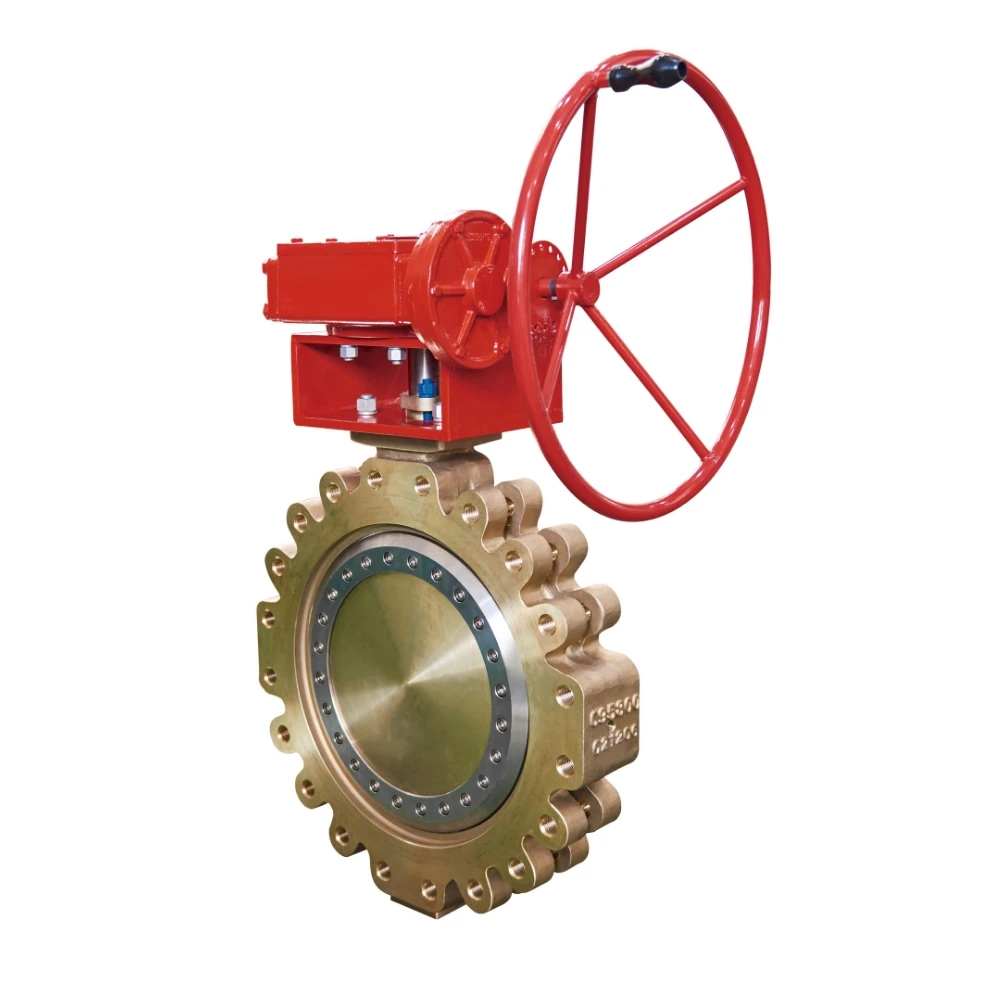
Introduction to Manual Ball Valve
What is a Manual Ball Valve?
A manual ball valve is a simple yet highly effective device used to control the flow of liquids or gases through a pipeline. It features a spherical ball with a hole in the center, which rotates to either allow or block the flow. Unlike automated valves, a manual ball valve is operated by hand using a lever or handle.
This type of valve is widely used due to its reliability, ease of use, and cost-effectiveness. Whether in homes or industrial setups, the manual ball valve remains one of the most trusted flow control solutions.
Why Manual Valves Still Matter Today
In an era dominated by automation, manual ball valve systems still hold a strong position. Why? Because they are:
- Easy to install and operate
- Highly reliable with fewer failure points
- Cost-efficient compared to automated alternatives
For many applications, especially where automation is unnecessary, manual ball valve solutions are the perfect choice.
Working Principle of Manual Ball Valve
How the Ball Mechanism Controls Flow
The working principle of a manual ball valve is straightforward. Inside the valve is a ball with a hole (port). When the handle is turned, the ball rotates.
- When the hole aligns with the pipe → fluid flows
- When the hole is perpendicular → flow stops
This simple mechanism ensures quick and efficient control.
Quarter-Turn Operation Explained
One of the standout features of a manual ball valve is its quarter-turn operation. This means the valve can go from fully open to fully closed with just a 90-degree turn of the handle.
This quick action makes it highly efficient in emergency situations where immediate shut-off is required.
Internal Structure and Flow Path
The internal design includes:
- A hollow ball
- Sealing seats
- A stem connecting the handle to the ball
This design minimizes pressure drop and ensures smooth flow.
Types of Manual Ball Valve
Full Port Ball Valve
A full port manual ball valve has an opening equal to the pipe diameter. This allows maximum flow with minimal resistance.
Reduced Port Ball Valve
In this type, the opening is smaller than the pipe diameter. While it reduces flow slightly, it is more compact and cost-effective.
V-Port Ball Valve
A V-port manual ball valve features a V-shaped opening that allows more precise flow control. It is ideal for applications requiring throttling.
Comparison of Valve Types
| Type | Flow Capacity | Cost | Application |
|---|---|---|---|
| Full Port | High | Higher | Industrial |
| Reduced Port | Moderate | Lower | General Use |
| V-Port | Controlled | Medium | Precision Systems |
Key Components of Manual Ball Valve
Valve Body
The valve body is the outer shell that holds all components together. It is usually made from materials like brass, stainless steel, or PVC.
Ball and Stem
The ball controls the flow, while the stem connects it to the handle. Turning the handle rotates the ball.
Seats and Seals
Seats hold the ball in place and create a tight seal to prevent leaks. High-quality seals are essential for long-term performance.
Handle and Actuation Mechanism
The handle is what the user interacts with. It provides a simple way to control the valve manually.
Advantages of Manual Ball Valve
Simple Operation
A manual ball valve is incredibly easy to use. Even someone with minimal technical knowledge can operate it.
Durability and Longevity
These valves are built to last. They can withstand high pressure and temperature conditions.
Low Maintenance Requirements
With fewer moving parts, a manual ball valve requires minimal maintenance, saving both time and money.
Applications of Manual Ball Valve
Residential Plumbing
In homes, manual ball valve systems are used for water supply control, allowing easy shut-off during repairs.
Industrial Use
Industries rely on these valves for controlling various fluids in pipelines.
Irrigation Systems
Farmers use manual ball valve solutions to regulate water flow in irrigation systems.
Oil and Gas Sector
Even in heavy industries, manual ball valve systems are used for backup or auxiliary control.
Installation Guidelines
Proper Positioning
Ensure the valve is installed in the correct orientation for optimal performance.
Connection Methods
Common connection types include threaded, flanged, and welded connections.
Common Installation Mistakes
Avoid:
- Over-tightening
- Misalignment
- Using incorrect fittings
Maintenance and Troubleshooting
Routine Inspection Tips
Regular checks help identify issues early. Look for leaks, corrosion, or wear.
Fixing Leakage Issues
Leaks often result from worn seals. Replacing seals usually solves the problem.
When to Replace a Valve
If the valve shows severe wear or damage, replacement is the best option.
Manual Ball Valve vs Other Valve Types
Comparison with Gate Valves
Gate valves are better for gradual control, while manual ball valve systems are ideal for quick shut-off.
Comparison with Globe Valves
Globe valves offer better throttling, but manual ball valve solutions are more efficient for on/off control.
Performance and Cost Analysis
Manual ball valve systems are generally more cost-effective and easier to maintain.
Factors to Consider When Choosing a Manual Ball Valve
Material Selection
Choose materials based on the fluid type and environment.
Pressure and Temperature Ratings
Ensure the valve can handle operating conditions.
Size and Compatibility
The valve must fit your pipeline system perfectly.
Safety Considerations
Handling High Pressure Systems
Always follow safety guidelines when dealing with high-pressure systems.
Preventing Accidental Operation
Use locking mechanisms if necessary to prevent unintended use.
Industry Standards and Compliance
Ensure the valve meets relevant safety standards.
Future Trends in Manual Ball Valve Design
Improved Materials
New materials are making valves more durable and corrosion-resistant.
Hybrid Valve Systems
Combining manual and automated features is becoming more common.
Sustainability Innovations
Eco-friendly designs are gaining popularity.
Frequently Asked Questions (FAQs)
1. What is a manual ball valve used for?
It is used to control the flow of liquids or gases in pipelines.
2. How does a manual ball valve work?
It uses a rotating ball with a hole to allow or block flow.
3. What are the types of manual ball valve?
Full port, reduced port, and V-port are the main types.
4. What are the advantages of manual ball valve?
They are durable, easy to use, and require low maintenance.
5. Where are manual ball valves commonly used?
They are used in plumbing, industries, and irrigation systems.
6. How do you maintain a manual ball valve?
Regular inspection and seal replacement are key maintenance steps.
Conclusion
The manual ball valve continues to be a vital component in both residential and industrial systems. Its simplicity, reliability, and cost-effectiveness make it an excellent choice for controlling fluid flow. While automation is on the rise, the manual ball valve remains indispensable for many applications.
By understanding its types, components, and proper usage, you can ensure optimal performance and long-term efficiency. Investing in a high-quality manual ball valve is a smart decision that pays off in reliability and durability.