
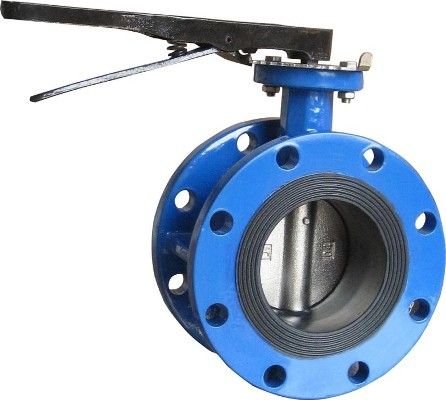
A butterfly valve is one of the most widely used valves in industrial systems due to its lightweight design, cost-effectiveness, and ease of operation. From water treatment plants to large-scale industrial pipelines, the butterfly valve provides efficient flow control with minimal space requirements.
If you are selecting valves for your system, understanding how a butterfly valve works and where it performs best is essential for maximizing efficiency and reducing costs.
🔍 What Is a Butterfly Valve?
Definition and Structure
A butterfly valve is a quarter-turn valve that uses a rotating disc to regulate or stop fluid flow. The disc is mounted on a shaft and rotates within the pipeline.
Key Components
- Valve body
- Disc
- Stem
- Seat
- Actuator (manual or automatic)
This simple structure makes butterfly valves easy to install and maintain.
⚙️ How Does a Butterfly Valve Work?
Working Principle
The butterfly valve operates by rotating the disc 90 degrees:
- Open: Disc is parallel to flow
- Closed: Disc blocks flow
Flow Regulation Mechanism
Unlike some valves, butterfly valves can also be used for throttling, allowing partial opening to control flow rate.
🧩 Types of Butterfly Valve
Wafer Butterfly Valve
- Compact design
- Installed between flanges
- Cost-effective
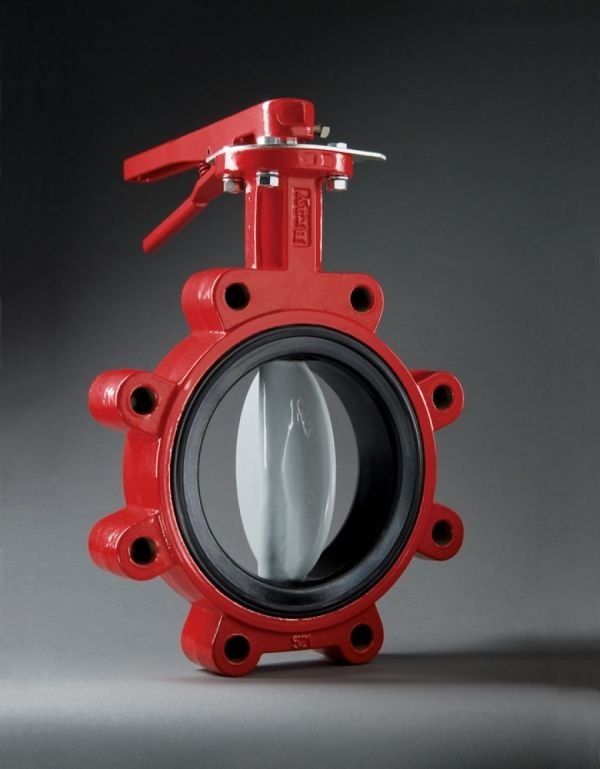
Lug Butterfly Valve
- Threaded inserts for easy removal
- Suitable for end-of-line service
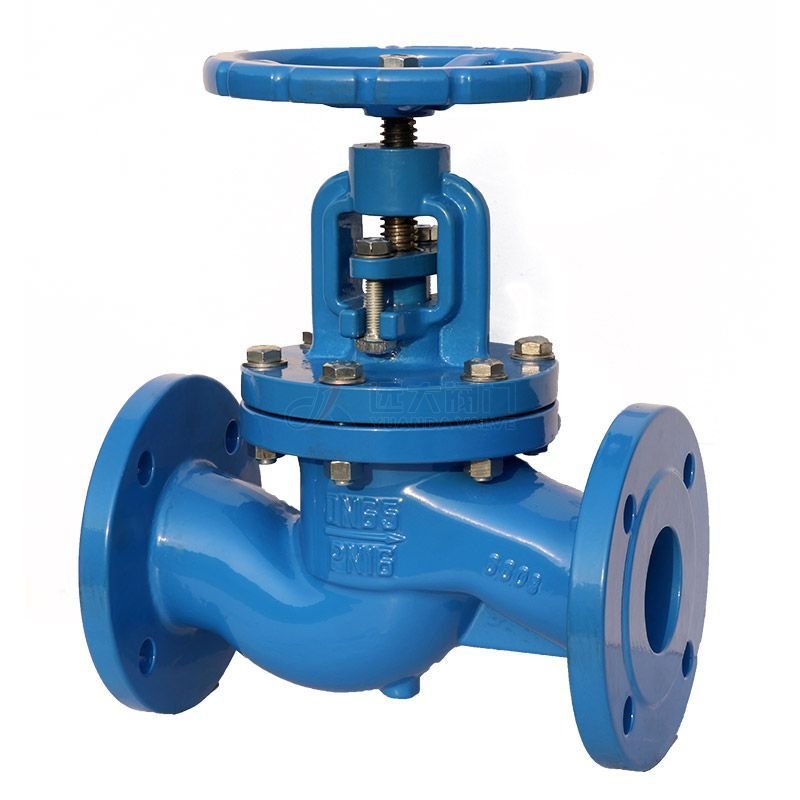
Flanged Butterfly Valve
Provides strong and secure connections in industrial pipelines.
👉 Explore your product category:
https://hongonvalve.com/product/flanged-valves/
👉 Discover more valve solutions:
https://hongonvalve.com/
High-Performance Butterfly Valve
- Designed for high pressure and temperature
- Improved sealing performance
🧱 Materials Used in Butterfly Valve
Metal Materials
- Stainless steel
- Cast iron
- Carbon steel
Plastic Materials
Used for corrosion resistance in chemical applications.
Seat Materials
- EPDM
- PTFE
- NBR
🌍 Applications of Butterfly Valve
Water Treatment
Used for flow regulation in pipelines and filtration systems.
HVAC Systems
Controls airflow and temperature systems.
Oil and Gas
Handles large volumes of fluid in pipelines.
Chemical Industry
Suitable for handling various chemicals.
👉 Learn more about standards:
https://www.api.org/
https://www.iso.org/standards.html
✅ Advantages of Butterfly Valve
- Lightweight and compact
- Cost-effective
- Quick operation
- Low maintenance
- Suitable for large diameters
⚠️ Limitations and Considerations
- Not ideal for very high-pressure systems
- Potential leakage in low-quality designs
- Disc may obstruct flow slightly
🔄 Butterfly Valve vs Ball Valve
| Feature | Butterfly Valve | Ball Valve |
|---|---|---|
| Cost | Lower | Higher |
| Size | Compact | Larger |
| Flow Control | Moderate | Excellent |
| Maintenance | Easy | Moderate |
🛠️ How to Choose the Right Butterfly Valve
1. Pressure Rating
Ensure compatibility with system requirements.
2. Temperature Range
Select appropriate materials for durability.
3. Connection Type
- Wafer
- Lug
- Flanged
👉 Recommended option:
https://hongonvalve.com/product/flanged-valves/
🔧 Installation and Maintenance Tips
- Install properly between flanges
- Check alignment
- Inspect seals regularly
- Clean and lubricate components
📜 Industry Standards and Certifications
Look for compliance with:
- API
- ISO
- ANSI
🚀 Future Trends in Butterfly Valve Technology
- Smart valves with sensors
- Automation integration
- Improved sealing materials
- Energy-efficient designs
❓ FAQs About Butterfly Valve
1. What is a butterfly valve used for?
It is used to regulate or stop fluid flow in pipelines.
2. Is a butterfly valve good for throttling?
Yes, it can be used for flow regulation.
3. What industries use butterfly valves?
Water treatment, HVAC, oil & gas, and chemical industries.
4. What are the main advantages?
Low cost, lightweight design, and easy installation.
5. What is the difference between wafer and lug types?
Lug valves allow easier removal without affecting the pipeline.
6. Where can I find reliable butterfly valves?
Visit:
https://hongonvalve.com/
🏁 Conclusion
The butterfly valve is a versatile and cost-effective solution for industrial flow control. With its compact design and wide range of applications, it remains a preferred choice for engineers and procurement professionals worldwide.
Choosing the right butterfly valve—especially with proper connection types like flanged options—can significantly improve system performance and reduce operational costs.