
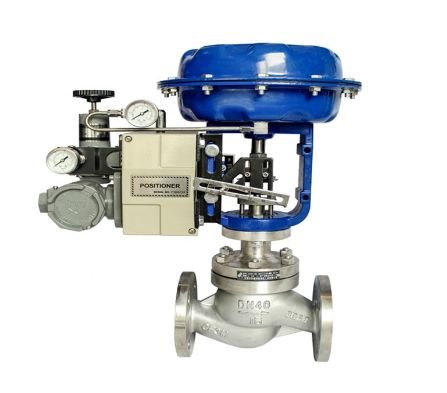
A flanged butterfly valve is a widely used valve designed for secure and stable connections in industrial pipelines. Its flanged ends allow it to be bolted directly to piping systems, ensuring strong sealing and easy installation.
In modern industries, this type of valve is valued for its durability, efficiency, and ability to handle large flow volumes. Whether used in water treatment or energy production, it plays a key role in maintaining system performance.
🔍 What Is a Flanged Butterfly Valve?
Definition and Structure
This valve is a quarter-turn device that uses a rotating disc to control flow. The flanged ends provide a solid connection to pipelines, making it suitable for demanding environments.
Key Components
- Valve body with flanges
- Disc
- Stem
- Seat
- Actuator
👉 Explore related products here:
https://hongonvalve.com/product/flanged-valves/
⚙️ How Does a Flanged Butterfly Valve Work?
Working Principle
The valve operates through a simple rotation:
- Open position allows fluid to pass
- Closed position blocks the flow
Flow Regulation
It can also regulate flow by partially opening the disc, making it suitable for both isolation and throttling.
🧩 Types of Flanged Butterfly Valve
Double Flanged Design
- Strong structure
- Suitable for high-pressure systems
High Performance Type
- Enhanced sealing
- Works under extreme conditions
Metal Seated Type
- Ideal for high temperature applications
- Resistant to wear
👉 Discover more valve solutions:
https://hongonvalve.com/
🧱 Materials Used in Flanged Butterfly Valve
Stainless Steel
Offers excellent corrosion resistance.
Cast Iron
Cost-effective and widely used in water systems.
Carbon Steel
Provides strength for industrial applications.
🌍 Applications in Industrial Systems
Water Treatment
Ensures efficient control of water flow.

Oil and Gas
Used in pipelines and refining systems.
Chemical Processing
Handles corrosive media safely.
Power Plants
Controls cooling and steam systems.
👉 Industry references:
https://www.api.org/
https://www.iso.org/standards.html
✅ Advantages of Flanged Butterfly Valve
- Strong and secure pipeline connection
- Easy installation and removal
- Suitable for large diameter systems
- Reliable sealing performance
- Long service life
⚠️ Limitations and Considerations
- Heavier than wafer-type valves
- Requires proper alignment during installation
- Slightly higher cost
🔄 Comparison with Other Valve Types
| Feature | Flanged Design | Wafer Type |
|---|---|---|
| Installation | Bolted connection | Sandwiched |
| Strength | High | Moderate |
| Cost | Higher | Lower |
| Stability | Better | Standard |
🛠️ How to Choose the Right Valve
Pressure and Temperature
Ensure compatibility with operating conditions.
Connection Standards
- ANSI
- DIN
- JIS
👉 Recommended category:
https://hongonvalve.com/product/flanged-valves/
🔧 Installation and Maintenance Tips
- Align flanges properly
- Use correct gaskets and bolts
- Inspect seals regularly
- Perform routine maintenance
📜 Industry Standards and Certifications
Reliable valves should meet:
- API
- ISO
- ANSI
🚀 Future Trends and Innovations
- Smart valve monitoring
- Automation integration
- Improved sealing materials
- Energy-efficient designs
❓ FAQs
1. What is a flanged butterfly valve used for?
It is used for controlling flow in industrial pipelines.
2. Why choose a flanged connection?
It provides stronger sealing and stability.
3. Is it suitable for high pressure?
Yes, especially double flanged designs.
4. What industries use this valve?
Water treatment, oil & gas, chemical, and power sectors.
5. What materials are commonly used?
Stainless steel, cast iron, and carbon steel.
6. Where can I find reliable options?
Visit:
https://hongonvalve.com/
🏁 Conclusion
The flanged butterfly valve is a dependable choice for industrial systems requiring strong connections and efficient flow control. Its durability and versatility make it suitable for a wide range of applications.
By selecting the right configuration and materials, businesses can improve performance, reduce maintenance costs, and ensure long-term reliability.