
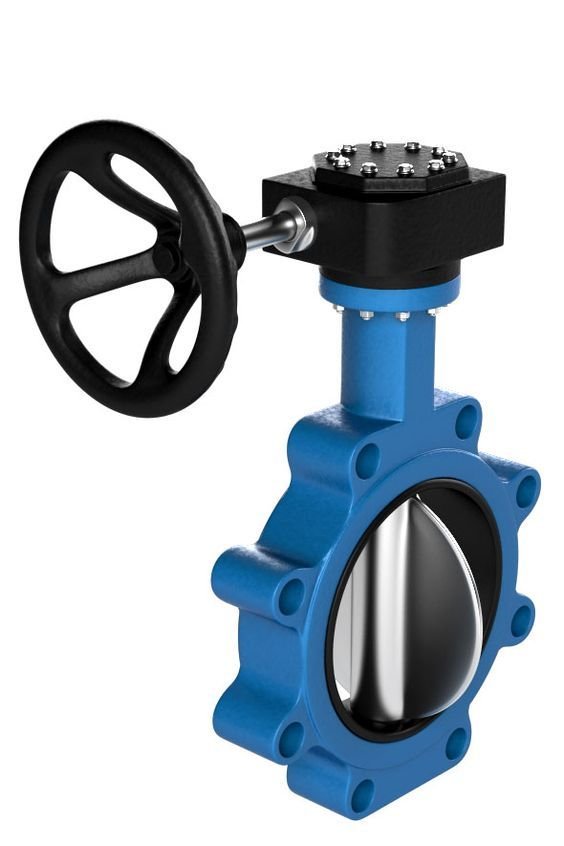
A wafer butterfly valve is a compact and lightweight valve designed to control flow in pipeline systems. Installed between two flanges, it is widely used in industries that require efficient flow regulation while saving space and cost.
The wafer butterfly valve is especially popular in water treatment, HVAC systems, and chemical processing due to its simple design and reliable performance.
🔍 What Is a Wafer Butterfly Valve?
Definition and Structure
This valve is a quarter-turn device that uses a rotating disc to regulate or isolate flow. It is mounted between flanges without additional bolts, making it a space-saving option.
Key Components
- Valve body
- Disc
- Stem
- Seat
- Actuator
👉 Explore valve solutions here:
https://hongonvalve.com/
⚙️ How Does a Wafer Butterfly Valve Work?
Working Principle
The valve operates by rotating the disc:
- Open position: Allows fluid to pass
- Closed position: Stops flow completely
Flow Regulation Mechanism
The disc can be partially opened to regulate flow, making it suitable for throttling applications.
🧩 Types of Wafer Butterfly Valve
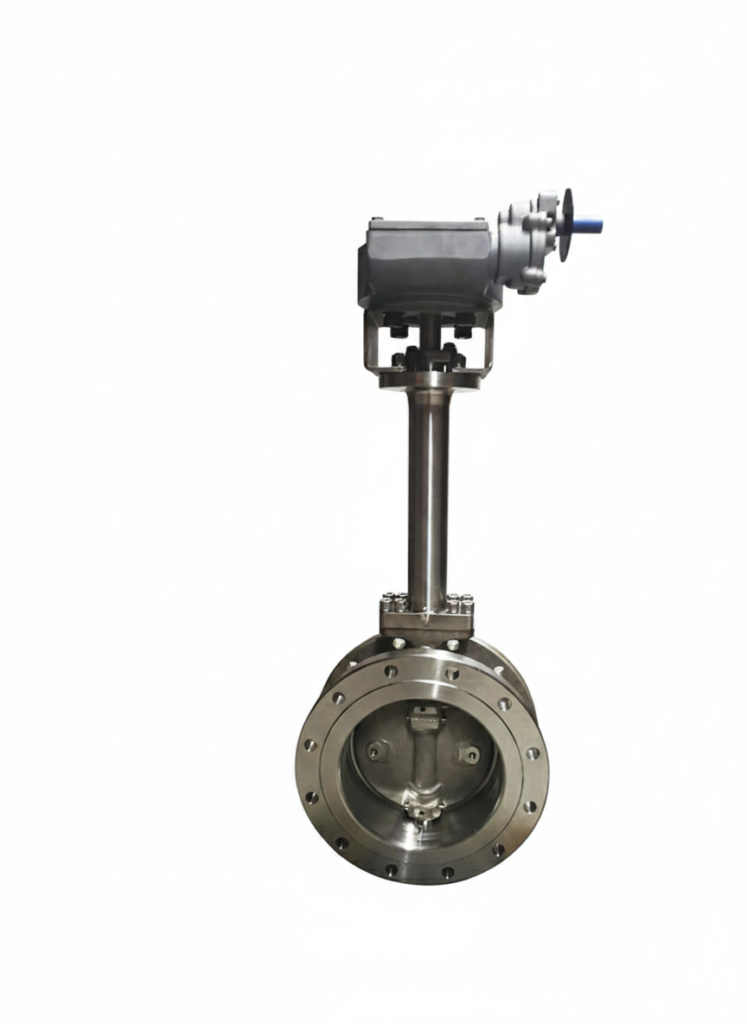
Concentric Type
- Simple design
- Cost-effective
- Suitable for general applications
Double Offset Type
- Reduced friction
- Improved sealing performance
Triple Offset Type
- High performance
- Suitable for high temperature and pressure
👉 Check flanged valve options for comparison:
https://hongonvalve.com/product/flanged-valves/
🧱 Materials Used in Wafer Butterfly Valve
Stainless Steel
Provides corrosion resistance for harsh environments.
Cast Iron
Common in water systems due to cost efficiency.
Seat Materials
- EPDM
- PTFE
- NBR
🌍 Applications of Wafer Butterfly Valve
Water Treatment
Used for regulating water flow in pipelines.
HVAC Systems
Controls airflow and temperature systems.
Chemical Industry
Handles corrosive fluids safely.
Food Processing
Suitable for hygienic applications.
👉 Industry references:
https://www.api.org/
https://www.iso.org/standards.html
✅ Advantages of Wafer Butterfly Valve
- Compact and lightweight
- Cost-effective
- Easy installation
- Low maintenance
- Ideal for limited space
⚠️ Limitations and Considerations
- Not suitable for high-pressure isolation
- Requires proper flange alignment
- Cannot isolate pipeline sections independently
🔄 Wafer Butterfly Valve vs Lug Butterfly Valve
| Feature | Wafer Type | Lug Type |
|---|---|---|
| Installation | Between flanges | Bolted with threads |
| Isolation | No | Yes |
| Cost | Lower | Higher |
| Maintenance | Moderate | Easier |
🛠️ How to Choose the Right Valve
Pressure and Temperature
Ensure compatibility with system conditions.
Installation Space
Ideal for compact systems with limited space.
Compatibility
Check flange standards and pipeline requirements.
👉 Recommended category:
https://hongonvalve.com/product/flanged-valves/
🔧 Installation and Maintenance Tips
- Ensure proper alignment between flanges
- Use correct gaskets
- Inspect seals regularly
- Clean valve periodically
📜 Industry Standards and Certifications
Look for compliance with:
- API
- ISO
- ANSI
🚀 Future Trends
- Smart automation
- IoT-enabled monitoring
- Improved sealing materials
- Energy-efficient designs
❓ FAQs
1. What is a wafer butterfly valve used for?
It is used for flow control in pipelines where space is limited.
2. What is the main advantage?
Compact size and cost efficiency.
3. Can it be used for throttling?
Yes, it allows partial flow regulation.
4. What industries use it?
Water treatment, HVAC, chemical, and food processing.
5. Is it suitable for high pressure?
It is better suited for low to medium pressure systems.
6. Where can I find reliable options?
Visit:
https://hongonvalve.com/
🏁 Conclusion
The wafer butterfly valve is a practical and efficient solution for industries requiring compact and cost-effective flow control. Its simple design and versatility make it a preferred choice for many applications.
By choosing the right type and material, businesses can optimize performance and reduce operational costs.