
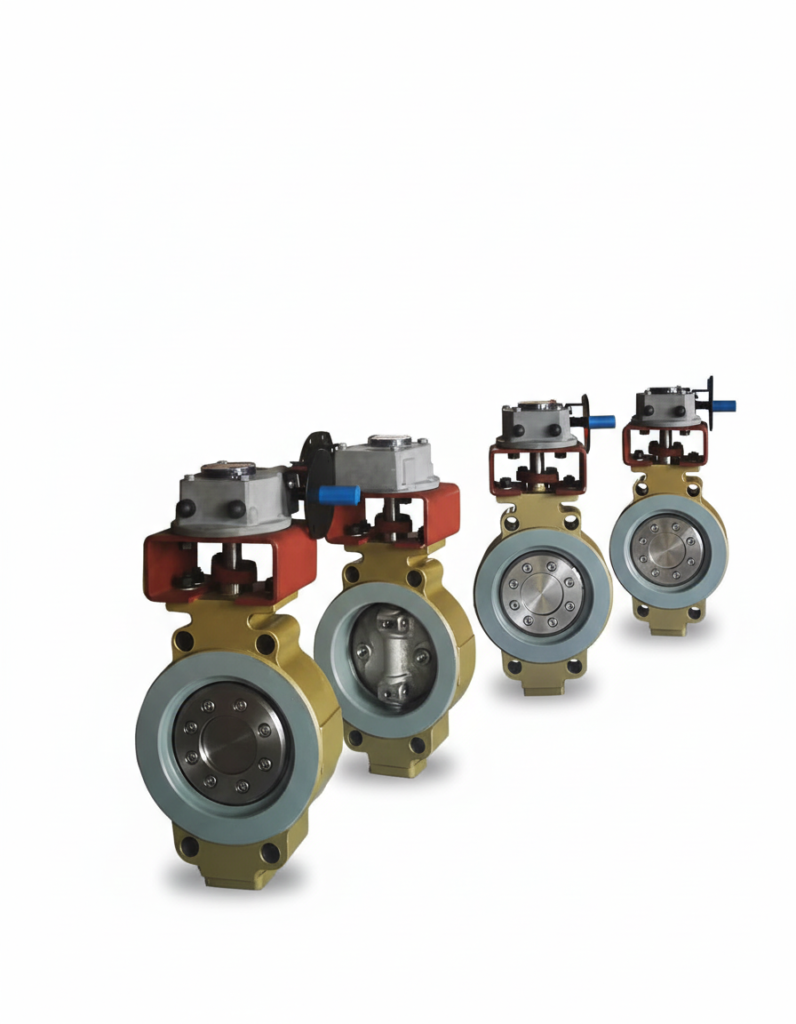
A ductile iron flanged butterfly valve is a reliable industrial valve widely used in water treatment, HVAC systems, fire protection pipelines, and industrial fluid control applications. Its strong ductile iron body and flanged connection design provide durability, stable sealing performance, and easy installation in large pipeline systems.
The ductile iron flanged butterfly valve is popular because it combines high mechanical strength with cost-effective manufacturing, making it suitable for a wide range of industrial environments.
🔍 What Is a Ductile Iron Flanged Butterfly Valve?
Structure and Design
This valve typically consists of:
- Ductile iron valve body
- Rotating valve disc
- Sealing seat
- Flanged pipeline connection
- Manual or automated actuator
The flanged ends allow secure installation between pipeline sections.
Working Principle
The valve controls fluid flow by rotating the disc:
- Open position allows full flow
- Closed position blocks the pipeline
This simple design ensures efficient flow regulation.
👉 Explore industrial valve solutions:
https://hongonvalve.com/
🌏 Key Features of Ductile Iron Flanged Butterfly Valve
High Strength and Durability
Ductile iron offers:
- Excellent mechanical strength
- Good impact resistance
- Long operational lifespan
Reliable Sealing Performance
Modern sealing systems help:
- Prevent leakage
- Improve operational safety
- Maintain stable pressure control
Cost-Effective Construction
Compared with stainless steel valves, ductile iron valves:
- Reduce production costs
- Offer good performance for general applications
- Lower maintenance expenses
🧩 Types of Ductile Iron Flanged Butterfly Valves
Soft Seated Design
- Excellent sealing capability
- Common in water systems
Metal Seated Design
- Suitable for higher temperatures
- Improved wear resistance
Double Offset Valve
- Reduces friction between disc and seat
- Extends service life
Triple Offset Valve
- High sealing performance
- Suitable for demanding industrial applications
👉 View flanged valve products:
https://hongonvalve.com/product/flanged-valves/
🧱 Materials and Components
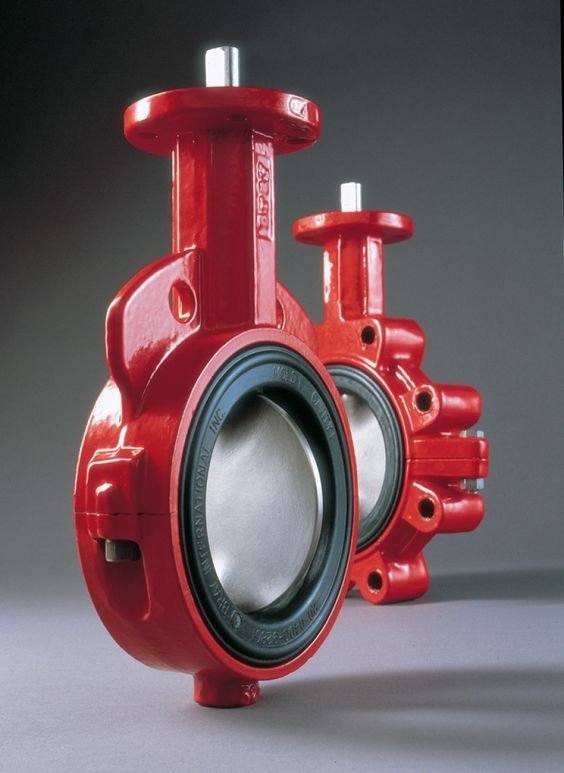
Ductile Iron Body
Provides:
- Structural strength
- Good corrosion resistance with coatings
- Cost efficiency
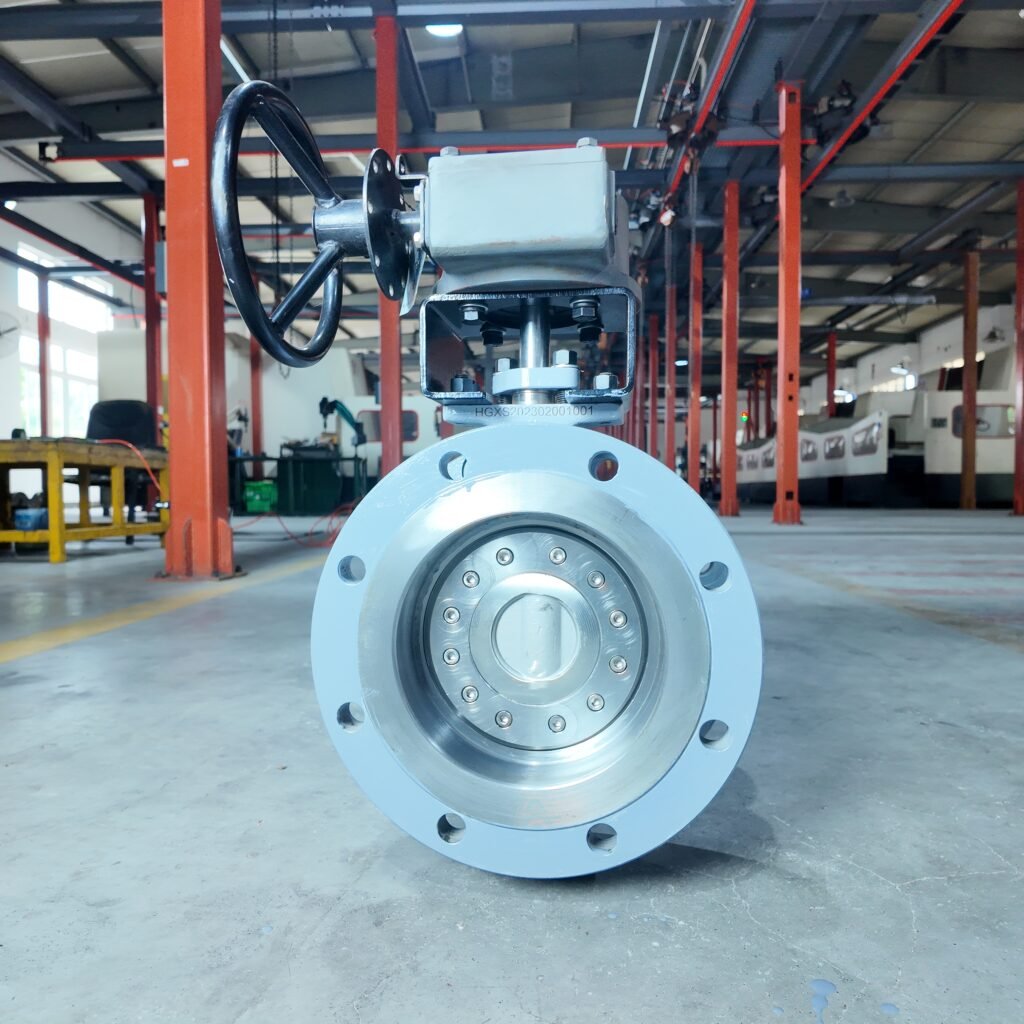
Stainless Steel Disc
Improves:
- Corrosion resistance
- Wear resistance
- Valve durability
EPDM and PTFE Seats
Common seat materials include:
- EPDM for water systems
- PTFE for chemical applications
🌍 Applications of Ductile Iron Flanged Butterfly Valve
Water Treatment Systems
Used in:
- Municipal water supply
- Wastewater treatment
- Filtration systems
HVAC Systems
Controls:
- Heating water circulation
- Cooling systems
- Air conditioning pipelines
Fire Protection Pipelines
Suitable for:
- Fire suppression systems
- Industrial safety pipelines
Industrial Fluid Control
Handles:
- General industrial fluids
- Utility systems
- Low to medium pressure pipelines
👉 Industry references:
https://www.api.org/
https://www.iso.org/standards.html
✅ Advantages of Ductile Iron Flanged Butterfly Valve
Easy Installation
Flanged connections simplify:
- Pipeline assembly
- Valve replacement
- Maintenance operations
Long Service Life
High-quality manufacturing improves:
- Operational reliability
- Wear resistance
- Structural stability
Reduced Maintenance Costs
Simple valve structure reduces:
- Repair frequency
- Spare part requirements
- Operational downtime
🔍 How to Choose the Right Valve
Pressure and Temperature Ratings
Select valves based on:
- Operating pressure
- Temperature conditions
- System requirements
Material Compatibility
Choose materials according to:
- Fluid type
- Corrosion exposure
- Environmental conditions
Flange Standards
Confirm compatibility with standards such as:
- ANSI
- DIN
- JIS
⚙️ Manufacturing and Quality Control
CNC Machining
Precision machining ensures:
- Accurate dimensions
- Smooth valve operation
- Reliable sealing performance
Pressure and Leakage Testing
Manufacturers perform:
- Shell pressure tests
- Seat leakage tests
- Operational inspections
International Certifications
Reliable manufacturers comply with:
- ISO certification
- API standards
- CE certification
⚠️ Common Maintenance Issues and Solutions
| Issue | Solution |
|---|---|
| Leakage | Replace sealing seat |
| Corrosion | Apply protective coatings |
| Difficult operation | Lubricate moving components |
| Installation misalignment | Follow flange installation guidelines |
🚀 Future Trends in Butterfly Valve Manufacturing
Smart Valve Technology
Modern valves now support:
- IoT monitoring systems
- Remote operation
- Predictive maintenance functions
Automation in Manufacturing
Factories are improving:
- Production precision
- Efficiency
- Product consistency
Sustainable Manufacturing
Manufacturers are adopting:
- Eco-friendly materials
- Energy-efficient equipment
- Waste reduction technologies
❓ FAQs
1. What is a ductile iron flanged butterfly valve?
It is a butterfly valve with a ductile iron body and flanged pipeline connection.
2. Where are these valves commonly used?
Water treatment, HVAC, fire protection, and industrial pipelines.
3. What are the benefits of ductile iron?
High strength, durability, and cost efficiency.
4. What seat materials are commonly used?
EPDM and PTFE are common sealing materials.
5. What certifications should manufacturers have?
ISO, API, and CE certifications.
6. Where can I find industrial ductile iron flanged butterfly valves?
Visit:
https://hongonvalve.com/
🏁 Conclusion
A ductile iron flanged butterfly valve is a durable and cost-effective solution for industrial pipeline systems. Its strong construction, reliable sealing performance, and versatile applications make it widely used across water treatment, HVAC, fire protection, and industrial fluid control industries.
By selecting the proper valve materials, pressure ratings, and certified manufacturers, businesses can improve operational efficiency and ensure long-term system reliability.