
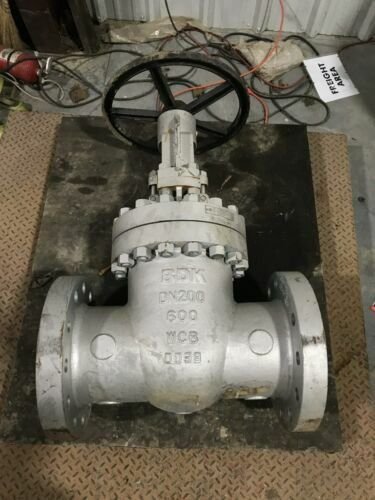
Understanding the PN10 vs PN16 butterfly valve differences is important when selecting the correct valve for industrial pipeline systems. Pressure rating directly affects valve performance, safety, installation compatibility, and long-term operational reliability.
Butterfly valves are widely used in:
- Municipal water systems
- HVAC applications
- Industrial processing plants
- Water treatment facilities
- Chemical industries
Choosing the correct pressure class helps prevent leakage, pressure failure, and unnecessary maintenance costs.
This guide explains the major differences between PN10 and PN16 butterfly valves.
🔍 What Do PN10 and PN16 Mean?
Understanding Pressure Ratings
“PN” stands for:
- Pressure Nominal
- European pressure classification standard
The number indicates the maximum working pressure in bar at standard operating temperatures.
European Pressure Standards
- PN10 = Maximum pressure of 10 bar
- PN16 = Maximum pressure of 16 bar
These ratings are commonly used in industrial valve and flange systems.
👉 Explore industrial valve solutions:
https://hongonvalve.com/
🧩 What Is a PN10 Butterfly Valve?
📉 Pressure Capacity
PN10 butterfly valves are designed for:
- Low to medium pressure systems
- General utility applications
- Municipal water pipelines
🌍 Typical Applications
Commonly used in:
- Water supply systems
- HVAC installations
- Low-pressure industrial systems
⭐ Main Advantages
Benefits include:
- Lower cost
- Lightweight structure
- Easier installation
🏭 What Is a PN16 Butterfly Valve?
📈 Higher Pressure Capability
PN16 butterfly valves support:
- Higher operating pressure
- Stronger structural performance
- More demanding industrial conditions
⚙️ Industrial Applications
Used in:
- Industrial water systems
- Chemical processing plants
- Higher pressure utility pipelines
🔥 Main Advantages
Advantages include:
- Better pressure resistance
- Improved structural strength
- Greater operational reliability
👉 View industrial flanged valve products:
https://hongonvalve.com/product/flanged-valves/
⚖️ PN10 vs PN16 Butterfly Valve Differences
📊 Pressure Rating Comparison
| Valve Type | Maximum Pressure |
|---|---|
| PN10 | 10 bar |
| PN16 | 16 bar |
PN16 valves are designed for higher-pressure systems.
🔩 Flange Thickness Differences
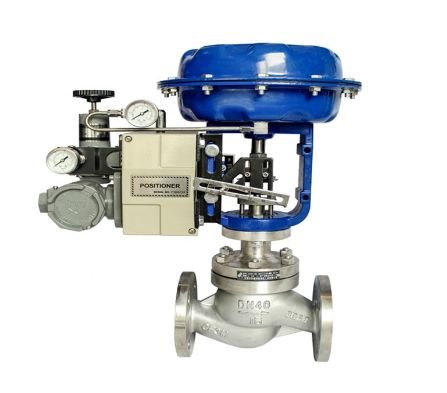
PN16 valves usually feature:
- Thicker flanges
- Stronger body construction
- Higher structural durability
PN10 valves are generally lighter.
🔧 Bolt Hole and Installation Standards
Although some dimensions may appear similar:
- Bolt patterns can differ
- Flange thickness varies
- Installation standards must match pipeline specifications
🏗️ Structural Strength Comparison
PN16 valves are manufactured to:
🌍 Applications of PN10 Butterfly Valves
💧 Municipal Water Systems
Suitable for:
- Water distribution pipelines
- General utility systems
- Low-pressure networks
❄️ HVAC Systems
Used in:
- Heating systems
- Cooling systems
- Air conditioning pipelines
🏢 Low Pressure Pipelines
Common in:
- Commercial buildings
- Utility facilities
- Industrial support systems
🛢️ Applications of PN16 Butterfly Valves
🏭 Industrial Water Systems
Installed in:
- Industrial processing plants
- Water treatment facilities
- Manufacturing systems
⚗️ Chemical Processing Plants
Suitable for:
- Higher pressure applications
- Corrosive fluid systems
- Process control pipelines
🔥 Higher Pressure Industrial Pipelines
PN16 valves are commonly used where:
- Pressure conditions fluctuate
- Operational demands are higher
- System reliability is critical
👉 Industry references:
https://www.api.org/
https://www.iso.org/standards.html
🧱 Materials Used in PN10 and PN16 Valves
🛠️ Ductile Iron
- Durable and economical
- Common in water systems
✨ Stainless Steel
- Corrosion resistant
- Suitable for chemical industries
⚫ Carbon Steel
- High mechanical strength
- Suitable for industrial pressure systems
🔍 How to Choose Between PN10 and PN16
📈 Pressure Requirements
Choose based on:
- System operating pressure
- Safety margins
- Pipeline standards
🌡️ Pipeline Conditions
Consider:
- Temperature conditions
- Pressure fluctuations
- Fluid characteristics
💰 Cost Considerations
PN10 valves:
- Lower manufacturing cost
- More economical for low-pressure systems
PN16 valves:
- Higher structural strength
- Better long-term reliability
⚙️ Manufacturing and Quality Control
CNC Machining
Precision machining improves:
- Product accuracy
- Surface finishing
- Operational reliability
Pressure Testing
Manufacturers conduct:
- Hydrostatic pressure testing
- Seat leakage inspections
- Functional operation testing
International Certifications
Reliable manufacturers comply with:
- ISO standards
- API requirements
- CE regulations
❓ FAQs
1. What does PN10 mean?
PN10 means the valve is rated for a maximum pressure of 10 bar.
2. What does PN16 mean?
PN16 indicates a maximum working pressure of 16 bar.
3. Which valve is stronger, PN10 or PN16?
PN16 valves are designed for higher pressure and stronger structural performance.
4. Can PN10 and PN16 valves use the same flange?
Not always. Installation dimensions and flange thickness may differ.
5. Which industries use PN16 butterfly valves?
Industrial processing, chemical plants, and higher-pressure water systems.
6. Where can I find industrial butterfly valves?
Visit:
https://hongonvalve.com/
🏁 Conclusion
Understanding the PN10 vs PN16 butterfly valve differences helps businesses select the correct pressure-rated valve for safe and efficient pipeline operation. PN10 valves are suitable for lower-pressure systems, while PN16 valves provide stronger structural performance and higher pressure capability for demanding industrial applications.
By evaluating pressure requirements, pipeline conditions, and installation standards, companies can improve operational reliability and reduce long-term maintenance risks.