
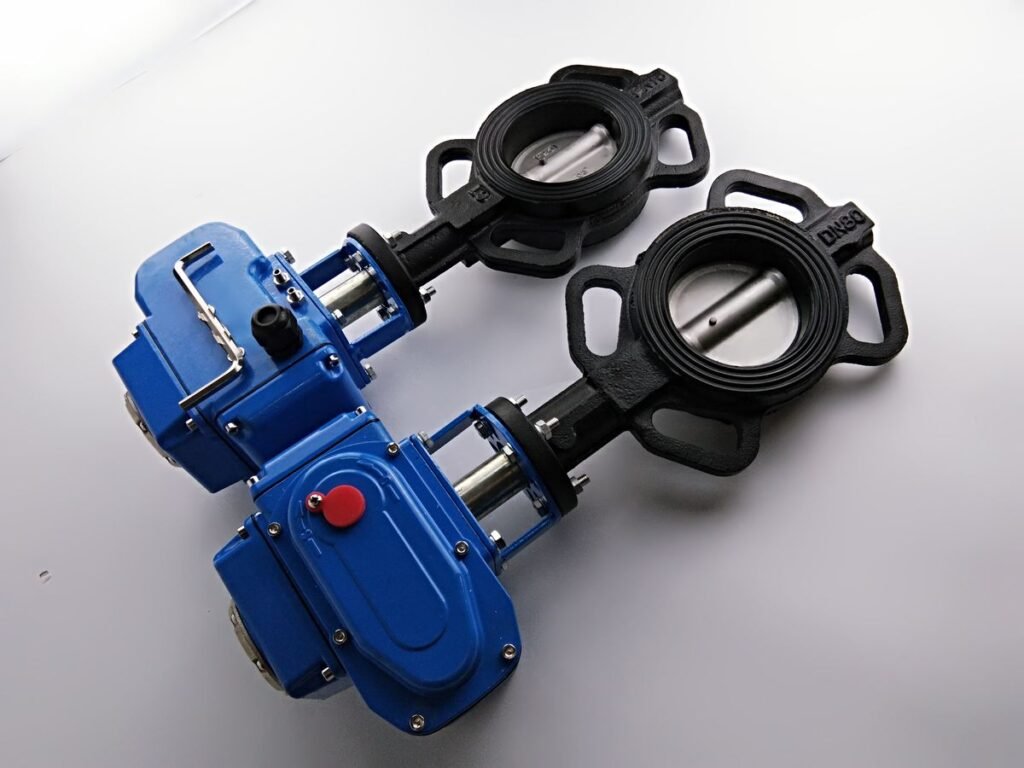
Understanding the differences between flanged vs wafer butterfly valve designs is important for selecting the correct industrial flow control solution. Both valve types are widely used in water treatment systems, HVAC pipelines, oil and gas facilities, chemical processing plants, and industrial utility systems.
Although both valves use a rotating disc to regulate flow, their installation methods, structural strength, pressure capability, and maintenance requirements are different.
Selecting the right butterfly valve type helps improve:
- Pipeline reliability
- Installation efficiency
- Pressure stability
- Long-term operational performance
🔍 What Is a Butterfly Valve?
Basic Valve Structure
A butterfly valve generally includes:
- Valve body
- Rotating disc
- Stem shaft
- Sealing seat
- Manual or automated actuator
The disc rotates to control fluid flow.
Industrial Functions
Butterfly valves are used to:
- Isolate pipelines
- Regulate flow
- Control pressure
- Improve process efficiency
👉 Explore industrial valve solutions:
https://hongonvalve.com/
🧩 What Is a Wafer Butterfly Valve?
⚙️ Structure and Design
A wafer butterfly valve:
- Has a compact body structure
- Fits between two pipeline flanges
- Uses through-bolts for installation
Its lightweight design reduces installation space requirements.
🔧 Installation Method
The valve is:
- Installed between pipe flanges
- Secured by long flange bolts
- Designed for compact pipeline systems
⭐ Main Advantages
Benefits include:
- Lower installation cost
- Lightweight construction
- Easy transportation and handling
👉 View industrial flanged valve products:
https://hongonvalve.com/product/flanged-valves/
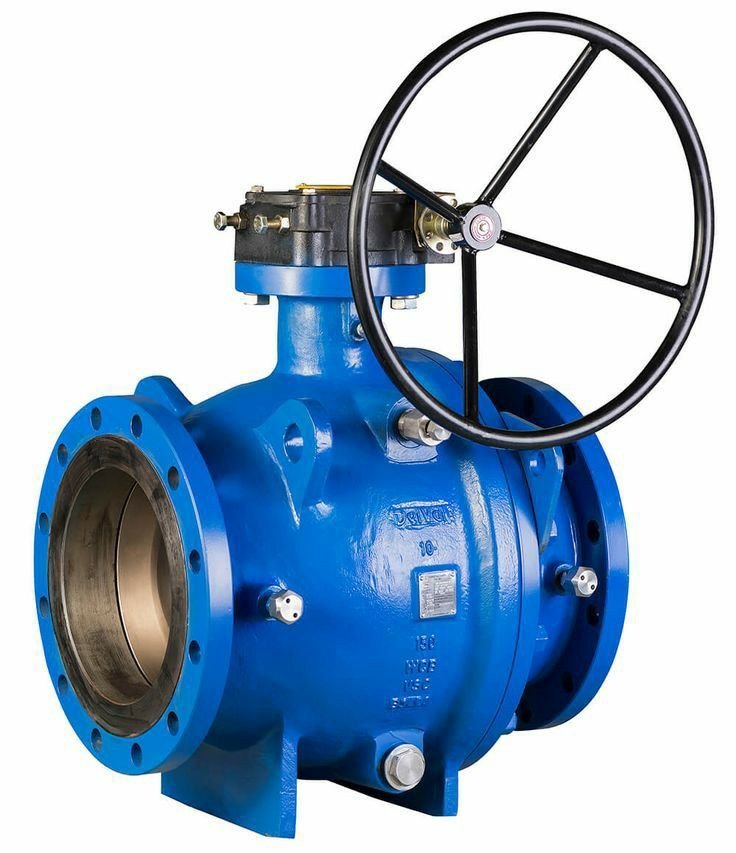
🏭 What Is a Flanged Butterfly Valve?
🔩 Flange-End Connection
A flanged butterfly valve:
- Includes flanges on both ends
- Connects directly to pipe flanges
- Provides stronger structural support
🏗️ Structural Features
The design offers:
- Better alignment stability
- Improved pressure resistance
- Stronger support for large pipelines
📈 Main Advantages
Flanged butterfly valves provide:
- Higher pressure capability
- Better mechanical stability
- Stronger pipeline connection
⚙️ Flanged vs Wafer Butterfly Valve: Key Differences
🔧 Installation Comparison
Wafer Butterfly Valve
- Compact installation
- Requires less space
- Lower installation weight
Flanged Butterfly Valve
- Strong flange-end connection
- Better structural support
- Suitable for large systems
📊 Pressure Capability
Wafer Butterfly Valve
Suitable for:
- Low to medium pressure systems
- Utility applications
Flanged Butterfly Valve
Suitable for:
- Higher pressure systems
- Heavy industrial pipelines
📏 Weight and Space Requirements
Wafer Butterfly Valve
Advantages:
- Lightweight structure
- Reduced transportation cost
- Easier installation
Flanged Butterfly Valve
Requires:
- More installation space
- Stronger structural support
🛠️ Maintenance and Replacement
Wafer Butterfly Valve
- Easier handling
- Faster replacement process
Flanged Butterfly Valve
- Better long-term pipeline stability
- Easier alignment for large systems
💰 Cost Comparison
Wafer Butterfly Valve
Generally:
- Lower manufacturing cost
- More economical for utility systems
Flanged Butterfly Valve
Usually:
- Higher installation strength
- Higher manufacturing cost
- Better for demanding applications
🌍 Applications of Wafer Butterfly Valves
💧 Water Treatment Systems
Used in:
❄️ HVAC Pipelines
Controls:
- Heating systems
- Cooling systems
- Air conditioning systems
🏢 Utility Systems
Suitable for:
- Commercial buildings
- Manufacturing facilities
- Industrial utility operations
🛢️ Applications of Flanged Butterfly Valves
🏭 Oil and Gas Industry
Installed in:
- Refinery systems
- Pipeline transportation
- Industrial utility systems
⚗️ Chemical Processing Plants
Suitable for:
- Corrosive fluid systems
- Industrial chemical pipelines
- High-temperature applications
🌊 Large Industrial Pipelines
Used where:
- Pressure conditions are higher
- Pipeline size is larger
- Structural stability is critical
👉 Industry references:
https://www.api.org/
https://www.iso.org/standards.html
🧱 Materials Used in Butterfly Valves
🛠️ Ductile Iron
- Durable and economical
- Common in water systems
✨ Stainless Steel
- Corrosion resistant
- Suitable for chemical applications
⚫ Carbon Steel
- High mechanical strength
- Suitable for industrial pressure systems
🔍 How to Choose the Right Butterfly Valve
📈 Pressure Requirements
Choose according to:
- System operating pressure
- Pipeline safety requirements
- Industrial standards
🌡️ Pipeline Conditions
Consider:
- Installation space
- Fluid characteristics
- Temperature conditions
💰 Budget and Maintenance
Evaluate:
- Installation costs
- Maintenance requirements
- Long-term operational value
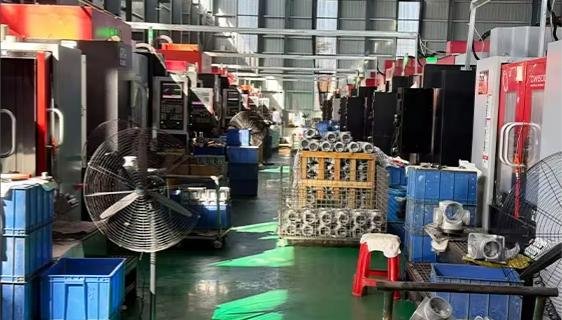
⚙️ Manufacturing and Quality Control
CNC Machining
Precision machining improves:
- Product accuracy
- Surface finishing
- Operational reliability
Pressure Testing
Manufacturers conduct:
- Hydrostatic pressure testing
- Seat leakage inspections
- Functional operation testing
International Certifications
Reliable manufacturers comply with:
- ISO standards
- API requirements
- CE regulations
❓ FAQs
1. What is the main difference between flanged and wafer butterfly valves?
Flanged valves use flange-end connections, while wafer valves fit between pipeline flanges.
2. Which valve is better for high-pressure systems?
Flanged butterfly valves are generally better for higher-pressure applications.
3. Are wafer butterfly valves more economical?
Yes, they are usually lighter and lower in installation cost.
4. Which valve type is easier to install?
Wafer butterfly valves are often easier to install because of their compact structure.
5. What materials are commonly used in butterfly valves?
Ductile iron, stainless steel, and carbon steel.
6. Where can I find industrial butterfly valves?
Visit:
https://hongonvalve.com/
🏁 Conclusion
Understanding the differences between flanged vs wafer butterfly valve designs helps businesses select the most suitable industrial flow control solution for their pipeline systems. Wafer butterfly valves offer compact and cost-effective installation, while flanged butterfly valves provide stronger structural stability and higher pressure capability.
By choosing the correct valve type and working with reliable manufacturers, companies can improve operational efficiency, maintenance performance, and long-term industrial reliability.