
What Is a Double Flanged Butterfly Valve?
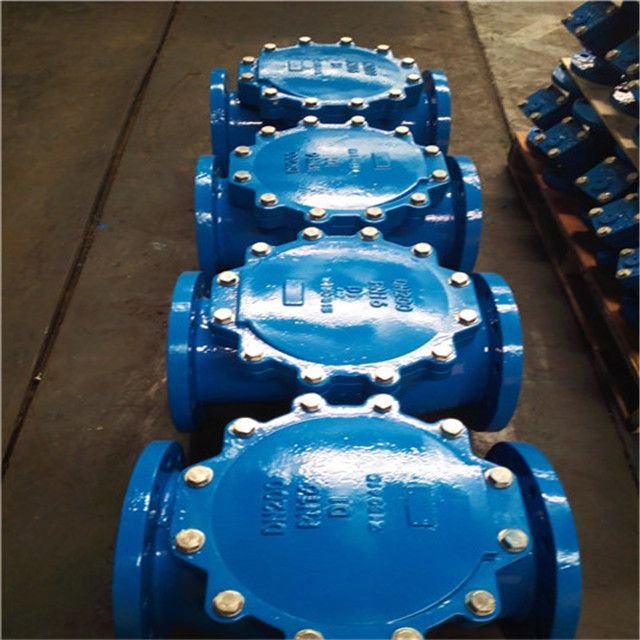
A double flanged butterfly valve is a type of butterfly valve designed with integral flanges on both sides of the valve body. These flanges are bolted directly to pipeline flanges, creating a secure and stable connection for flow control and isolation applications.
Compared with wafer and lug butterfly valves, double flanged designs provide enhanced strength and stability, making them ideal for medium- and large-diameter pipelines.
They are widely used in:
- Water treatment plants
- Wastewater systems
- Oil and gas facilities
- Power generation plants
- HVAC systems
- Industrial processing plants
How Does a Double Flanged Butterfly Valve Work?
The valve operates through a rotating disc mounted on a central shaft.
Working Principle
- When the disc rotates parallel to the flow, the valve is fully open.
- When rotated 90 degrees, the disc blocks the flow path.
- Intermediate positions allow flow regulation.
This simple mechanism enables quick operation with low torque requirements.
Main Components of a Double Flanged Butterfly Valve
Valve Body
The body includes flanges on both sides for direct pipeline connection.
Valve Disc
Controls the flow by rotating within the valve body.
Stem (Shaft)
Transfers motion from the actuator to the disc.
Valve Seat
Provides sealing between the disc and body.
Common seat materials include:
- EPDM
- NBR
- PTFE
Actuator
Can be:
- Manual lever
- Worm gear
- Pneumatic actuator
- Electric actuator
Advantages of Double Flanged Butterfly Valves
Strong Mechanical Connection
Double flanges provide a robust connection suitable for large pipelines.
Easy Installation
The valve can be directly bolted between matching pipe flanges.
Excellent Stability
Suitable for systems with vibration and high flow rates.
Low Pressure Drop
The streamlined disc design minimizes flow resistance.
Cost-Effective
Offers a balance between performance and installation cost.
Long Service Life
Durable construction reduces maintenance requirements.
Types of Double Flanged Butterfly Valves
Resilient Seated Double Flanged Butterfly Valve
Uses a soft seat for bubble-tight sealing.
Features
- Low operating torque
- Excellent sealing performance
- Cost-effective
Applications:
- Water treatment
- HVAC systems
High Performance Double Flanged Butterfly Valve
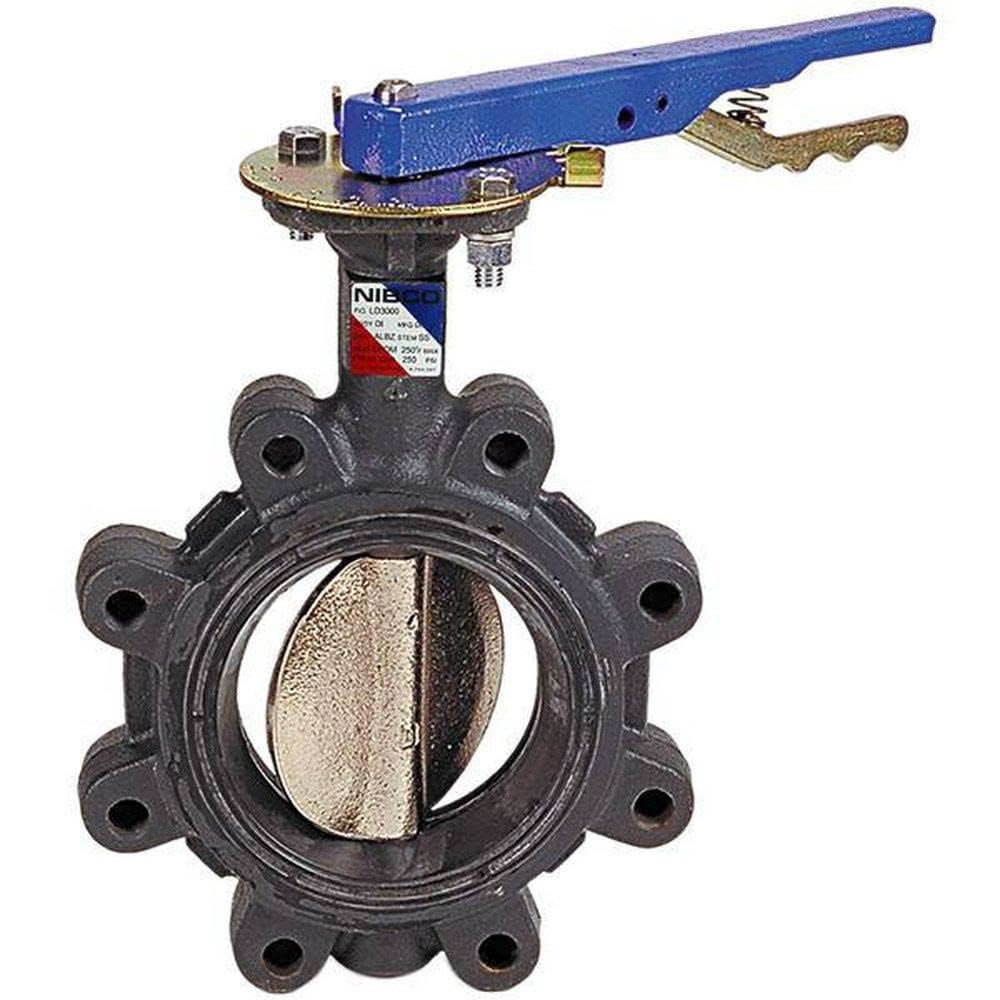
Features a double offset design.
Benefits
- Reduced seat wear
- Better sealing under pressure
- Longer service life
Applications:
- Industrial processing
- Oil and gas systems
Triple Offset Double Flanged Butterfly Valve
Designed for severe service conditions.
Advantages
- Metal-to-metal sealing
- High temperature resistance
- Near-zero leakage
Applications:
- Steam systems
- Power generation plants
Materials Used in Double Flanged Butterfly Valves
Ductile Iron
Most common choice.
Benefits
- High strength
- Excellent durability
- Economical
Applications:
- Water systems
- Municipal infrastructure
Stainless Steel
Common grades:
- SS304
- SS316
- SS316L
Advantages
- Corrosion resistance
- Hygienic properties
Applications:
- Chemical industry
- Food processing
Carbon Steel
Benefits
- High mechanical strength
- Suitable for high-pressure systems
Applications:
- Oil and gas
- Power plants
Special Alloys
Used in demanding environments.
Examples:
- Duplex stainless steel
- Monel
- Hastelloy
Applications of Double Flanged Butterfly Valves
Water Treatment Plants
Used for:
- Water distribution
- Filtration systems
- Pump stations
Wastewater Treatment
Applications include:
- Sludge handling
- Effluent pipelines
- Treatment facilities
Oil and Gas Industry
Used in:
- Pipeline isolation
- Storage facilities
- Refinery systems
Power Generation
Applications:
- Cooling water systems
- Auxiliary pipelines
HVAC Systems
Suitable for:
- Chilled water systems
- Heating networks
Double Flanged Butterfly Valve vs Wafer Butterfly Valve
| Feature | Double Flanged Butterfly Valve | Wafer Butterfly Valve |
|---|---|---|
| Installation | Bolted directly to flanges | Installed between flanges |
| Stability | Higher | Moderate |
| Large Diameter Suitability | Excellent | Good |
| Pressure Resistance | Higher | Lower |
| Maintenance | Easier | Standard |
| Cost | Higher | Lower |
Available Pressure Ratings
Common pressure classes include:
- PN10
- PN16
- PN25
- ANSI Class 150
- ANSI Class 300
The correct rating should be selected based on operating conditions.
Quality Standards and Certifications
Reliable manufacturers follow international standards.
Common Standards
- ISO 9001
- API Standards
- CE Certification
- ANSI / ASME
- DIN
- JIS
Testing Procedures
- Hydrostatic pressure testing
- Seat leakage testing
- Torque testing
- Material inspection
Industry references:
How to Choose the Right Double Flanged Butterfly Valve
Consider Operating Pressure
Ensure the valve pressure rating matches system requirements.
Evaluate Media Compatibility
Select appropriate body and seat materials.
Check Temperature Range
Different seat materials have different temperature limits.
Choose the Right Actuator
Options include:
- Manual
- Electric
- Pneumatic
Verify Certification Requirements
Ensure compliance with project specifications and industry standards.
Frequently Asked Questions
What is a double flanged butterfly valve?
It is a butterfly valve with flanges integrated on both sides of the valve body for direct pipeline connection.
What are the advantages of double flanged butterfly valves?
Strong installation, excellent stability, low pressure drop, and long service life.
Where are double flanged butterfly valves used?
Water treatment, wastewater, oil and gas, HVAC, and power generation systems.
What materials are commonly available?
Ductile iron, stainless steel, carbon steel, and special alloys.
Can double flanged butterfly valves be automated?
Yes. They can be equipped with electric, pneumatic, or hydraulic actuators.
Are double flanged butterfly valves suitable for large pipelines?
Yes. They are particularly suitable for medium and large-diameter pipeline systems.
Conclusion
A double flanged butterfly valve is a dependable and versatile solution for industrial flow control applications. Its strong flange connections, reliable sealing performance, and suitability for large-diameter pipelines make it a preferred choice in water treatment, wastewater management, oil and gas, HVAC, and power generation systems.
By selecting the correct material, pressure rating, and actuation method, users can achieve long-term reliability, efficient operation, and reduced maintenance costs in demanding industrial environments.