
What Is a Lug Butterfly Valve?
A lug butterfly valve is a quarter-turn valve designed with threaded metal inserts, or “lugs,” around the valve body. These lugs allow the valve to be bolted directly to each pipeline flange independently, making it ideal for systems that require end-of-line service or frequent maintenance.
Compared with wafer butterfly valves, lug butterfly valves provide a stronger mechanical connection and allow one side of the pipeline to be disconnected without removing the entire valve.
How Does a Lug Butterfly Valve Work?
A lug butterfly valve operates using a circular disc mounted on a central shaft.
- Open Position: The disc rotates parallel to the flow, allowing media to pass through with minimal pressure loss.
- Closed Position: The disc turns 90 degrees to create a tight seal and stop the flow.
The valve can be operated manually using a lever or gear operator, or automatically with electric or pneumatic actuators.
Key Advantages of Lug Butterfly Valves
A lug butterfly valve offers several important benefits:
- Independent flange bolting
- Suitable for end-of-line service
- Compact and lightweight design
- Quarter-turn operation
- Low operating torque
- Easy installation and maintenance
- Compatible with electric and pneumatic actuators
- Long service life
These features make lug butterfly valves a popular choice for industrial flow control systems.
Common Types of Lug Butterfly Valves
Resilient Seated Lug Butterfly Valve
Uses an elastomer seat, such as EPDM or NBR, to provide bubble-tight sealing.
Applications
- Water treatment
- HVAC systems
- Fire protection
- Wastewater treatment
PTFE Lined Lug Butterfly Valve
Designed for handling corrosive chemicals.
Applications
- Chemical processing
- Acid transfer
- Corrosive fluid systems
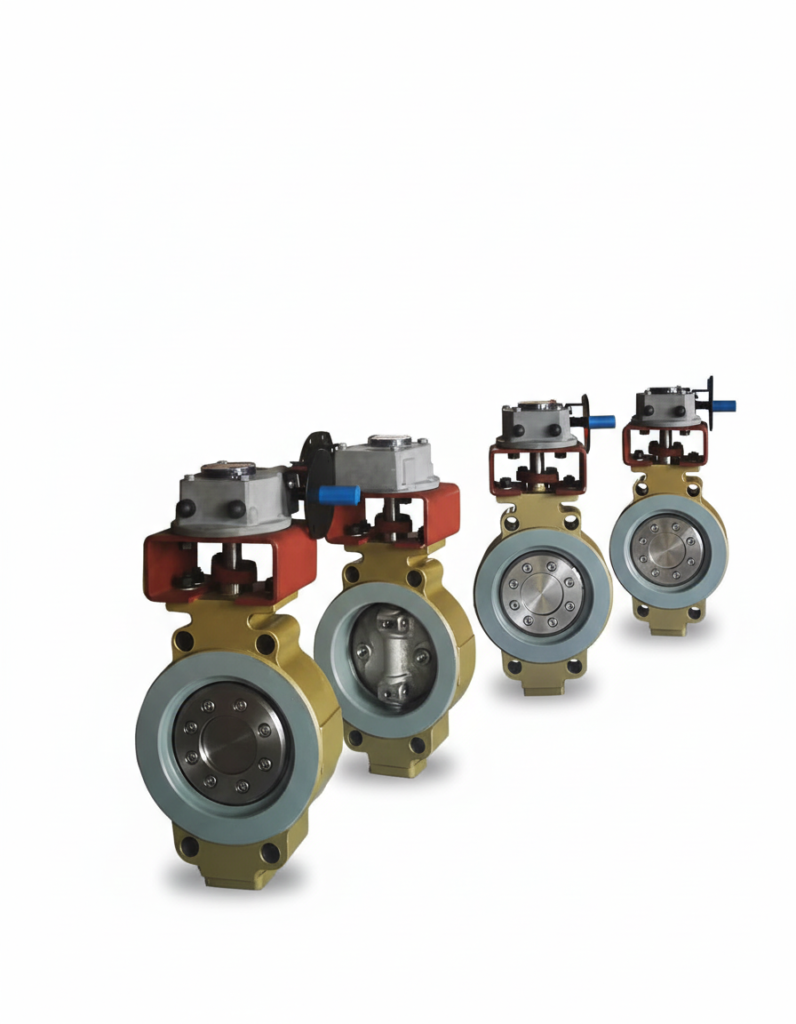
High-Performance Lug Butterfly Valve
Features a double-offset design for improved sealing and reduced seat wear.
Applications
- Oil and gas
- Petrochemical plants
- Industrial processing
Metal Seated Lug Butterfly Valve
Built for high-temperature and high-pressure service.
Applications
- Steam systems
- Power generation
- Mining
- Heavy industrial processes
Materials Used
Selecting suitable materials ensures long-term performance and compatibility with the operating media.
Body Materials
- Ductile Iron
- Carbon Steel
- Stainless Steel
- Cast Steel
Disc Materials
- Stainless Steel 304
- Stainless Steel 316
- Aluminum Bronze
- Duplex Stainless Steel
Seat Materials
| Material | Typical Application |
|---|---|
| EPDM | Water and wastewater |
| NBR | Oil-based media |
| PTFE | Chemical processing |
| Viton | High-temperature fluids |
| Metal Seat | Severe service applications |
Pressure Ratings and Sizes
Lug butterfly valves are available in various sizes and pressure ratings.
Common Sizes
- DN40–DN1200+
- 1½”–48″+
Common Pressure Ratings
- PN10
- PN16
- PN25
- ANSI Class 150
- ANSI Class 300 (selected models)
The correct valve size and pressure class should match the operating conditions of the piping system.
Industrial Applications
Water Treatment
Used for:
- Water distribution
- Filtration systems
- Pump stations
Wastewater Treatment
Installed in:
- Sludge pipelines
- Aeration systems
- Effluent discharge
Chemical Processing
Suitable for:
- Corrosive chemicals
- Process pipelines
- Chemical dosing systems
Oil and Gas
Applications include:
- Utility pipelines
- Storage terminals
- Refinery support systems
HVAC Systems
Commonly used in:
- Chilled water systems
- Heating systems
- Cooling towers
Fire Protection
Installed in:
- Fire sprinkler systems
- Fire water pipelines
- Pump rooms
Manual and Automated Operation
Lug butterfly valves support multiple operating methods:
- Lever handle
- Worm gear operator
- Electric actuator
- Pneumatic actuator
- Hydraulic actuator
Automated operation improves efficiency, enables remote control, and supports integration with industrial automation systems.
Lug Butterfly Valve vs. Wafer Butterfly Valve
| Feature | Lug Butterfly Valve | Wafer Butterfly Valve |
| Installation | Bolted independently to each flange | Clamped between flanges |
| End-of-Line Service | Supported | Generally not recommended |
| Maintenance | Easier pipeline isolation | Requires loosening both flanges |
| Mechanical Strength | Higher | Moderate |
| Cost | Slightly higher | More economical |
How to Choose the Right Lug Butterfly Valve
When selecting a lug butterfly valve, consider:
- Pipeline diameter
- Operating pressure
- Temperature range
- Media compatibility
- Body and seat materials
- Manual or automated operation
- Applicable industry standards
Proper selection improves system reliability and extends valve service life.
Quality Standards and Certifications
Reliable lug butterfly valves are manufactured in accordance with international standards, including:
- ISO 9001
- EN 593
- API 609
- CE Certification
- ANSI / ASME
- DIN
- JIS
These standards ensure product quality, safety, and performance across industrial applications.
Frequently Asked Questions
What is a lug butterfly valve?
A lug butterfly valve is a butterfly valve with threaded lugs that allow independent bolting to each pipeline flange, making it suitable for end-of-line service.
What are the advantages of lug butterfly valves?
They provide stronger installation, easier maintenance, end-of-line capability, and compatibility with automated actuators.
What is the difference between lug and wafer butterfly valves?
Lug valves use threaded inserts for independent flange connection, while wafer valves are installed between flanges using long bolts.
Which industries use lug butterfly valves?
Water treatment, wastewater treatment, HVAC, oil and gas, chemical processing, fire protection, and general industrial applications.
Can lug butterfly valves be automated?
Yes. They can be fitted with electric, pneumatic, or hydraulic actuators for automated operation.
How do I choose the correct lug butterfly valve?
Evaluate the pipeline size, operating pressure, media, temperature, valve materials, and required industry standards before selecting a valve.
Conclusion
A lug butterfly valve is a reliable and versatile solution for industrial flow control, offering secure installation, excellent sealing performance, and simplified maintenance. Its ability to support end-of-line service, combined with compatibility with manual and automated operation, makes it ideal for water treatment, HVAC, chemical processing, oil and gas, fire protection, and many other industrial applications.
By selecting the appropriate valve size, materials, pressure rating, and actuator, businesses can improve system efficiency, reduce maintenance costs, and achieve dependable long-term performance.