
d
- Stainless Steel 304
- Stainless Steel 316
- Duplex Stainless Steel
- Alloy Steel
Seat Materials
| Seat Material | Typical Application |
|---|---|
| Stainless Steel | General industrial service |
| Stellite Overlay | High-temperature environments |
| Inconel | Corrosive and elevated-temperature service |
| Laminated Metal Seat | Zero-leakage severe service |
Pressure Ratings and Sizes
Metal seated butterfly valves are available in a broad range of sizes and pressure classes.
Common Sizes
- DN50–DN2000+
- 2″–80″+
Common Pressure Ratings
- PN16
- PN25
- PN40
- ANSI Class 150
- ANSI Class 300
- ANSI Class 600
- ANSI Class 900 (selected models)
Always select the valve according to the process requirements and applicable design standards.
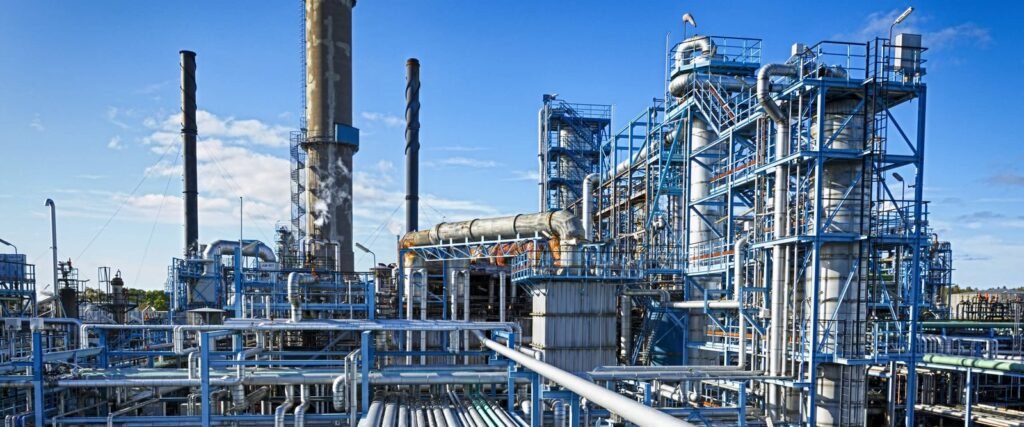
Industrial Applications
Oil and Gas
Used in:
- Pipeline transportation
- Refineries
- Offshore platforms
- Storage terminals
Power Generation
Installed in:
- Steam systems
- Boiler isolation
- Cooling water circuits
Chemical Processing
Suitable for:
- Corrosive chemicals
- High-temperature process lines
- Utility systems
Mining
Commonly used in:
Marine Engineering
Applications include:
- Ballast systems
- Cooling water systems
- Offshore vessels
Industrial Manufacturing
Used for:
- High-temperature production lines
- Utility services
- Process isolation
Metal Seated vs. Soft Seal Butterfly Valve
| Feature | Metal Seated | Soft Seal |
| Sealing Type | Metal-to-metal | Elastomer seat |
| Temperature Capability | Very High | Moderate |
| Pressure Capability | High | Low to Medium |
| Wear Resistance | Excellent | Moderate |
| Service Life | Longer in severe service | Longer in clean media |
| Typical Applications | Steam, oil & gas, power | Water, HVAC, wastewater |
Manual and Automated Operation
Metal seated butterfly valves can be operated using:
- Worm gear operator
- Electric actuator
- Pneumatic actuator
- Hydraulic actuator
Automated operation enables precise flow control, remote monitoring, and integration into industrial automation systems.
How to Choose the Right Metal Seated Butterfly Valve
When selecting a metal seated butterfly valve, consider:
- Pipeline diameter
- Operating pressure
- Temperature range
- Media characteristics
- Body and seat materials
- Leakage requirements
- Manual or automated operation
- Applicable industry standards
Proper valve selection improves operational reliability and reduces maintenance costs.
Quality Standards and Certifications
Reliable metal seated butterfly valves are manufactured according to internationally recognized standards, including:
- ISO 9001
- API 609
- API 598
- CE Certification
- EN 593
- ANSI / ASME
- DIN
- JIS
Compliance with these standards helps ensure consistent quality, safety, and long-term performance.
Frequently Asked Questions
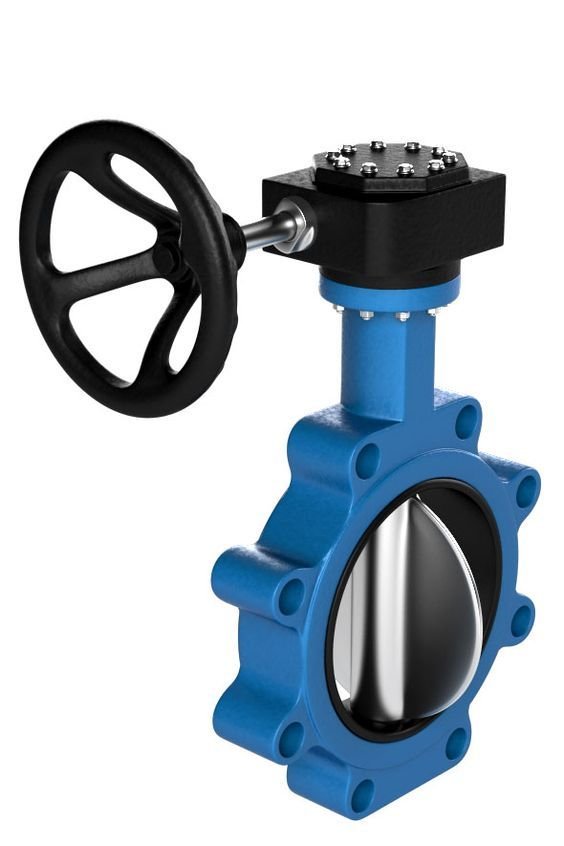
What is a metal seated butterfly valve?
A metal seated butterfly valve uses a precision-engineered metal seat instead of a resilient seat, making it suitable for high-temperature, high-pressure, and severe service applications.
What are the advantages of metal seated butterfly valves?
They provide superior wear resistance, long service life, excellent high-temperature performance, and reliable sealing under demanding operating conditions.
Which industries use metal seated butterfly valves?
Oil and gas, petrochemical, chemical processing, power generation, mining, marine engineering, and heavy industrial manufacturing.
Can metal seated butterfly valves be automated?
Yes. They are compatible with electric, pneumatic, and hydraulic actuators.
How does a metal seated butterfly valve differ from a soft seal butterfly valve?
Metal seated valves use metal-to-metal sealing for severe service, while soft seal valves use elastomer seats for bubble-tight sealing in lower-temperature and lower-pressure applications.
What materials are commonly used?
Carbon steel, stainless steel, duplex stainless steel, alloy steel, Stellite, Inconel, and laminated metal seats are common choices.
Conclusion
A metal seated butterfly valve is an excellent solution for severe industrial applications where high temperatures, elevated pressures, and abrasive or corrosive media demand exceptional durability and dependable performance. Its robust metal-to-metal sealing system, combined with advanced double-offset or triple-offset designs, delivers reliable operation, reduced maintenance, and an extended service life.
Whether used in oil and gas facilities, power plants, petrochemical complexes, mining operations, or marine systems, selecting the appropriate metal seated butterfly valve helps improve safety, optimize process efficiency, and ensure long-term operational reliability.