
What Is the Price of a Wafer Butterfly Valve?
The wafer butterfly valve price varies depending on several factors, including valve size, body material, seat material, pressure rating, actuator type, and manufacturing quality. Wafer butterfly valves are among the most economical industrial valves because of their lightweight design, compact construction, and simple installation.
Whether you are purchasing a single valve or sourcing large quantities for industrial projects, understanding the factors that influence pricing helps you make a cost-effective purchasing decision.
Average Wafer Butterfly Valve Price
The following table provides a general price reference. Actual prices vary depending on specifications, certifications, order quantity, and manufacturer.
| Valve Type | Estimated Price (USD) |
|---|---|
| Manual Wafer Butterfly Valve | $15–$80 |
| Ductile Iron Wafer Butterfly Valve | $20–$120 |
| Stainless Steel Wafer Butterfly Valve | $60–$350 |
| PTFE Lined Wafer Butterfly Valve | $120–$500 |
| High Performance Wafer Butterfly Valve | $180–$900 |
| Metal Seated Wafer Butterfly Valve | $250–$1,500+ |
| Electric Actuated Wafer Butterfly Valve | $250–$2,000+ |
| Pneumatic Wafer Butterfly Valve | $180–$1,500+ |
Prices are for reference only and may vary based on market conditions, valve size, pressure class, and supplier.
Factors That Affect Wafer Butterfly Valve Price
Several factors influence the wafer butterfly valve price.
Valve Size
Larger valves require more raw materials and machining, resulting in higher prices.
Typical sizes include:
- DN50
- DN80
- DN100
- DN150
- DN200
- DN300
- DN600
- DN1000+
Body Material
Material selection significantly impacts manufacturing costs.
| Body Material | Relative Cost |
| Ductile Iron | Low |
| Carbon Steel | Medium |
| Stainless Steel 304 | Medium to High |
| Stainless Steel 316 | High |
| Duplex Stainless Steel | Premium |
Seat Material
Different seat materials are designed for specific operating conditions.
| Seat Material | Typical Application |
| EPDM | Water treatment |
| NBR | Oil-based media |
| PTFE | Chemical processing |
| Viton | High-temperature fluids |
| Metal Seat | Severe service |
Premium seat materials generally increase the overall valve price.
Pressure Rating
Higher pressure ratings require stronger valve bodies and more precise manufacturing.
Common pressure classes include:
- PN10
- PN16
- PN25
- PN40
- ANSI Class 150
- ANSI Class 300
Higher pressure valves are typically more expensive.
Actuator Type
Manual valves are the most affordable option, while automated valves require additional components.
Available operating methods include:
- Lever handle
- Worm gear operator
- Pneumatic actuator
- Electric actuator
- Hydraulic actuator
Automation increases the overall system cost but improves efficiency and process control.
Industrial Applications
Wafer butterfly valves are widely used across many industries.
Water Treatment
Applications include:
- Water supply systems
- Filtration plants
- Pump stations
HVAC Systems
Used in:
- Chilled water systems
- Heating networks
- Cooling towers
Chemical Processing
Suitable for:
- Corrosive media
- Utility pipelines
- Process control
Oil and Gas
Installed in:
- Refineries
- Pipeline systems
- Storage facilities
Food and Beverage
Commonly used for:
- Process water
- Cleaning systems
- Utility services
How to Reduce Wafer Butterfly Valve Costs
To optimize your investment:
- Purchase directly from manufacturers
- Order in bulk to obtain volume discounts
- Select materials appropriate for the application instead of over-specifying
- Standardize valve sizes across projects
- Choose manual operation when automation is not required
- Compare quotations from experienced suppliers
Balancing performance requirements with project budgets helps achieve the best value.
Why Buy Directly from a Manufacturer?
Purchasing from a factory offers several advantages:
- Competitive factory pricing
- Stable product quality
- OEM and private label services
- Faster production schedules
- Technical engineering support
- Customized valve solutions
- Reliable after-sales service
For distributors and contractors, factory-direct sourcing can reduce procurement costs and improve supply chain efficiency.
Quality Standards and Certifications
Reliable wafer butterfly valves should comply with recognized international standards, including:
- ISO 9001
- API 609
- API 598
- EN 593
- CE Certification
- ANSI / ASME
- DIN
- JIS
Compliance with these standards helps ensure quality, safety, and long-term reliability.
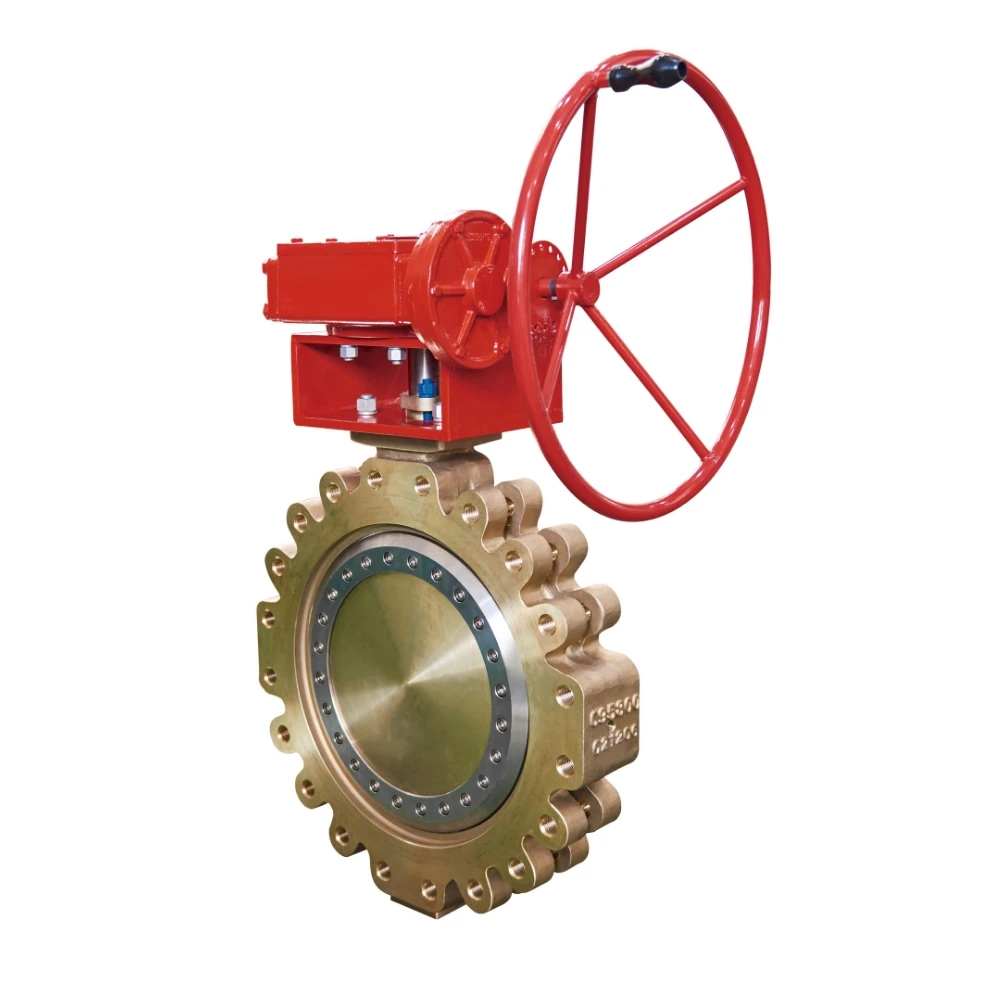
How to Choose the Best Wafer Butterfly Valve
When comparing products, consider:
- Pipeline size
- Operating pressure
- Temperature range
- Media compatibility
- Valve body material
- Seat material
- Manual or automated operation
- Quality certifications
- Manufacturer reputation
- Total lifecycle cost instead of purchase price alone
Choosing the correct valve improves system reliability and minimizes long-term maintenance expenses.
Frequently Asked Questions
How much does a wafer butterfly valve cost?
Prices typically range from $15 to over $2,000, depending on size, material, pressure rating, and actuator configuration.
Why are stainless steel wafer butterfly valves more expensive?
Stainless steel offers superior corrosion resistance, durability, and suitability for demanding industrial environments, resulting in higher manufacturing costs.
Does valve size affect the price?
Yes. Larger valves require more materials and machining, making them more expensive than smaller models.
Are automated wafer butterfly valves more costly?
Yes. Electric and pneumatic actuators increase the purchase price but improve operational efficiency and remote control capabilities.
Can I reduce costs by ordering in bulk?
Yes. Most manufacturers offer discounted pricing for large-volume orders and long-term supply agreements.
What should I consider besides price?
Evaluate quality, certifications, material selection, warranty, technical support, and the supplier’s manufacturing experience to ensure the best long-term value.
Conclusion
The wafer butterfly valve price depends on multiple factors, including valve size, body and seat materials, pressure rating, actuator type, and manufacturing quality. While low-cost valves may be suitable for basic applications, investing in a high-quality valve from a reputable manufacturer often reduces maintenance costs and extends service life.
For industrial buyers, selecting the right balance between price, performance, and reliability ensures long-term value and dependable operation across water treatment, HVAC, oil and gas, chemical processing, food production, and other industrial applications.