
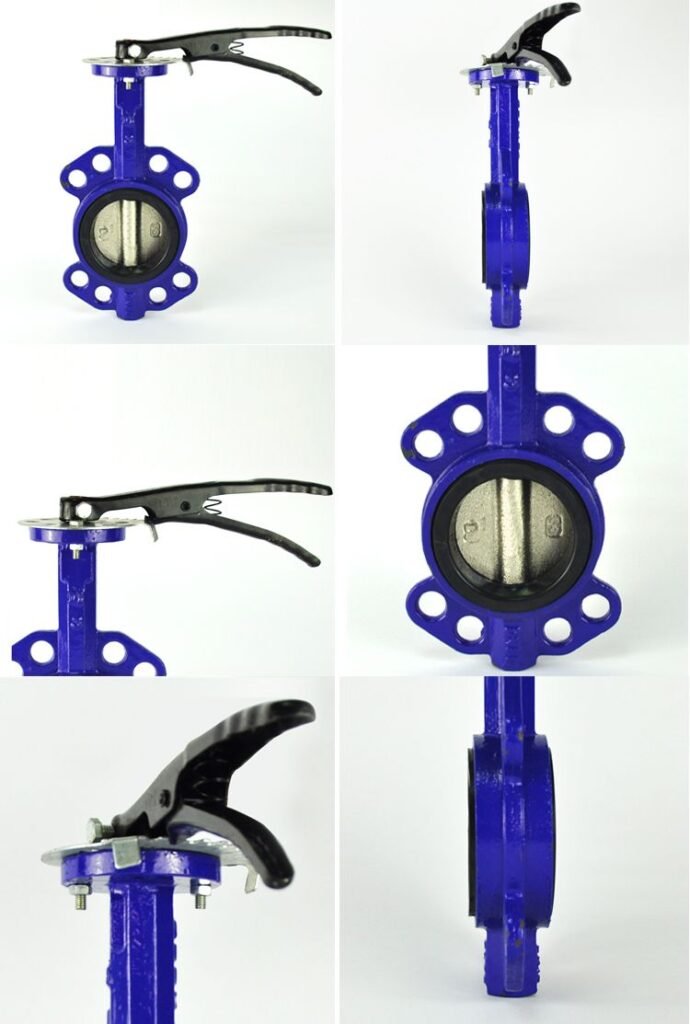
What Is a Corrosion Resistant Butterfly Valve?
A corrosion resistant butterfly valve is a specially engineered quarter-turn valve designed to withstand corrosive liquids, gases, and harsh industrial environments. These valves are manufactured using corrosion-resistant materials such as stainless steel, duplex stainless steel, PTFE, and high-performance alloys, ensuring long service life and reliable operation in aggressive media.
Corrosion resistant butterfly valves are widely used in chemical processing, water treatment, desalination, marine engineering, pharmaceuticals, food processing, mining, and oil and gas industries where resistance to corrosion is critical.
How Does a Corrosion Resistant Butterfly Valve Work?
A corrosion resistant butterfly valve operates using a rotating disc mounted on a shaft.
- Open Position: The disc rotates parallel to the pipeline, allowing fluid to flow with minimal resistance.
- Closed Position: The disc rotates 90 degrees and seals tightly against the valve seat to isolate the pipeline.
Advanced corrosion-resistant materials protect the valve body, disc, stem, and seat from chemical attack, extending service life and reducing maintenance.
Key Advantages of Corrosion Resistant Butterfly Valves
A corrosion resistant butterfly valve offers numerous benefits:
- Excellent resistance to corrosive chemicals
- Long service life
- Reduced maintenance costs
- Reliable sealing performance
- Suitable for aggressive process media
- Lightweight and compact design
- Low operating torque
- Compatible with manual and automated operation
- Improved process safety
- Cost-effective long-term operation
These advantages make corrosion resistant butterfly valves ideal for demanding industrial environments.
Common Types of Corrosion Resistant Butterfly Valves
Stainless Steel Butterfly Valve
Provides excellent corrosion resistance for water, chemicals, and food processing.
Applications
- Water treatment
- Food and beverage
- Pharmaceutical production
PTFE Lined Butterfly Valve
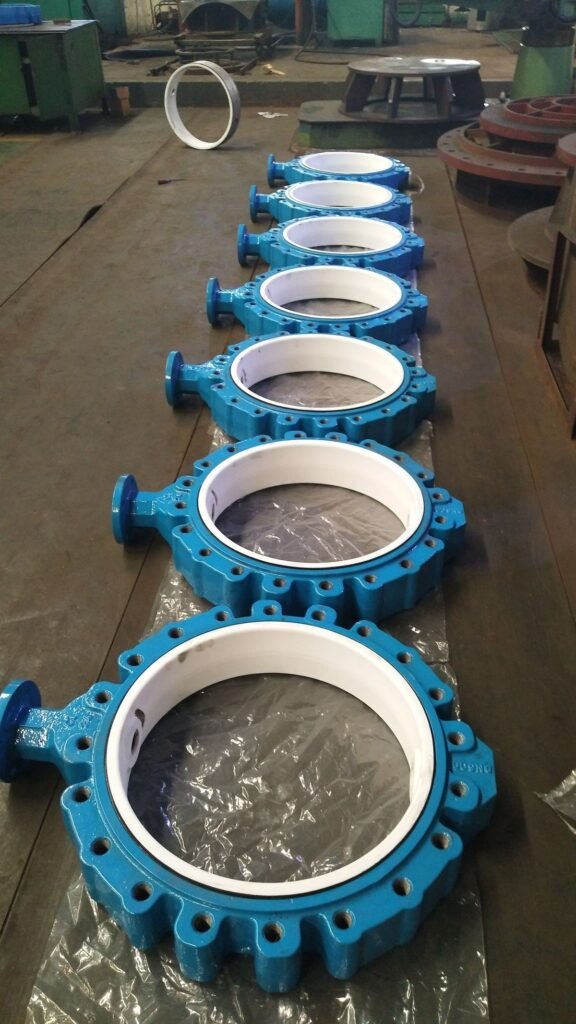
Features a PTFE lining that protects the valve against highly corrosive chemicals.
Applications
- Acid handling
- Alkali processing
- Chemical plants
Duplex Stainless Steel Butterfly Valve
Offers superior corrosion resistance and high mechanical strength.
Applications
- Offshore platforms
- Desalination plants
- Marine engineering
High Performance Butterfly Valve
Designed for higher pressures and demanding chemical applications.
Applications
- Petrochemical processing
- Industrial manufacturing
- Utility systems
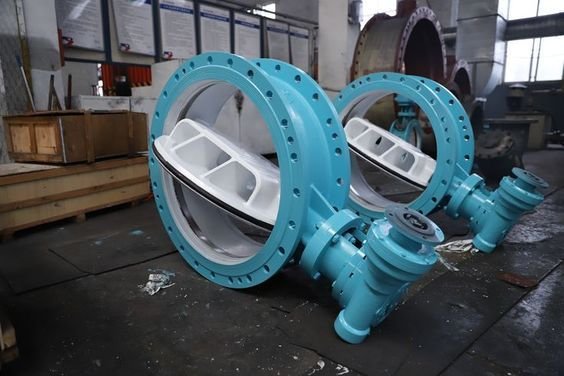
Materials Used
Selecting the correct material is essential for corrosion resistance.
Body Materials
- Stainless Steel 304
- Stainless Steel 316
- Duplex Stainless Steel
- Super Duplex Stainless Steel
- Carbon Steel with Protective Coating
Disc Materials
- Stainless Steel 316
- Duplex Stainless Steel
- Aluminum Bronze
- Hastelloy (special applications)
Seat Materials
| Seat Material | Typical Application |
|---|---|
| PTFE | Strong acids and chemicals |
| RPTFE | High-cycle chemical service |
| EPDM | Water and wastewater |
| Viton | High-temperature chemicals |
| PFA | Highly corrosive media |
Pressure Ratings and Sizes
Corrosion resistant butterfly valves are available in multiple sizes and pressure classes.
Common Sizes
- DN40–DN2000+
- 1½”–80″+
Common Pressure Ratings
- PN10
- PN16
- PN25
- PN40
- ANSI Class 150
- ANSI Class 300
Always select the pressure rating according to the operating conditions of the system.
Industrial Applications
Chemical Processing
Used in:
- Acid transfer systems
- Alkali handling
- Chemical pipelines
Water Treatment
Installed in:
- Water purification
- Desalination plants
- Wastewater treatment
Marine Engineering
Suitable for:
- Seawater systems
- Ballast systems
- Offshore platforms
Oil and Gas
Applications include:
- Chemical injection systems
- Offshore processing
- Corrosive fluid handling
Food and Beverage
Commonly used for:
- Process water
- Cleaning systems
- Hygienic production lines
Pharmaceutical Industry
Installed in:
- Purified water systems
- Chemical dosing
- Sanitary processing equipment
Manual and Automated Operation
Corrosion resistant butterfly valves support various operating methods:
- Lever handle
- Worm gear operator
- Electric actuator
- Pneumatic actuator
- Hydraulic actuator
Automation improves process efficiency and allows remote monitoring in modern industrial facilities.
How to Choose the Right Corrosion Resistant Butterfly Valve
When selecting a corrosion resistant butterfly valve, consider:
- Type of process media
- Chemical concentration
- Operating temperature
- Working pressure
- Valve body material
- Disc material
- Seat material
- Required certifications
- Manual or automated operation
Proper material selection is essential to maximize valve life and reduce maintenance costs.
Quality Standards and Certifications
Reliable corrosion resistant butterfly valves are manufactured according to internationally recognized standards, including:
- ISO 9001
- API 609
- API 598
- EN 593
- CE Certification
- ANSI / ASME
- DIN
- JIS
- PED (Pressure Equipment Directive)
These standards help ensure product quality, safety, and reliable long-term performance.
Benefits of Purchasing from an Experienced Manufacturer
A professional manufacturer provides:
- High-quality corrosion-resistant materials
- Precision CNC machining
- Comprehensive pressure testing
- OEM and ODM services
- Custom engineering solutions
- International certifications
- Technical support
- Global export experience
Partnering with an experienced supplier ensures dependable products and long-term operational value.
Frequently Asked Questions
What is a corrosion resistant butterfly valve?
A corrosion resistant butterfly valve is designed with specialized materials or protective linings to resist chemical attack and corrosion in demanding industrial environments.
Which materials provide the best corrosion resistance?
Stainless steel 316, duplex stainless steel, super duplex stainless steel, PTFE, PFA, and Hastelloy are commonly used for excellent corrosion resistance.
Which industries use corrosion resistant butterfly valves?
Chemical processing, water treatment, desalination, marine engineering, oil and gas, pharmaceuticals, and food processing.
Can corrosion resistant butterfly valves be automated?
Yes. They are compatible with electric, pneumatic, hydraulic, and gear-operated actuators.
What is the difference between stainless steel and PTFE-lined butterfly valves?
Stainless steel valves rely on corrosion-resistant metal alloys, while PTFE-lined valves provide an additional protective barrier for handling highly aggressive chemicals.
How do I choose the correct valve?
Select the valve based on media compatibility, operating pressure, temperature, valve materials, sealing requirements, and applicable industry standards.
Conclusion
A corrosion resistant butterfly valve is an essential solution for industries handling aggressive chemicals, seawater, corrosive gases, and other challenging process media. By combining corrosion-resistant materials, advanced sealing technology, and precision manufacturing, these valves deliver dependable performance, reduced maintenance, and extended service life.
Whether used in chemical processing, water treatment, marine engineering, pharmaceuticals, oil and gas, or food production, choosing the right corrosion resistant butterfly valve helps improve process reliability, enhance safety, and reduce the total cost of ownership over the life of the system.