
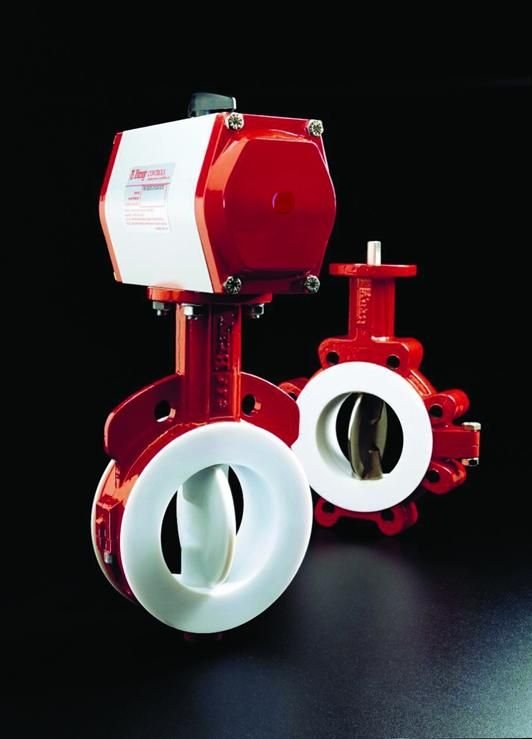
What Is an NBR Seated Butterfly Valve?
An NBR seated butterfly valve is a quarter-turn valve equipped with an NBR (Nitrile Butadiene Rubber) seat that provides reliable sealing for pipelines carrying oil, fuel, compressed air, and other petroleum-based media. NBR is well known for its excellent resistance to oils, greases, and hydrocarbons, making it one of the most popular elastomer materials for industrial butterfly valves.
NBR seated butterfly valves are available in wafer, lug, and flanged butterfly valve designs, allowing users to select the most suitable connection type based on pipeline requirements and operating conditions.
How Does an NBR Seated Butterfly Valve Work?
An NBR seated butterfly valve controls fluid flow through a rotating disc mounted on a central shaft.
- Open Position: The disc rotates parallel to the flow, allowing maximum flow with minimal pressure loss.
- Closed Position: The disc rotates 90 degrees and compresses against the NBR seat, creating a dependable leak-tight seal.
The elasticity of the NBR seat helps maintain sealing performance during repeated opening and closing cycles while reducing operating torque.
Advantages of NBR Seated Butterfly Valves
An NBR seated butterfly valve provides several important benefits:
- Excellent resistance to petroleum-based oils and fuels
- Reliable bubble-tight sealing
- Low operating torque
- Compact and lightweight construction
- Easy installation and maintenance
- Long service life
- Cost-effective solution
- Suitable for manual and automated operation
- Good abrasion resistance
These advantages make NBR seated butterfly valves ideal for industrial systems handling oil-based fluids.
Types of NBR Seated Butterfly Valves
Wafer NBR Seated Butterfly Valve
Compact and lightweight, designed for installation between two flanges.
Applications
- Compressed air systems
- Oil pipelines
- Industrial utilities
Lug NBR Seated Butterfly Valve
Designed with threaded lugs for end-of-line service and easy maintenance.
Applications
- Pump stations
- Manufacturing plants
- Process piping
Flanged NBR Seated Butterfly Valve
Offers a rigid flange connection for larger pipelines and heavy-duty industrial systems. The flanged butterfly valve configuration is commonly selected where secure installation and long-term reliability are required.
Applications
- Oil transfer systems
- Industrial process lines
- Utility pipelines
Body and Disc Materials
NBR seated butterfly valves are available with different material combinations to meet various operating environments.
Body Materials
- Ductile Iron
- Carbon Steel
- Stainless Steel
- Cast Iron
Disc Materials
- Stainless Steel 304
- Stainless Steel 316
- Nickel-Plated Ductile Iron
- Aluminum Bronze
Selecting suitable body and disc materials improves corrosion resistance and overall valve performance.
Pressure Ratings and Sizes
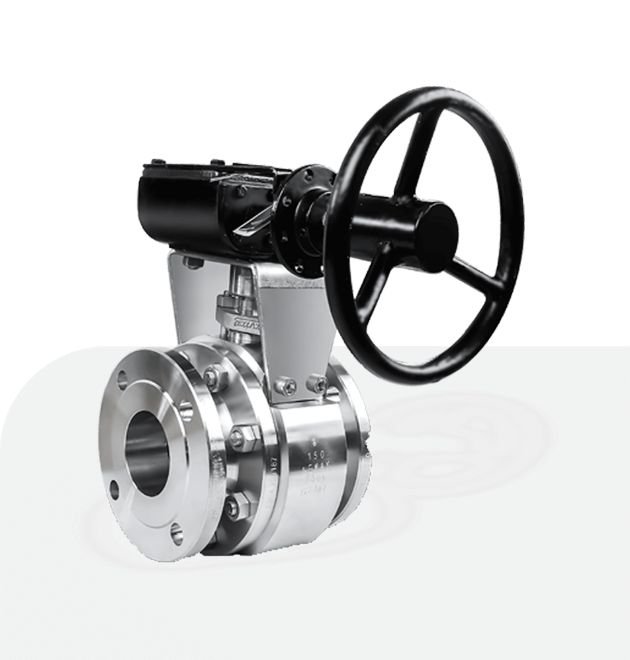
NBR seated butterfly valves are manufactured in various sizes and pressure classes.
Common Sizes
- DN40–DN2000+
- 1½”–80″+
Common Pressure Ratings
- PN10
- PN16
- PN25
- ANSI Class 150
Proper pressure selection ensures safe and reliable operation throughout the valve’s service life.
Industrial Applications
Oil and Gas
Used in:
- Fuel transfer systems
- Lubrication systems
- Pipeline networks
Compressed Air Systems
Installed in:
- Air compressors
- Pneumatic equipment
- Industrial air distribution
Manufacturing
Suitable for:
- Hydraulic oil systems
- Industrial machinery
- Process utilities
Marine Engineering
Applications include:
- Fuel systems
- Engine room pipelines
- Auxiliary equipment
Mining
Commonly used in:
- Hydraulic systems
- Equipment lubrication
- Utility services
Manual and Automated Operation
NBR seated butterfly valves are available with multiple operating options:
- Lever handle
- Worm gear operator
- Electric actuator
- Pneumatic actuator
Automation improves operational efficiency and enables integration with industrial control systems.
NBR vs. EPDM Butterfly Valve Seats
| Feature | NBR | EPDM |
|---|---|---|
| Oil Resistance | Excellent | Poor |
| Water Resistance | Good | Excellent |
| Fuel Compatibility | Excellent | Not Recommended |
| Ozone Resistance | Moderate | Excellent |
| Typical Applications | Oil & Gas, Fuel Systems | Water, HVAC, Wastewater |
Selecting the correct seat material depends on the type of media being handled.
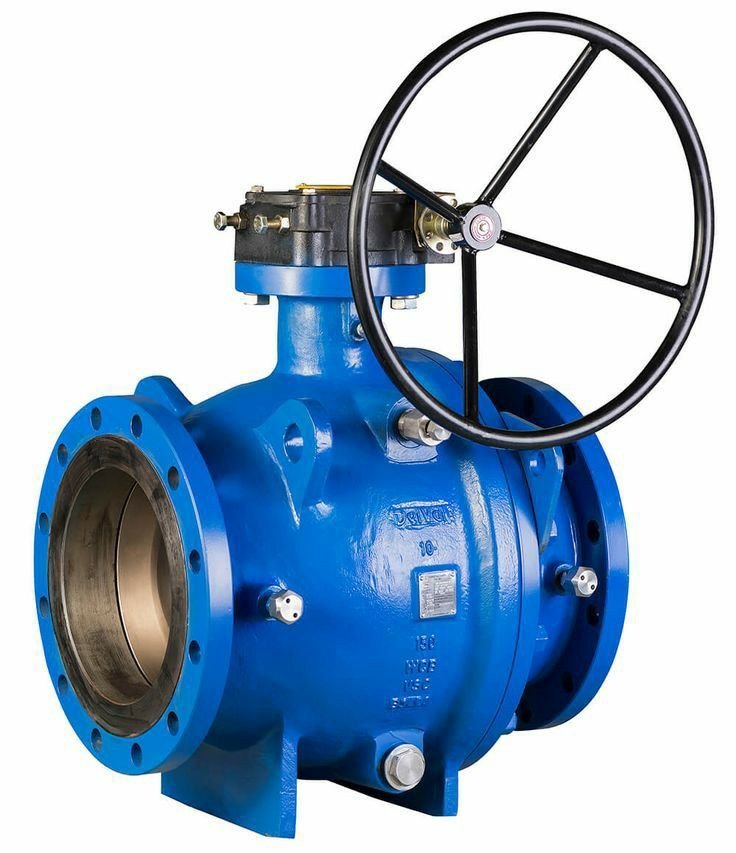
How to Choose the Right NBR Seated Butterfly Valve
When selecting an NBR seated butterfly valve, consider:
- Pipeline size
- Operating pressure
- Media compatibility
- Temperature range
- Connection type
- Valve body material
- Manual or automated operation
- Required certifications
Proper valve selection helps improve operational efficiency while reducing maintenance costs.
Quality Standards and Certifications
High-quality NBR seated butterfly valves are manufactured according to internationally recognized standards, including:
- ISO 9001
- API 609
- API 598
- EN 593
- CE Certification
- ANSI / ASME
- DIN
- JIS
Compliance with these standards ensures reliable product quality and long-term performance.
Frequently Asked Questions
What is an NBR seated butterfly valve?
An NBR seated butterfly valve uses a nitrile rubber seat to provide reliable sealing for oil, fuel, compressed air, and other petroleum-based media.
What are the advantages of NBR?
NBR offers excellent resistance to oils, fuels, grease, and abrasion while maintaining good sealing performance.
Can NBR seated butterfly valves be used for drinking water?
NBR is generally not recommended for potable water applications. EPDM is usually the preferred seat material for drinking water systems.
Which industries commonly use NBR seated butterfly valves?
Oil and gas, manufacturing, mining, marine engineering, compressed air systems, and industrial processing.
Can NBR seated butterfly valves be automated?
Yes. They are available with manual, electric, and pneumatic actuation options.
How do I choose between NBR and EPDM seats?
Choose NBR for petroleum-based media and EPDM for water, wastewater, and non-oil applications.
Conclusion
An NBR seated butterfly valve is an excellent choice for industrial applications involving oils, fuels, compressed air, and other petroleum-based media. Its outstanding oil resistance, dependable sealing performance, and cost-effective design make it a preferred solution across oil and gas, manufacturing, marine engineering, mining, and industrial utility systems.
Whether selecting a wafer, lug, or flanged butterfly valve configuration, choosing the appropriate materials, pressure rating, and operating method will ensure reliable performance, extended service life, and efficient flow control.