
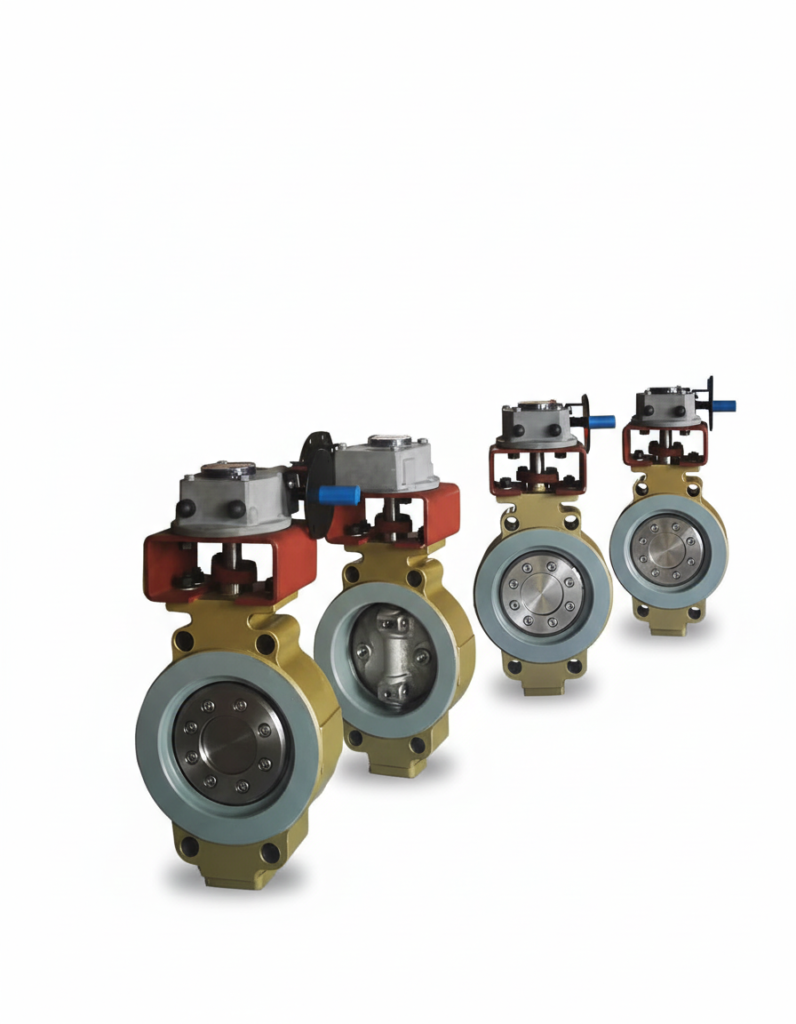
What Is a Bubble Tight Butterfly Valve?
A bubble tight butterfly valve is a butterfly valve designed to achieve an exceptionally tight shutoff with virtually no visible leakage when fully closed. The term “bubble tight” refers to a sealing performance that meets strict leakage standards, often verified through air or hydrostatic testing in accordance with international valve specifications.
Bubble tight butterfly valves are commonly manufactured with resilient seats made from EPDM, NBR, PTFE, or other elastomer materials. They are widely used in water treatment, HVAC, fire protection, chemical processing, food production, and other applications where reliable shutoff is essential.
How Does a Bubble Tight Butterfly Valve Work?
A bubble tight butterfly valve operates using a quarter-turn rotating disc.
- Open Position: The disc aligns with the direction of flow, allowing fluid to pass with minimal restriction.
- Closed Position: The disc compresses evenly against the valve seat, creating a complete seal that prevents leakage.
The precision machining of the disc and seat, combined with high-quality sealing materials, enables the valve to achieve reliable bubble-tight shutoff over thousands of operating cycles.
Advantages of Bubble Tight Butterfly Valves
A bubble tight butterfly valve offers several important benefits:
- Excellent leak-tight sealing
- Reliable shutoff performance
- Low operating torque
- Compact and lightweight construction
- Long service life
- Reduced maintenance requirements
- Suitable for manual and automated operation
- Cost-effective flow control solution
- Available in multiple connection styles
These advantages make bubble tight butterfly valves one of the most popular choices for industrial flow control systems.
Types of Bubble Tight Butterfly Valves
Wafer Bubble Tight Butterfly Valve
Designed for installation between pipeline flanges.
Applications
- Water treatment
- HVAC systems
- Municipal pipelines
Lug Bubble Tight Butterfly Valve
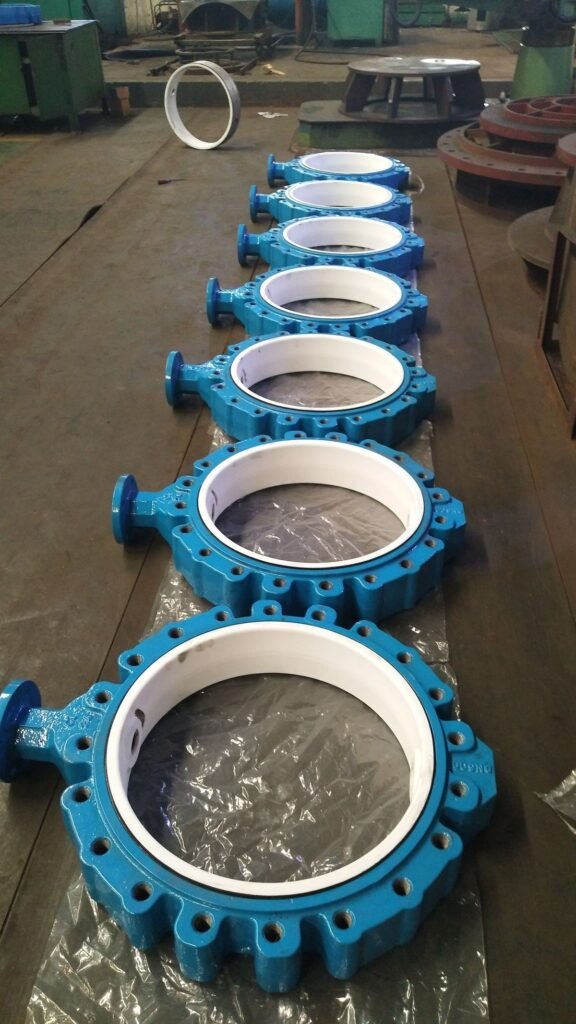
Features threaded lugs for end-of-line service and simplified maintenance.
Applications
- Pump stations
- Industrial processing
- Utility pipelines
Flanged Bubble Tight Butterfly Valve
The flanged butterfly valve configuration provides enhanced mechanical strength and secure installation, making it suitable for larger pipelines and demanding industrial environments.
Applications
- Water distribution
- Wastewater treatment
- Chemical processing
High Performance Bubble Tight Butterfly Valve
Designed with double-offset or triple-offset geometry to improve sealing efficiency and reduce seat wear.
Applications
- Oil and gas
- Petrochemical plants
- Power generation
Seat Materials
Bubble-tight sealing performance depends largely on seat material selection.
| Seat Material | Typical Application |
|---|---|
| EPDM | Drinking water, wastewater, HVAC |
| NBR | Oil, fuel, compressed air |
| PTFE | Chemical processing |
| Viton (FKM) | High-temperature applications |
Selecting the correct seat material ensures optimal sealing performance and media compatibility.
Body and Disc Materials
Body Materials
- Ductile Iron
- Carbon Steel
- Stainless Steel
- Cast Steel
Disc Materials
- Stainless Steel 304
- Stainless Steel 316
- Aluminum Bronze
- Nickel-Plated Ductile Iron
The appropriate material combination depends on operating pressure, temperature, and process media.
Pressure Ratings and Sizes
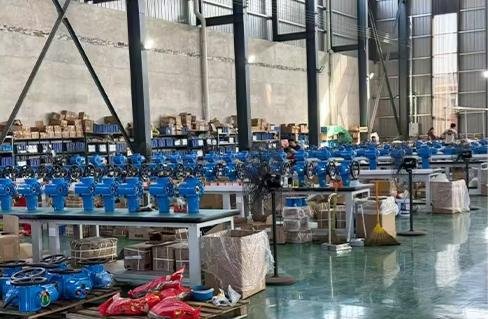
Bubble tight butterfly valves are manufactured in various sizes and pressure classes.
Common Sizes
- DN40–DN2000+
- 1½”–80″+
Common Pressure Ratings
- PN10
- PN16
- PN25
- PN40
- ANSI Class 150
Always verify valve ratings before installation to ensure safe and reliable operation.
Industrial Applications
Water Treatment
Used in:
- Water supply systems
- Filtration plants
- Distribution pipelines
Wastewater Treatment
Installed in:
- Sewage treatment plants
- Sludge handling
- Effluent systems
HVAC Systems
Suitable for:
- Chilled water systems
- Heating networks
- Cooling towers
Fire Protection
Applications include:
- Fire sprinkler systems
- Fire pump stations
- Emergency water pipelines
Chemical Processing
Commonly used in:
- Chemical dosing
- Utility pipelines
- Corrosive media systems
Food and Beverage
Installed in:
- Process water
- Utility services
- Cleaning systems
Testing Standards for Bubble Tight Sealing
Bubble-tight performance is typically verified through internationally recognized testing procedures.
Common testing standards include:
- API 598
- EN 12266-1
- ISO 5208
- MSS SP-61
These standards specify allowable leakage rates and testing methods to ensure valve reliability before delivery.
Manual and Automated Operation
Bubble tight butterfly valves are available with:
- Lever handle
- Worm gear operator
- Electric actuator
- Pneumatic actuator
Automated operation improves production efficiency and enables remote monitoring and process control.
How to Choose the Right Bubble Tight Butterfly Valve
When selecting a bubble tight butterfly valve, consider:
- Operating pressure
- Working temperature
- Fluid compatibility
- Seat material
- Valve size
- Connection type
- Body and disc materials
- Manual or automated operation
- Required leakage standard
Proper valve selection helps ensure reliable sealing performance and long-term operational stability.
Quality Standards and Certifications
Reliable bubble tight butterfly valves are manufactured in accordance with internationally recognized standards, including:
- ISO 9001
- API 609
- API 598
- EN 593
- CE Certification
- ANSI / ASME
- DIN
- JIS
These certifications help ensure consistent product quality, safety, and dependable industrial performance.
Frequently Asked Questions
What does bubble tight mean for a butterfly valve?
Bubble tight means the valve provides an extremely tight shutoff with no visible air leakage during standardized leakage testing.
Which seat materials provide bubble-tight sealing?
EPDM, NBR, PTFE, and Viton are commonly used to achieve reliable bubble-tight sealing, depending on the application.
Are metal seated butterfly valves bubble tight?
Standard metal seated butterfly valves are generally designed for severe-service applications rather than bubble-tight sealing. However, some advanced triple offset designs can achieve very low leakage rates under specific testing standards.
Which industries commonly use bubble tight butterfly valves?
Water treatment, wastewater treatment, HVAC, fire protection, chemical processing, food production, and general industrial manufacturing.
Can bubble tight butterfly valves be automated?
Yes. They can be equipped with electric, pneumatic, gear-operated, or manual actuation systems.
How is bubble-tight performance tested?
Performance is verified using standards such as API 598, EN 12266-1, ISO 5208, and MSS SP-61 through air or hydrostatic leakage testing.
Conclusion
A bubble tight butterfly valve is an ideal choice for applications requiring dependable shutoff and minimal leakage. With high-quality seat materials, precision manufacturing, and rigorous testing, these valves provide reliable sealing performance across water treatment, HVAC, fire protection, chemical processing, food production, and numerous industrial systems.
Whether selecting a wafer, lug, high-performance, or flanged butterfly valve configuration, choosing the correct materials, pressure rating, and sealing design will ensure efficient operation, reduced maintenance, and long-term reliability.