
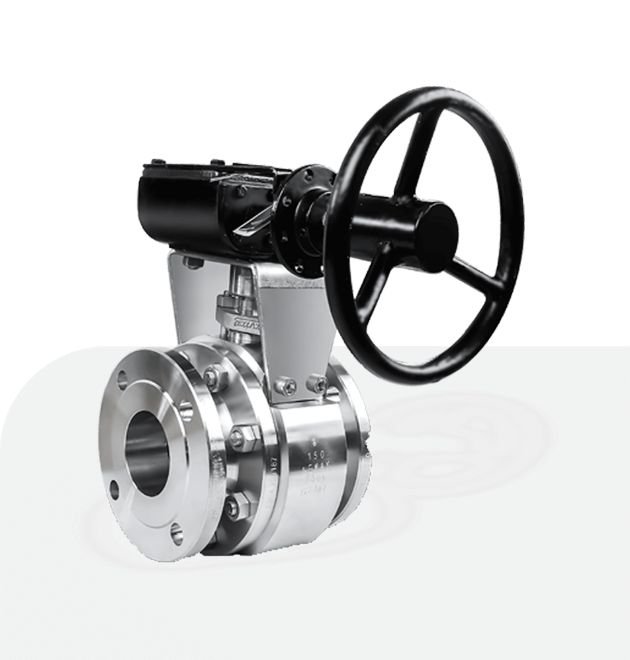
What Is a WCB Butterfly Valve?
A WCB butterfly valve is a butterfly valve manufactured with a WCB (ASTM A216 Grade WCB) cast carbon steel body. WCB is one of the most commonly used carbon steel materials in industrial valve manufacturing due to its excellent mechanical strength, pressure resistance, weldability, and cost-effectiveness. It is widely used in medium- and high-pressure piping systems across various industries.
WCB butterfly valves are suitable for handling water, steam, oil, natural gas, and many non-corrosive process fluids. They are commonly available in wafer, lug, and flanged butterfly valve designs to accommodate different installation requirements.
How Does a WCB Butterfly Valve Work?
A WCB butterfly valve regulates or isolates flow using a rotating disc mounted on a central shaft.
- Open Position: The disc rotates parallel to the pipeline, allowing fluid to flow with minimal pressure loss.
- Closed Position: The disc rotates 90 degrees and seals tightly against the valve seat, providing reliable shut-off.
The WCB body delivers the structural strength required for demanding industrial applications, while the seat material determines sealing performance and media compatibility.
Advantages of WCB Butterfly Valves
A WCB butterfly valve offers numerous benefits:
- High mechanical strength
- Excellent pressure resistance
- Good impact resistance
- Suitable for medium- and high-temperature service
- Excellent weldability
- Cost-effective compared to stainless steel
- Long service life
- Reliable sealing performance
- Compatible with manual and automated operation
These advantages make WCB butterfly valves one of the most widely used industrial valve solutions.
Types of WCB Butterfly Valves
Wafer WCB Butterfly Valve
A compact design installed between two flanges.
Applications
- Water treatment
- Industrial utilities
- Process piping
Lug WCB Butterfly Valve
Designed with threaded lugs for end-of-line service and easier maintenance.
Applications
- Chemical plants
- Industrial processing
- Pump stations
Flanged WCB Butterfly Valve
The flanged butterfly valve configuration provides a rigid bolted connection suitable for large-diameter pipelines and higher-pressure systems.
Applications
- Oil and gas pipelines
- Petrochemical plants
- Power generation facilities
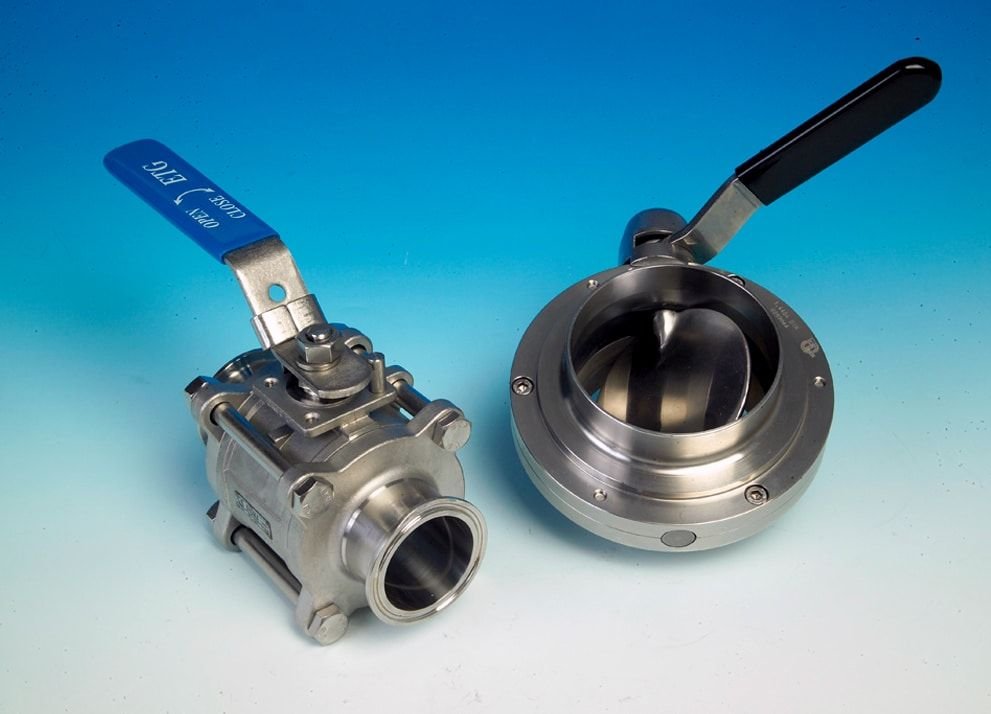
Material Properties of ASTM A216 WCB
ASTM A216 WCB is a cast carbon steel specifically developed for pressure-containing components.
| Property | Performance |
|---|---|
| Mechanical Strength | Excellent |
| Pressure Resistance | High |
| Weldability | Excellent |
| Impact Resistance | Good |
| Temperature Capability | Medium to High |
| Corrosion Resistance | Moderate (with coating or lining) |
For corrosive environments, protective coatings or corrosion-resistant seat and disc materials are often recommended.
Seat Materials
WCB butterfly valves are available with several seat options.
| Seat Material | Typical Application |
| EPDM | Water, HVAC, wastewater |
| NBR | Oil, fuel, compressed air |
| PTFE | Corrosive chemicals |
| Metal Seat | High-temperature and abrasive service |
Choosing the correct seat material is essential for achieving reliable sealing and long service life.
Pressure Ratings and Sizes
WCB butterfly valves are manufactured in various sizes and pressure classes.
Common Sizes
- DN50–DN2000+
- 2″–80″+
Common Pressure Ratings
- PN16
- PN25
- PN40
- ANSI Class 150
- ANSI Class 300
- ANSI Class 600
Special pressure classes can be supplied for demanding industrial applications.
Industrial Applications
Oil and Gas
Widely used in:
- Transmission pipelines
- Refineries
- Storage terminals
- Processing facilities
Power Generation
Installed in:
- Steam systems
- Cooling water circuits
- Boiler auxiliary systems
Chemical Processing
Suitable for:
- Utility pipelines
- Process water
- General chemical services
Water Treatment
Applications include:
- Industrial water supply
- Wastewater treatment
- Cooling water systems
Mining
Commonly used in:
- Mineral processing
- Slurry transport
- Utility piping
General Industrial Applications
Installed in:
- Manufacturing facilities
- Process pipelines
- Industrial utility systems
Manual and Automated Operation
WCB butterfly valves are available with several actuation options:
- Lever handle
- Worm gear operator
- Electric actuator
- Pneumatic actuator
- Hydraulic actuator
Automation improves production efficiency and supports integration into modern process control systems.
WCB vs. Stainless Steel Butterfly Valve
| Feature | WCB Carbon Steel | Stainless Steel |
| Mechanical Strength | Excellent | Excellent |
| Corrosion Resistance | Moderate | Excellent |
| Cost | Lower | Higher |
| High-Temperature Performance | Excellent | Excellent |
| Typical Applications | Oil & Gas, Power, Utilities | Chemical, Food, Marine |
WCB is generally preferred for high-strength, cost-sensitive industrial applications, while stainless steel is recommended for corrosive or hygienic environments.
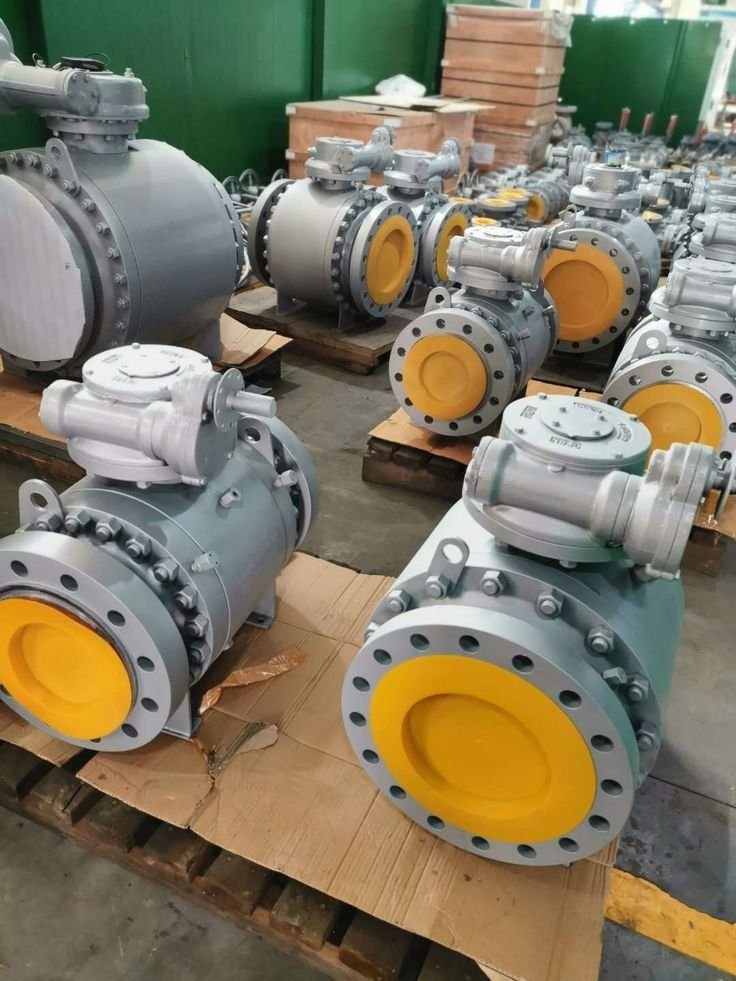
How to Choose the Right WCB Butterfly Valve
When selecting a WCB butterfly valve, consider:
- Operating pressure
- Working temperature
- Fluid type
- Corrosion conditions
- Seat material
- Valve size
- Connection type
- Manual or automated operation
- Required industry certifications
Choosing the correct valve specification improves reliability, safety, and maintenance efficiency.
Tip: If your project requires a robust flange connection, explore our Flanged Butterfly Valve product range for additional specifications and sizing options.
Quality Standards and Certifications
Reliable WCB butterfly valves are manufactured according to internationally recognized standards, including:
- ISO 9001
- API 609
- API 598
- EN 593
- CE Certification
- ANSI / ASME
- DIN
- JIS
- PED (Pressure Equipment Directive)
Compliance with these standards ensures consistent product quality, reliable sealing performance, and long-term operational safety.
Frequently Asked Questions
What is a WCB butterfly valve?
A WCB butterfly valve is a butterfly valve manufactured with an ASTM A216 Grade WCB cast carbon steel body, offering high strength and reliable performance for industrial piping systems.
What does WCB mean in valve materials?
WCB refers to ASTM A216 Grade WCB, a widely used cast carbon steel material designed for pressure-containing valve bodies and fittings.
What are the advantages of WCB butterfly valves?
They provide excellent mechanical strength, high pressure resistance, good weldability, cost efficiency, and long service life.
Which industries commonly use WCB butterfly valves?
Oil and gas, petrochemical processing, power generation, water treatment, mining, and general industrial manufacturing.
Can WCB butterfly valves be automated?
Yes. They are available with electric, pneumatic, hydraulic, and gear-operated actuators for automated flow control.
How do I choose the right WCB butterfly valve?
Consider the operating pressure, temperature, media compatibility, seat material, connection type, and applicable industry standards before selecting the valve.
Conclusion
A WCB butterfly valve is a dependable and cost-effective solution for industrial applications requiring high mechanical strength and reliable performance. Its ASTM A216 WCB carbon steel body provides excellent pressure resistance, making it ideal for oil and gas, power generation, chemical processing, water treatment, and general industrial piping systems.
Whether selecting a wafer, lug, or flanged butterfly valve configuration, choosing the appropriate seat material, pressure rating, and actuation method will help ensure dependable sealing, efficient flow control, and long-term operational reliability.