
What Is a Class 150 Butterfly Valve?
A Class 150 butterfly valve is a quarter-turn flow control valve designed to comply with ASME/ANSI Class 150 pressure rating standards. Unlike PN ratings, ANSI Class ratings define allowable working pressure based on both temperature and material. For carbon steel valves at ambient temperatures, a Class 150 valve typically handles pressures up to approximately 285 psi (19.6 bar), although the exact allowable pressure decreases as operating temperature increases.
Class 150 butterfly valves are widely used in oil and gas, petrochemical processing, power generation, water treatment, HVAC, marine engineering, and general industrial piping systems. They are available in wafer, lug, and flanged butterfly valve configurations to meet various installation requirements.
How Does a Class 150 Butterfly Valve Work?
A Class 150 butterfly valve controls or isolates fluid flow using a rotating disc mounted on a central shaft.
- Open Position: The disc rotates parallel to the pipeline, allowing maximum flow with minimal pressure drop.
- Closed Position: The disc rotates 90 degrees and seals tightly against the valve seat, providing dependable shut-off.
The valve’s pressure capability depends on its body material, seat material, temperature, and compliance with ANSI standards.
Advantages of Class 150 Butterfly Valves
A Class 150 butterfly valve offers numerous benefits:
- Designed according to ANSI/ASME standards
- Suitable for medium-pressure industrial systems
- Compact and lightweight construction
- Low operating torque
- Reliable sealing performance
- Easy installation and maintenance
- Available in various body and seat materials
- Compatible with manual and automated operation
- Widely accepted in North American industrial projects
These advantages make Class 150 butterfly valves one of the most commonly specified valve types for ANSI piping systems.
Types of Class 150 Butterfly Valves
Wafer Class 150 Butterfly Valve
A compact design installed between ANSI Class 150 flanges.
Applications
- Water treatment
- HVAC systems
- Industrial utilities
Lug Class 150 Butterfly Valve
Features threaded lugs that allow end-of-line service and simplified maintenance.
Applications
- Industrial processing
- Pump stations
- Utility pipelines
Flanged Class 150 Butterfly Valve
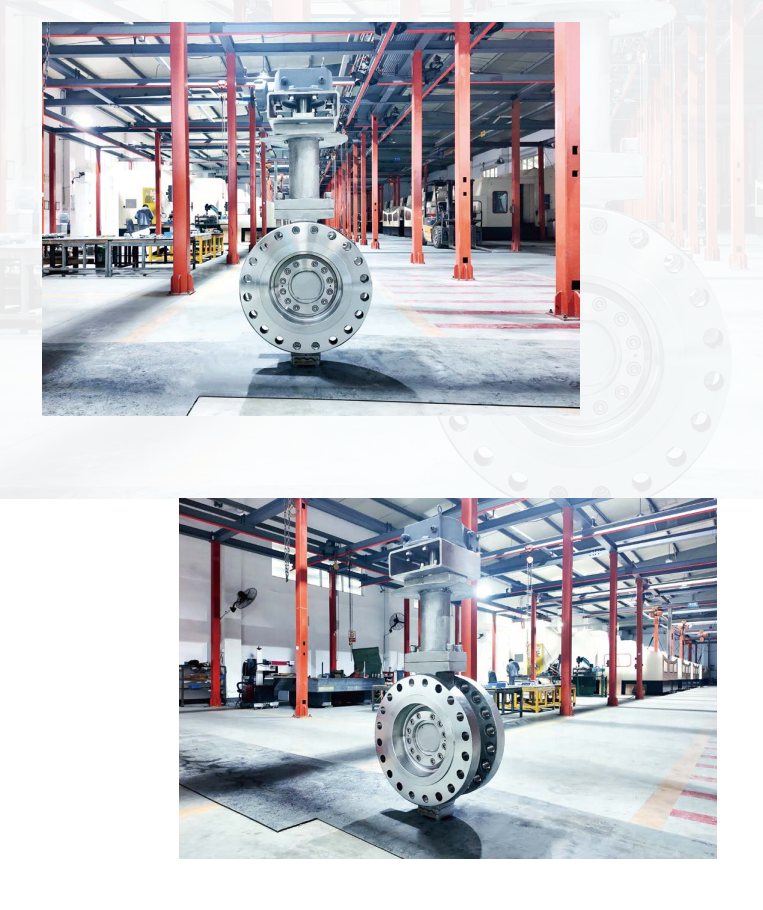
The flanged butterfly valve configuration provides a rigid bolted connection for larger pipelines and applications requiring enhanced structural support.
Applications
- Oil and gas facilities
- Petrochemical plants
- Power generation systems
Available Body Materials
Class 150 butterfly valves are manufactured using several body materials.
| Body Material | Typical Application |
|---|---|
| Ductile Iron | Water treatment, HVAC |
| Carbon Steel (WCB) | Oil & gas, industrial processing |
| Stainless Steel (CF8) | Food processing, water treatment |
| Stainless Steel (CF8M) | Chemical and marine environments |
| Cast Steel | High-strength industrial systems |
Material selection depends on pressure, temperature, and media compatibility.
Seat Materials
Different seat materials are available for various applications.
| Seat Material | Typical Application |
| EPDM | Water, HVAC, wastewater |
| NBR | Oil, fuel, compressed air |
| PTFE | Corrosive chemicals |
| Metal Seat | High-temperature and abrasive service |
Selecting the appropriate seat material ensures reliable sealing and longer valve life.
Pressure Ratings and Sizes
Class 150 butterfly valves are available in a wide range of sizes.
Common Sizes
- NPS 2″–80″+ (DN50–DN2000+)
Pressure Classification
- ANSI Class 150
- Also available in Class 300 and Class 600 for higher-pressure applications
The actual pressure capability varies with valve material and operating temperature according to ASME B16.34 pressure-temperature ratings.
Industrial Applications
Oil and Gas
Widely used in:
- Pipeline transportation
- Refineries
- Storage terminals
- Processing plants
Water Treatment
Installed in:
- Municipal water systems
- Wastewater treatment plants
- Distribution networks
Power Generation
Suitable for:
- Cooling water systems
- Utility pipelines
- Auxiliary process systems
Chemical Processing
Applications include:
- Process control
- Chemical transfer
- Utility services
Marine Engineering
Commonly used in:
- Cooling water systems
- Ballast pipelines
- Shipbuilding
General Industrial Applications
Installed in:
- Manufacturing facilities
- Utility systems
- Process pipelines
Manual and Automated Operation
Class 150 butterfly valves are available with multiple actuation options:
- Lever handle
- Worm gear operator
- Electric actuator
- Pneumatic actuator
- Hydraulic actuator
Automation improves process efficiency and enables remote monitoring and control.
Class 150 vs. PN16 Butterfly Valve
| Feature | Class 150 | PN16 |
| Standard | ANSI / ASME | EN / DIN |
| Maximum Pressure* | Approximately 285 psi (at ambient temperature for carbon steel) | 16 bar (232 psi) |
| Flange Standard | ANSI B16.5 | EN 1092-1 |
| Typical Markets | North America, Middle East | Europe, Asia |
*Actual allowable pressure depends on material and operating temperature.
For international projects, always ensure that the valve and flange standards are compatible.
How to Choose the Right Class 150 Butterfly Valve
When selecting a Class 150 butterfly valve, consider:
- Operating pressure and temperature
- Pipeline size
- Fluid type
- Body material
- Disc material
- Seat material
- Connection type
- Manual or automated operation
- Required industry certifications
Selecting the appropriate valve helps maximize safety, reliability, and service life.
Tip: For projects requiring ANSI flange connections, explore our Flanged Butterfly Valve product range to find Class 150 models suitable for industrial and municipal applications.
Quality Standards and Certifications
Reliable Class 150 butterfly valves are manufactured according to internationally recognized standards, including:
- ISO 9001
- API 609
- API 598
- ASME B16.34
- ANSI B16.5
- EN 593
- CE Certification
- PED (Pressure Equipment Directive)
Compliance with these standards helps ensure product quality, safety, and dependable performance.
Frequently Asked Questions
What is a Class 150 butterfly valve?
A Class 150 butterfly valve is a butterfly valve manufactured to ANSI/ASME pressure class standards for medium-pressure industrial piping systems.
How much pressure can a Class 150 butterfly valve handle?
For carbon steel valves at ambient temperature, the pressure rating is approximately 285 psi (19.6 bar). The allowable pressure decreases as operating temperature increases.
What is the difference between Class 150 and PN16?
Class 150 follows ANSI/ASME standards and uses pressure-temperature ratings, while PN16 follows EN/DIN standards with a nominal pressure rating of 16 bar.
Which industries commonly use Class 150 butterfly valves?
Oil and gas, petrochemical processing, power generation, water treatment, marine engineering, and industrial manufacturing.
Can Class 150 butterfly valves be automated?
Yes. They are available with electric, pneumatic, hydraulic, and gear-operated actuators.
How do I choose the right Class 150 butterfly valve?
Evaluate the operating pressure, temperature, body material, seat material, media compatibility, flange standard, and industry certifications before selecting the valve.
Conclusion
A Class 150 butterfly valve is a dependable solution for medium-pressure industrial piping systems that follow ANSI/ASME standards. Its robust design, reliable sealing performance, and broad material options make it suitable for oil and gas, petrochemical processing, water treatment, power generation, marine engineering, and numerous industrial applications.
Whether selecting a wafer, lug, or flanged butterfly valve configuration, choosing the correct body material, seat material, and pressure class will help ensure safe operation, efficient flow control, and long-term reliability.