
A butterfly valve can provide reliable service for many years when it is correctly selected, installed, operated, and maintained. However, there isn’t a single number that defines the service life of every butterfly valve. A valve used in clean water may last far longer than one exposed to abrasive slurry, corrosive chemicals, high temperatures, or frequent cycling.
Understanding butterfly valve service life is therefore important when planning equipment purchases, preventive maintenance, spare parts, and replacement schedules.
The most important factors include valve construction, seat material, pressure, temperature, fluid characteristics, operating frequency, installation quality, actuator performance, and maintenance practices.
For industrial projects that require flanged connections, you can also explore our flanged valve product range.
How Long Does a Butterfly Valve Last?
There is no universal service-life figure that applies to every butterfly valve.
A valve’s useful life depends heavily on its application. A butterfly valve operating occasionally in clean, moderate-temperature water can have a very different lifespan from one cycling thousands of times in an abrasive or corrosive process.
Instead of asking only, “How many years will this valve last?”, engineers should consider:
- Number of operating cycles
- Fluid type
- Fluid cleanliness
- Pressure
- Temperature
- Flow velocity
- Corrosiveness
- Abrasiveness
- Seat material
- Valve body material
- Installation quality
- Maintenance practices
A valve may remain mechanically usable for many years but no longer meet the required leakage or operating-torque requirements. Conversely, a valve body may remain sound while its seat requires replacement.
That’s why service life should be evaluated based on condition and performance, not age alone.
9 Factors That Affect Butterfly Valve Service Life
1. Valve Material
Material selection has a major influence on long-term durability.
Common butterfly valve body and disc materials include:
- Cast iron
- Ductile iron
- Carbon steel
- Stainless steel
- Aluminum bronze
- Other specialized alloys
The correct material depends on the process environment.
For example, stainless steel may be preferred in applications where corrosion resistance is important, while ductile iron can be a practical choice for many water applications.
Choosing a material that isn’t compatible with the fluid can dramatically shorten valve life.
Corrosion Matters
Corrosion can weaken the valve body, damage the disc, attack the shaft, and eventually compromise pressure integrity.
For seawater, chemical processing, and other corrosive services, material selection should be based on the actual process conditions rather than general assumptions.
2. Seat Material
For resilient seated butterfly valves, the seat is often one of the components most affected by service conditions.
Common materials include:
- EPDM
- NBR
- PTFE
- FKM
Each material has different chemical and temperature characteristics.
For example, EPDM is widely used in water applications, while NBR is often selected for certain oil-related services. PTFE offers broad chemical resistance but has different mechanical characteristics from elastomeric seats.
An incompatible seat material can deteriorate quickly through:
- Swelling
- Hardening
- Softening
- Cracking
- Compression set
- Chemical attack
Selecting the correct seat material can therefore have a major impact on overall valve service life.
3. Operating Temperature
Temperature is another major factor.
High temperatures can accelerate degradation of elastomeric seats and seals. Repeated temperature changes can also create thermal expansion and contraction that affect sealing components.
Low temperatures can create different challenges, including changes in elastomer flexibility.
Before selecting a butterfly valve, verify:
- Minimum operating temperature
- Maximum operating temperature
- Fluid temperature
- Ambient temperature
- Temperature cycling
- Seat temperature rating
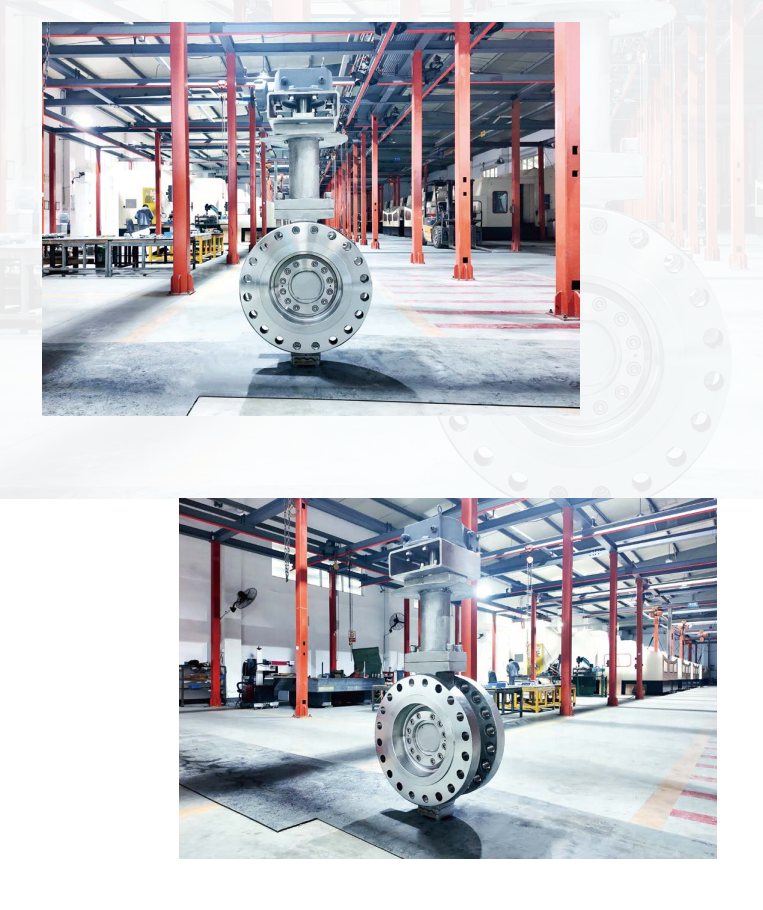
For high-temperature applications, metal-seated or offset butterfly valves may be more suitable than conventional resilient seated designs, depending on the process.
4. Pressure and Differential Pressure
Pressure affects both valve components and operating torque.
A butterfly valve must be selected according to its pressure rating and expected differential pressure.
Excessive differential pressure can:
- Increase operating torque
- Increase seat loading
- Affect actuator sizing
- Accelerate component wear
- Make operation more difficult
A valve that regularly operates outside its intended pressure conditions may have a much shorter service life.
The pressure rating of the valve should therefore be evaluated together with the actual operating pressure and temperature.
5. Operating Frequency
A butterfly valve that operates once a month experiences very different mechanical wear from one that cycles hundreds or thousands of times per day.
Frequent operation can accelerate:
- Seat wear
- Shaft wear
- Bearing wear
- Gearbox wear
- Actuator wear
For high-cycle applications, valve selection should consider the required number of cycles.
A valve designed mainly for isolation may not be the best choice for continuous modulating service.
6. Fluid Characteristics
The fluid flowing through the valve has a major impact on longevity.
Clean Water
Generally provides relatively favorable conditions for many butterfly valves.
Wastewater
May contain solids and debris that can damage sealing surfaces.
Seawater
Can create significant corrosion challenges.
Chemicals
Require careful material compatibility analysis.
Abrasive Slurry
Can cause rapid erosion of discs, seats, and internal components.
High-Temperature Gas
May require specialized valve construction and sealing materials.
The same butterfly valve design shouldn’t automatically be used for all of these applications.
7. Valve Installation Quality
Even a high-quality butterfly valve can have a shortened service life if it’s installed incorrectly.
Common installation problems include:
- Misaligned pipe flanges
- Incorrect valve centering
- Disc interference
- Excessive bolt tightening
- Improper gasket installation
- Contaminated pipelines
- Incorrect actuator mounting
Misalignment can place mechanical stress on the valve body and affect disc movement.
Foreign material can damage the seat during the first few operating cycles.
Correct installation is therefore one of the most cost-effective ways to protect long-term valve performance.
8. Actuator Selection and Operation
For automated butterfly valves, the actuator has a direct influence on valve reliability.
An undersized actuator may not generate enough torque to close the valve properly.
An excessively oversized actuator can create unnecessary mechanical loading.
The actuator should be selected based on the valve’s actual torque requirements, including relevant safety margins.
For electric, pneumatic, and hydraulic actuators, maintenance should also include the actuator system rather than focusing only on the valve body.
9. Maintenance Practices
Regular inspection can identify developing problems before they become major failures.
Maintenance should typically consider:
- External leakage
- Internal leakage
- Seat condition
- Disc condition
- Shaft condition
- Corrosion
- Bolts and flanges
- Actuator operation
- Gearbox condition
- Operating torque
- Valve position
Maintenance frequency should be based on service conditions and manufacturer recommendations.
A valve doesn’t necessarily need to be replaced simply because it has reached a certain age.
Butterfly Valve Service Life by Application
Different industries place different demands on butterfly valves.
| Application | Main Service-Life Concern |
|---|---|
| Drinking water | Seat durability and material compliance |
| HVAC | Cycling and temperature |
| Cooling water | Corrosion and operation |
| Wastewater | Debris and abrasion |
| Desalination | Corrosion and seawater compatibility |
| Chemical processing | Chemical compatibility |
| Oil service | Seat and seal compatibility |
| High-temperature service | Thermal resistance |
| Slurry | Erosion and abrasion |
| General industrial service | Overall wear and maintenance |
This table illustrates why a simple “expected lifespan” isn’t sufficient for valve selection.
How to Extend Butterfly Valve Service Life
Use the Correct Valve for the Application
Don’t select a valve based only on pipe diameter and price.
Consider:
- Fluid
- Pressure
- Temperature
- Flow rate
- Operating cycles
- Corrosion
- Abrasion
- Required leakage performance
A slightly higher initial purchase cost can be worthwhile if it substantially improves reliability.
Keep the Pipeline Clean
Foreign material can quickly damage a resilient seat.
Before commissioning a new pipeline, remove construction debris, welding slag, and other contaminants according to the project’s cleaning procedure.
Avoid Unnecessary Throttling
Many butterfly valves are excellent isolation valves, but continuous throttling can expose the valve to conditions that increase wear, vibration, or erosion.
If continuous flow control is required, select a valve specifically designed and sized for that duty.
Monitor Operating Torque
An unexpected increase in torque can indicate:
- Seat deterioration
- Corrosion
- Foreign material
- Shaft problems
- Excessive differential pressure
Early detection allows maintenance before the valve becomes difficult or impossible to operate.
Butterfly Valve Service Life and Seat Replacement
The valve body and seat don’t necessarily have the same service life.
A resilient seat may deteriorate while the:
- Body
- Disc
- Shaft
- Bearings
remain in good condition.
In such cases, replacing the seat may restore the valve’s sealing performance without replacing the entire valve.
Before replacing the seat, inspect the disc and body as well. A damaged disc can quickly damage a new seat.
For many industrial applications, condition-based seat replacement can be more economical than replacing the complete valve.
Signs That a Butterfly Valve Is Reaching the End of Its Service Life
Age alone doesn’t determine whether a valve should be retired.
Look for these warning signs:
Persistent Leakage
If the valve cannot achieve the required shut-off after appropriate repair, replacement may be necessary.
Severe Corrosion
Deep corrosion can compromise structural integrity.
Excessive Operating Torque
A significant and unexplained increase can indicate internal deterioration.
Damaged Disc
Severe erosion, pitting, or deformation can prevent reliable sealing.
Worn Shaft
Excessive shaft movement can affect both sealing and operation.
Repeated Failures
If the valve repeatedly requires repairs, the original design may no longer be suitable.
Unavailable Spare Parts
An obsolete valve with no reliable replacement components can become a maintenance risk.
Changed Process Conditions
A valve may have worked well for years but become unsuitable after the process changes.
For example, a change in:
- Temperature
- Pressure
- Chemical concentration
- Flow rate
- Operating frequency
can make an existing valve inappropriate.
Butterfly Valve Replacement vs Repair
When a valve develops a problem, the decision isn’t always straightforward.
| Condition | Repair | Replace |
|---|---|---|
| Minor seat wear | ✓ | |
| Replaceable seal damage | ✓ | |
| Minor actuator issue | ✓ | |
| Severe body corrosion | ✓ | |
| Badly damaged disc | ✓ | |
| Severe shaft wear | Sometimes | ✓ |
| Obsolete design | ✓ | |
| Wrong valve specification | ✓ | |
| Repeated failures | Sometimes | ✓ |
A cost comparison should include:
- Spare parts
- Labor
- Downtime
- Testing
- Installation
- Future reliability
The cheapest immediate repair isn’t necessarily the lowest-cost long-term solution.
Butterfly Valve Maintenance Schedule
A practical maintenance program can include several levels of inspection.
Routine Inspection
Check for:
- External leakage
- Corrosion
- Unusual noise
- Actuator problems
- Visible damage
Periodic Functional Testing
Verify:
- Opening
- Closing
- Position indication
- Actuator response
Detailed Inspection
Depending on service conditions, inspect:
- Seat
- Disc
- Shaft
- Body
- Gearbox
- Actuator
Overhaul
For critical or heavily used valves, a planned overhaul may be appropriate based on condition and manufacturer guidance.
There isn’t a single maintenance interval suitable for every butterfly valve.
How Valve Design Affects Service Life
Different butterfly valve designs are intended for different applications.
Concentric Butterfly Valve
Common in:
- Water systems
- HVAC
- General industrial isolation
The relatively simple design makes it popular for many moderate-duty applications.
Double Offset Butterfly Valve
The offset design reduces seat friction during operation and can be useful for higher-performance applications.
Triple Offset Butterfly Valve
Triple offset designs use a geometry that minimizes sliding contact between sealing surfaces.
They’re often considered for:
- High temperature
- High pressure
- Critical isolation
- Metal-seated applications
The appropriate design depends on the actual service requirements.
Butterfly Valve Service Life Checklist
Before selecting or maintaining a butterfly valve, review:
- Correct valve size
- Correct pressure rating
- Suitable body material
- Suitable disc material
- Suitable seat material
- Correct temperature range
- Fluid compatibility confirmed
- Required leakage performance defined
- Operating frequency considered
- Actuator correctly sized
- Pipeline correctly aligned
- Valve installed correctly
- Maintenance plan established
- Spare parts available
- Inspection records maintained
This checklist can help reduce premature failures and improve lifecycle planning.
Frequently Asked Questions
How long does a butterfly valve usually last?
There isn’t a universal service-life number. Lifespan depends on fluid, temperature, pressure, operating frequency, materials, installation, and maintenance. Some valves may remain in service for many years, while severe-service applications can require much earlier repair or replacement.
What reduces butterfly valve service life?
Common factors include corrosion, abrasion, chemical incompatibility, excessive temperature, excessive differential pressure, frequent cycling, poor installation, foreign material, and inadequate maintenance.
Can a butterfly valve last 20 years?
It can, depending on the valve design and operating conditions. Calendar age alone doesn’t determine whether a valve remains suitable. Condition, leakage performance, mechanical integrity, and availability of replacement parts should also be considered.
How can I extend butterfly valve service life?
Use the correct valve and seat materials, install the valve properly, keep the pipeline clean, avoid unsuitable operating conditions, maintain the actuator, monitor leakage and torque, and perform inspections based on the application’s requirements.
Do butterfly valve seats wear out before the valve body?
Often they can. In resilient seated designs, the seat may deteriorate while the body, disc, and shaft remain serviceable. A replacement seat can sometimes extend the useful life of the complete valve.
Does frequent operation shorten butterfly valve life?
Frequent cycling can increase wear on seats, shafts, bearings, gearboxes, and actuators. For high-cycle applications, select a valve specifically designed for the expected operating frequency.
Does high temperature reduce butterfly valve life?
It can. High temperature may accelerate degradation of elastomeric seats and seals and can also affect other valve components. The valve and seat materials must be selected for the actual temperature range.
When should a butterfly valve be replaced?
Consider replacement when the valve has severe corrosion, significant disc or shaft damage, persistent leakage after appropriate repair, repeated failures, unavailable spare parts, or no longer meets the process requirements.
Is a more expensive butterfly valve always longer-lasting?
No. A higher-priced valve isn’t automatically better for every application. The most important factor is whether its materials, design, pressure rating, temperature range, and operating characteristics match the actual service.
Conclusion
Butterfly valve service life depends on the complete operating environment rather than simply the age or purchase price of the valve. Material selection, seat design, pressure, temperature, fluid characteristics, operating frequency, installation quality, actuator sizing, and maintenance all play important roles.
The best way to extend valve life is to take a lifecycle approach: select the right valve, install it correctly, monitor its condition, maintain it according to the application, and replace individual components when practical.
When a valve begins to leak or operate with increasing torque, don’t immediately assume that the entire valve has reached the end of its life. A worn seat, damaged seal, or actuator problem may be repairable.
On the other hand, severe corrosion, structural damage, repeated failures, or unsuitable process conditions are strong reasons to consider complete replacement.
By matching the butterfly valve to the actual service and using condition-based maintenance, industrial facilities can improve reliability, reduce unplanned downtime, and get much more value from their valve investment.