
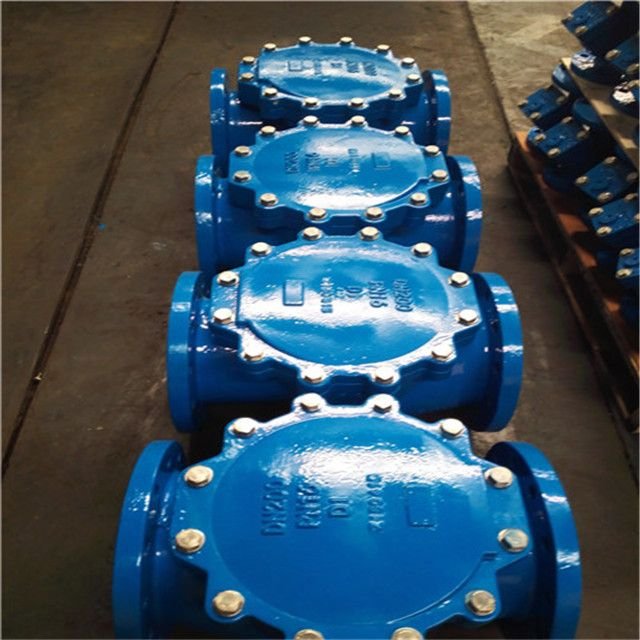
Industrial projects often need much more than individual valves. A complete piping system may require isolation valves, actuators, switches, position indicators, control accessories, documentation, testing, and carefully coordinated delivery.
Buying every component separately can create technical and logistical headaches. That’s why many EPC contractors, engineering companies, and industrial operators choose to work with a valve package supplier that can provide a complete, coordinated valve assembly.
A valve package can combine the valve itself with the appropriate actuator and accessories. Depending on the application, it may also include testing, inspection, documentation, painting, tagging, packaging, and project-specific engineering.
This approach can simplify procurement and reduce compatibility problems. More importantly, it gives the project team a single technical interface for an important part of the piping system.
For industrial projects requiring flanged valve connections, you can also explore our flanged valve product range.
What Is a Valve Package?
A valve package is an integrated assembly consisting of a valve and the components required for its intended operation.
A basic package may include:
- Valve
- Manual gearbox or lever
- Electric actuator
- Pneumatic actuator
- Hydraulic actuator
- Limit switches
- Position indicator
- Solenoid valve
- Positioner
- Mounting hardware
A more comprehensive project package may also include:
- Technical drawings
- Datasheets
- Material certificates
- Inspection reports
- Pressure test records
- Certificates of conformity
- Operation manuals
- Spare parts
- Special coatings
- Project tagging
The exact scope depends on the application and purchasing specification.
Why Use a Valve Package Supplier?
Working with a single supplier for a complete valve assembly can provide several practical advantages.
Better Component Compatibility
The valve and actuator can be selected and tested as a complete assembly.
Simpler Procurement
Instead of coordinating several vendors, the buyer can manage one main supplier.
Centralized Documentation
Technical and quality documents can be organized into one project package.
Easier Commissioning
A preassembled and tested valve package can reduce installation work.
Clearer Responsibility
If a valve doesn’t operate correctly, having one supplier responsible for the complete package can make troubleshooting easier.
1. What Should a Valve Package Include?
There’s no single standard package for every project.
A typical automated butterfly valve package might include:
Butterfly Valve + Actuator + Gearbox + Position Indicator + Limit Switches + Mounting Accessories
A pneumatic package may additionally include:
- Solenoid valve
- Air filter regulator
- Tubing
- Fittings
- Positioner
- Pneumatic accessories
An electric package may include:
- Electric actuator
- Local control station
- Limit switches
- Position feedback
- Emergency handwheel
- Control accessories
The package should be clearly defined before the quotation is finalized.
2. Butterfly Valve Packages
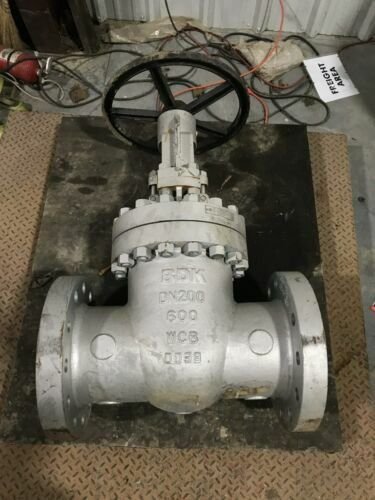
Butterfly valves are frequently supplied as complete packages for large-diameter industrial piping.
Common configurations include:
Resilient Seated Butterfly Valve Package
Often used in:
- Water treatment
- Wastewater
- HVAC
- Cooling water
- General utility systems
Double Offset Butterfly Valve Package
May be selected for more demanding isolation or control applications where reduced seat friction and improved durability are desirable.
Triple Offset Butterfly Valve Package
Can be considered for high-temperature, high-pressure, or metal-seated applications.
The valve design should be matched to the actual service conditions.
3. Ball Valve Packages
Ball valve packages are commonly used where rapid operation and reliable shut-off are important.
A package may include:
- Floating ball valve
- Trunnion-mounted ball valve
- Pneumatic actuator
- Electric actuator
- Solenoid valve
- Limit switch box
Applications can include:
- Chemical processing
- Oil and gas
- Gas systems
- Water
- General process piping
For automated ball valves, actuator torque should be calculated based on the actual valve operating conditions.
4. Gate Valve Packages
Gate valves are primarily used for isolation.
Automated gate valve packages may require multi-turn electric actuators rather than the quarter-turn actuators commonly used for butterfly and ball valves.
Typical components include:
- Gate valve
- Electric actuator
- Stem protection
- Position indication
- Limit switches
- Control accessories
The actuator should be selected according to the valve’s required thrust or torque and operating conditions.
5. Control Valve Packages
Control valve packages can be more complex than simple isolation valve packages.
A package may include:
- Control valve
- Pneumatic actuator
- Positioner
- Solenoid valve
- Air filter regulator
- Position feedback
- Tubing and fittings
The supplier may also need to consider:
- Cv
- Flow characteristics
- Pressure drop
- Cavitation
- Noise
- Temperature
- Fail-open or fail-closed requirements
For process-control applications, engineering support becomes particularly important.
6. Actuator Selection Is Critical
The actuator is one of the most important parts of a valve package.
An actuator that is too small may fail to move the valve under actual operating conditions.
An actuator that’s unnecessarily large can increase:
- Purchase cost
- Energy consumption
- Installation space
- Mechanical loading
Electric Actuators
Often used when the project requires:
- Remote operation
- Position control
- PLC integration
- Modulating service
Pneumatic Actuators
Popular for fast automated operation and industrial process applications where compressed air is available.
Hydraulic Actuators
Can provide high operating force and may be used for specialized heavy-duty applications.
The supplier should match actuator output to the valve’s actual operating requirements.
7. Valve Package Material Selection
Material selection should consider the complete assembly.
Common valve body materials include:
| Material | Typical Considerations |
|---|---|
| Cast iron | General water and HVAC |
| Ductile iron | Water and industrial service |
| Carbon steel | Industrial and higher-strength applications |
| Stainless steel | Corrosive environments |
| Aluminum bronze | Selected marine and seawater applications |
Internal components also require evaluation.
These may include:
- Disc
- Ball
- Plug
- Stem
- Shaft
- Seat
- Seals
Common sealing materials include:
- EPDM
- NBR
- PTFE
- FKM
- Metal
The correct selection depends on the fluid, temperature, pressure, and chemical conditions.
8. Pressure and Temperature Requirements
The valve package should be suitable for the complete operating envelope.
Important parameters include:
- Minimum pressure
- Normal pressure
- Maximum pressure
- Minimum temperature
- Normal temperature
- Maximum temperature
- Differential pressure
Common pressure designations include:
- PN10
- PN16
- PN25
- Class 150
Pressure and temperature should be evaluated together because allowable pressure can change with temperature.
For specialized applications, the supplier should provide appropriate pressure-temperature information.
9. Valve Package Testing
A major benefit of buying a complete package is the opportunity to test the assembled equipment before shipment.
Potential tests include:
Valve Pressure Test
Verifies pressure integrity.
Seat Leakage Test
Checks shut-off performance.
Functional Test
Confirms that the valve operates correctly.
Actuator Test
Checks the actuator’s opening and closing performance.
Limit Switch Test
Verifies open and closed position signals.
Position Feedback Test
Confirms that the control system receives the correct valve position.
Integrated Package Test
Where required, the complete valve-and-actuator assembly can be tested together.
Testing requirements should be defined in the project specification before manufacturing.
Valve Package Supplier for EPC Contractors
EPC contractors often prefer suppliers that can manage a complete technical and commercial package.
A typical procurement workflow is:
RFQ → Technical Review → Quotation → Clarification → Drawing Approval → Manufacturing → Assembly → Inspection → Testing → Documentation → Shipment
A capable supplier may provide:
- Valve datasheets
- Actuator datasheets
- General arrangement drawings
- Wiring diagrams
- Pneumatic diagrams
- Material certificates
- Pressure test reports
- Inspection reports
- Certificates
- Operation manuals
- Spare parts lists
- Packing lists
This centralized approach can reduce coordination between multiple vendors.
10. Valve Package Drawings and Documentation
Technical documentation is often overlooked during the initial purchasing stage.
For EPC projects, however, it can be essential.
A complete drawing may show:
- Valve dimensions
- Actuator dimensions
- Mounting arrangement
- Overall height
- Overall width
- Connection dimensions
- Cable entry
- Manual override
- Position indicator
- Access requirements
For automated packages, electrical or pneumatic documentation may also be required.
Document Control
Projects can involve several revisions.
Therefore, the supplier should clearly identify:
- Drawing number
- Revision
- Date
- Project number
- Valve tag
- Purchase order
Manufacturing should follow the approved revision.
11. Custom Valve Packages
Not every project can use a standard valve-and-actuator assembly.
A customized package may require:
- Special body material
- Special disc material
- Special seat
- Extended stem
- Special coating
- Special flange dimensions
- Custom face-to-face dimensions
- Electric actuator
- Pneumatic actuator
- Hydraulic actuator
- Special control accessories
- Position feedback
- Emergency operation
- Locking arrangements
The supplier should confirm technical feasibility before committing to production.
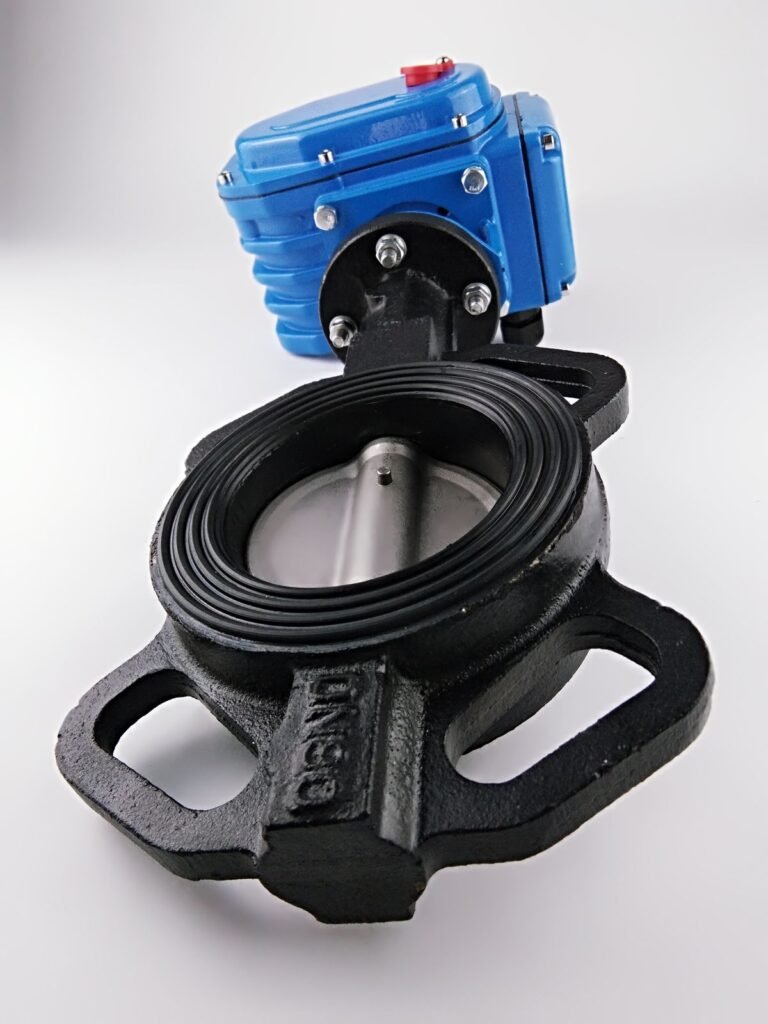
12. Valve Package Solutions for Different Industries
Water Treatment
Typical requirements include:
- Large valve sizes
- Reliable isolation
- Corrosion resistance
- Low maintenance
- Automated operation
Butterfly valve packages are common in large water pipelines.
Wastewater
Wastewater applications may involve:
- Suspended solids
- Debris
- Corrosion
- Abrasion
The valve and seat should be selected accordingly.
Chemical Processing
Chemical compatibility is critical.
The complete wetted assembly should be reviewed, not just the valve body.
Oil and Gas
Projects may involve:
- High pressure
- Hydrocarbons
- High temperature
- Automated isolation
- Strict testing requirements
Applicable project and industry standards should be identified before ordering.
HVAC
Valve packages can be used for:
- Chilled water
- Hot water
- Cooling water
Compact butterfly valve assemblies are common in these applications.
Desalination
Seawater can create demanding corrosion conditions, making material selection particularly important.
13. How to Choose a Valve Package Supplier
A good supplier should be evaluated across several areas.
| Evaluation Factor | Questions to Ask |
|---|---|
| Valve manufacturing | Can they manufacture the required valve? |
| Actuators | Can they provide compatible actuators? |
| Engineering | Can they calculate sizing and torque? |
| Testing | Can they test the complete package? |
| Materials | Can they provide suitable materials? |
| Customization | Can they meet special requirements? |
| Documentation | Can they provide complete project documents? |
| Capacity | Can they handle the required quantity? |
| Delivery | Can they meet the project schedule? |
| Support | Can they assist during commissioning? |
Don’t evaluate the supplier only on the valve’s unit price.
The value of a package supplier lies in integration and responsibility.
14. Common Mistakes When Buying Valve Packages
Buying the Valve and Actuator Separately Without Coordination
The components may technically fit but still perform poorly as an assembly.
Ignoring Torque Requirements
The actuator must be sized for actual operating conditions.
Not Defining Fail-Safe Requirements
Some applications require the valve to fail open, fail closed, or remain in position.
Forgetting Accessories
Solenoid valves, limit switches, positioners, and regulators may need to be included.
Not Checking Overall Dimensions
The actuator can significantly increase the overall valve package size.
Ignoring Maintenance Access
The package should allow operators and maintenance personnel to access relevant components.
Leaving Testing Until the End
Integrated testing requirements should be defined before production.
15. Valve Package Procurement Checklist
Before requesting a quotation, prepare the following information:
- Valve type
- Valve size
- Pressure rating
- Fluid
- Fluid concentration
- Operating pressure
- Operating temperature
- Flow rate
- Valve function
- Body material
- Internal materials
- Seat material
- Connection type
- Face-to-face dimension
- Actuator type
- Required torque/thrust
- Fail position
- Control signal
- Position feedback
- Accessories
- Testing requirements
- Inspection requirements
- Documentation requirements
- Delivery schedule
The more complete the initial specification, the fewer surprises are likely to appear later.
How a Valve Package Supplier Can Reduce Project Risk
A complete valve package supplier can provide a single point of technical coordination.
Instead of separately managing:
Valve Manufacturer → Actuator Supplier → Accessories Supplier → Assembly Contractor → Testing Company
the project can work with:
One Valve Package Supplier
This can simplify:
- Technical communication
- Purchase orders
- Drawing approval
- Assembly
- Testing
- Documentation
- Shipment
- Warranty discussions
For large EPC projects, that can save considerable time.
Frequently Asked Questions
What is a valve package supplier?
A valve package supplier provides complete valve assemblies rather than only individual valves. Depending on the project, the package can include valves, actuators, accessories, testing, documentation, and other related components.
What is normally included in a valve package?
A typical package can include the valve, actuator, gearbox where applicable, limit switches, position indicators, solenoid valves, positioners, mounting hardware, and project documentation. The exact scope should be agreed upon before ordering.
Why buy a complete valve package instead of individual components?
A complete package can improve component compatibility, simplify procurement, reduce coordination between suppliers, and provide a single point of responsibility for assembly and testing.
Which valves are commonly supplied as packages?
Butterfly valves, ball valves, gate valves, globe valves, and control valves can all be supplied as packages. The actuator and accessories depend on the valve design and application.
How is an actuator selected for a valve package?
The actuator is selected based on the valve’s required torque or thrust, differential pressure, temperature, operating frequency, control method, and required safety margin.
Can a valve package include electric or pneumatic actuators?
Yes. Electric, pneumatic, and hydraulic actuators can all be integrated into valve packages depending on the application.
What should EPC contractors request from a valve package supplier?
EPC contractors should define valve specifications, actuator requirements, accessories, testing, inspection, drawings, certificates, documentation, packaging, tagging, and delivery requirements.
Can valve packages be customized?
Yes. Depending on the manufacturer’s capabilities, packages can be customized with special materials, seats, coatings, dimensions, actuators, control accessories, and other project-specific requirements.
Why is integrated testing important?
Testing the complete valve and actuator assembly can identify compatibility or functional problems before shipment. This can reduce installation and commissioning issues at the project site.
How do I choose the best valve package supplier?
Evaluate engineering capability, valve and actuator compatibility, manufacturing quality, testing, documentation, customization, production capacity, delivery performance, and technical support rather than comparing price alone.
Conclusion
Choosing the right valve package supplier can simplify industrial valve procurement while improving technical coordination and project reliability. A complete package can combine the valve, actuator, accessories, testing, and documentation into one coordinated solution.
The selection process should begin with the actual operating conditions: fluid, pressure, temperature, flow rate, valve function, materials, connection, and automation requirements. From there, the supplier can determine the appropriate valve design, actuator, accessories, and testing requirements.
For EPC contractors and industrial operators, an experienced package supplier can also provide value throughout the project lifecycle—from technical clarification and engineering to manufacturing, inspection, delivery, and commissioning.
In the end, the best valve package isn’t simply a collection of components that fit together. It’s a properly engineered, tested, documented, and application-matched assembly that is ready to perform when it reaches the job site.