
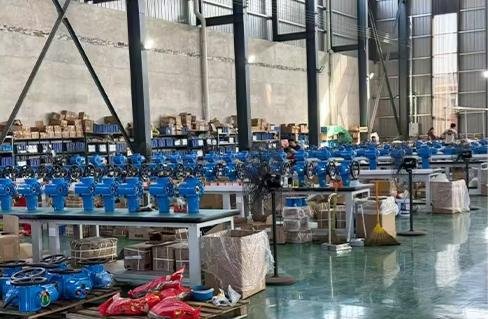
When purchasing valves for international projects, choosing the right butterfly valve exporter can be just as important as selecting the valve itself. Export orders involve more than manufacturing. Product specifications, quality control, documentation, packaging, shipping, customs requirements, and communication all need to work together.
Butterfly valves are widely used in water treatment, wastewater systems, HVAC, cooling water, desalination, chemical processing, power plants, marine applications, and industrial pipelines. Because these projects often involve different standards and operating conditions, international buyers need a supplier that understands both valve technology and export procedures.
A reliable exporter should be able to provide the correct valve configuration, clear technical documentation, consistent quality, professional packaging, and dependable logistics support.
For projects requiring flanged industrial valves, you can also explore our flanged valve product range.
What Does a Butterfly Valve Exporter Do?
A butterfly valve exporter supplies valves to customers in overseas markets and manages the commercial and logistical requirements associated with international orders.
Depending on the company’s capabilities, services may include:
- Standard butterfly valve supply
- Industrial valve sourcing
- OEM manufacturing
- Private-label production
- Actuator assembly
- Technical consultation
- Quality inspection
- Pressure testing
- Export packaging
- Shipping coordination
- Documentation support
A strong exporter should understand that different markets may have different expectations for:
- Valve standards
- Flange dimensions
- Materials
- Pressure ratings
- Certifications
- Marking
- Documentation
- Packaging
This knowledge helps reduce misunderstandings between the buyer and supplier.
Why Is Choosing the Right Butterfly Valve Exporter Important?
International valve procurement involves more risks than a simple domestic purchase.
A problem with the product can result in:
- Installation delays
- Customs issues
- Additional freight costs
- Replacement expenses
- Project schedule problems
- Difficult warranty claims
The exporter should therefore be able to coordinate technical, commercial, and logistical details.
Important Evaluation Factors
When comparing exporters, consider:
- Product range
- Manufacturing source
- Material quality
- Pressure ratings
- Applicable standards
- Testing procedures
- Certifications
- OEM capabilities
- Packaging
- Export experience
- Logistics support
- After-sales service
A competitive price is useful, but reliable international delivery requires much more than a low quotation.
1. Types of Butterfly Valves Available for Export
A professional exporter may offer several butterfly valve designs.
Concentric Butterfly Valves
Concentric butterfly valves are widely used for general pipeline isolation.
Typical applications include:
- Drinking water
- Wastewater
- HVAC
- Cooling water
- Irrigation
- Utility systems
They commonly use resilient seats such as EPDM or NBR.
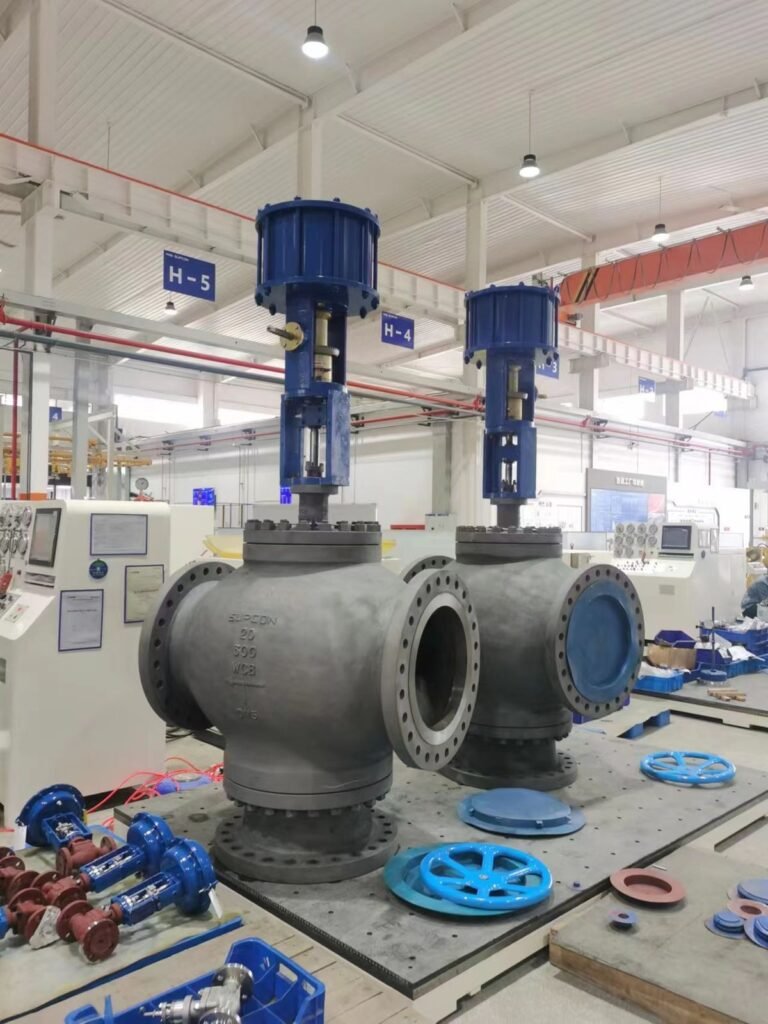
Double Offset Butterfly Valves
Double offset designs move the shaft away from the centerline of the disc and sealing surface.
This reduces rubbing during operation and can help reduce seat wear.
They’re often considered for more demanding industrial applications.
Triple Offset Butterfly Valves
Triple offset butterfly valves use a specialized sealing geometry.
They’re commonly considered for applications involving:
- High temperature
- Steam
- Hydrocarbons
- Higher-pressure service
- Metal-to-metal sealing
The correct design depends on the actual process requirements.
2. Materials for Export Butterfly Valves
International customers may require different materials depending on the application and regional standards.
Common valve body materials include:
| Material | Typical Applications |
|---|---|
| Cast iron | General water and HVAC |
| Ductile iron | Water and industrial systems |
| Carbon steel | Process and industrial service |
| Stainless steel | Corrosive applications |
| Aluminum bronze | Marine and selected seawater applications |
Internal components can also be manufactured from different materials.
Common choices include:
- Stainless steel
- Aluminum bronze
- Carbon steel
- Special alloys
- Coated materials
The exporter should provide a clear material specification rather than simply describing the valve as “industrial grade.”
3. Butterfly Valve Seat Materials
Seat selection is particularly important because different fluids can affect elastomer performance.
EPDM
Commonly selected for:
- Drinking water
- Wastewater
- Cooling water
- General water service
NBR
Often considered for selected oil and hydrocarbon applications.
PTFE
Provides strong chemical resistance and may be suitable for specific chemical services.
FKM
Can be considered for certain hydrocarbon, chemical, and elevated-temperature applications.
Metal Seat
Metal-seated valves may be selected for demanding high-temperature applications where resilient materials aren’t suitable.
The seat should be selected based on the actual fluid, temperature, pressure, and service conditions.
4. Pressure Ratings and International Standards
Butterfly valves for export markets can be supplied with different pressure ratings.
Common ratings include:
- PN10
- PN16
- PN25
- Class 150
However, buyers should confirm more than the nominal pressure.
Important specifications include:
- Maximum working pressure
- Differential pressure
- Operating temperature
- Pressure-temperature limitations
- Leakage requirements
Connection Standards
Export valves may need to comply with different connection standards, including:
- EN standards
- ASME standards
- DIN dimensions
- Other project-specific specifications
The buyer should clearly identify the required standard in the RFQ.
5. Valve Dimensions and Compatibility
International buyers shouldn’t assume that valves with the same nominal size are interchangeable.
Important dimensions can include:
- Face-to-face length
- Flange outside diameter
- Bolt-hole pattern
- Bolt-hole diameter
- Valve overall dimensions
- Actuator mounting dimensions
For replacement projects, the existing valve should be carefully measured or its original technical documentation reviewed.
This simple step can prevent costly installation problems.
6. Manual and Actuated Butterfly Valves
An experienced exporter should be able to supply both manual and automated configurations.
Manual Butterfly Valves
Common operating options include:
- Lever
- Gearbox
- Chain wheel
Electric Actuated Valves
Electric actuators can provide:
- Remote operation
- PLC integration
- Position feedback
- Automated isolation
- Flow control
Pneumatic Actuated Valves
Pneumatic actuators are widely used in industrial automation.
They can be supplied as:
- Double acting
- Spring return
Hydraulic Actuated Valves
Hydraulic actuation can be selected where high operating force is required.
Complete valve assemblies may also include:
- Solenoid valves
- Limit switches
- Position indicators
- Positioners
- Manual overrides
- Junction boxes
7. Actuator Torque and Valve Sizing
For automated export orders, actuator sizing needs careful attention.
Required torque depends on factors such as:
- Valve diameter
- Seat material
- Differential pressure
- Disc design
- Fluid
- Temperature
- Operating frequency
The actuator shouldn’t be selected simply by matching the valve mounting interface.
A qualified supplier should calculate or verify the required operating torque and select an actuator with an appropriate safety margin.
Fail-Safe Requirements
Some industrial applications require the valve to:
- Fail open
- Fail closed
- Remain in position
These requirements should be specified before production.
8. Quality Control Before Export
Quality control becomes especially important when the customer and manufacturer are in different countries.
A typical quality-control process may include:
Incoming Material Inspection
Components and raw materials are checked against purchasing requirements.
Machining Inspection
Critical dimensions are verified during production.
Assembly Inspection
The correct components are installed according to the approved design.
Pressure Testing
The completed valve undergoes the specified pressure tests.
Leakage Testing
Seat sealing performance is checked.
Functional Testing
The valve is opened and closed to verify operation.
Final Inspection
The finished product is checked for:
- Dimensions
- Marking
- Appearance
- Operation
- Coating
- Packaging
For major projects, buyers may also arrange third-party inspection before shipment.
9. Export Documentation
One major difference between domestic purchasing and international procurement is documentation.
Depending on the project and destination, an exporter may need to provide:
- Commercial invoice
- Packing list
- Bill of lading or shipping document
- Certificate of origin
- Material certificates
- Pressure test reports
- Inspection reports
- Product datasheets
- Drawings
- Certificates of conformity
- Operation manuals
For EPC projects, additional documentation may be required according to the project’s document-control system.
The exact requirements should be agreed before production begins.
Butterfly Valve Exporter for OEM and Private Label Orders
Many overseas distributors don’t want generic products. They need valves sold under their own brand.
An experienced exporter may support:
- Customer logos
- Custom nameplates
- Private packaging
- Product markings
- Customized documentation
- Special coatings
- Custom specifications
OEM orders may also involve:
- Special body materials
- Custom disc materials
- Alternative seat compounds
- Modified dimensions
- Special connections
- Actuator packages
For repeat orders, consistency is particularly important.
A supplier should maintain the agreed specifications from one production batch to the next.
Butterfly Valve Exporter for EPC Contractors
EPC contractors often need suppliers that can manage both technical and export requirements.
A project may require:
- Valve datasheets
- Technical drawings
- Valve schedules
- Material certificates
- Inspection plans
- Test reports
- Actuator documentation
- Certificates
- Spare-parts lists
- Operation manuals
A typical international project workflow may look like:
RFQ → Technical Review → Quotation → Clarification → Order → Drawing Approval → Production → Inspection → Testing → Documentation → Packing → Shipment
A supplier that can coordinate these stages effectively can help reduce procurement risk.
How to Choose a Butterfly Valve Exporter
Don’t evaluate an exporter solely by its website or quotation.
Consider the following:
| Evaluation Factor | What to Check |
|---|---|
| Manufacturing source | Who actually makes the valve? |
| Product range | Types, sizes, materials, ratings |
| Engineering | Technical support |
| Quality control | Inspection procedures |
| Testing | Shell and seat tests |
| Certifications | Applicable project requirements |
| OEM service | Branding and customization |
| Documentation | Export and technical documents |
| Packaging | Protection for international transport |
| Logistics | Shipping experience |
| Capacity | Ability to handle large orders |
| Delivery | Lead-time reliability |
| Communication | Response speed and clarity |
| After-sales | Warranty and technical support |
For large or critical orders, a factory audit or third-party inspection can provide additional confidence.
Export Packaging for Butterfly Valves
Good packaging is often overlooked.
Butterfly valves can travel thousands of kilometers and may be exposed to:
- Humidity
- Salt air
- Vibration
- Impact
- Dust
- Temperature changes
Export packaging should protect:
- Valve body
- Disc
- Seat
- Flanges
- Actuator
- Accessories
- Coated surfaces
Depending on the shipment, packaging may include:
- Wooden cases
- Plywood crates
- Pallets
- Protective covers
- Moisture protection
- Internal restraints
The packaging method should match the transportation method and destination.
Shipping and Logistics Considerations
A reliable exporter should understand the practical side of international shipping.
Before placing an order, confirm:
- Incoterms
- Shipping method
- Port of loading
- Destination port
- Lead time
- Packing dimensions
- Gross weight
- Net weight
- Shipping marks
- Required export documents
For large-diameter butterfly valves, freight costs can become significant because of size and weight.
Good packaging and accurate shipping information can make logistics much smoother.
Butterfly Valve Exporter vs Manufacturer
These two terms aren’t always interchangeable.
A manufacturer primarily produces the valve.
An exporter may be:
- The manufacturer itself
- A dedicated export company
- A trading company
- A distributor working with manufacturers
For buyers, the important question is who controls:
- Product specifications
- Manufacturing
- Quality control
- Testing
- Documentation
- Warranty
- Technical support
If customization or OEM production is required, direct access to the actual factory can be especially useful.
Common Mistakes When Choosing a Butterfly Valve Exporter
Choosing Only by Price
A low quotation may exclude important items such as testing, certificates, accessories, or export packaging.
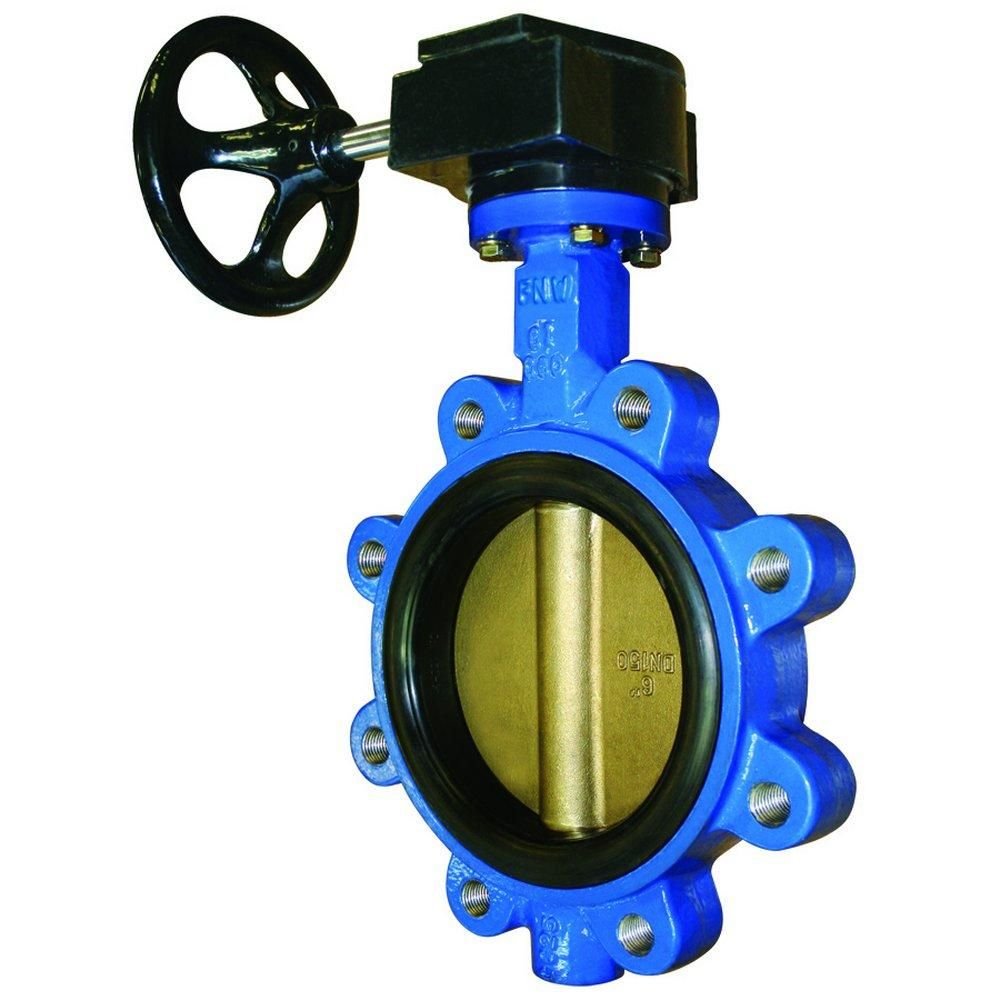
Not Confirming the Manufacturing Source
Ask whether the exporter is the manufacturer or represents another factory.
Ignoring International Standards
The valve must match the applicable project and piping standards.
Not Confirming Documentation
Missing certificates or test reports can cause problems during project acceptance.
Ignoring Packaging
Poor packaging can result in damage during ocean or land transportation.
Not Checking Actuator Details
For automated valves, confirm actuator brand, torque, power supply, control mode, and accessories.
Failing to Clarify Incoterms
Both parties should understand who is responsible for freight, insurance, customs, and delivery at each stage.
Butterfly Valve Exporter Selection Checklist
Before placing an international order, confirm:
- Valve type
- Valve size
- Pressure rating
- Body material
- Disc material
- Shaft material
- Seat material
- Fluid
- Operating pressure
- Operating temperature
- Connection type
- Flange standard
- Face-to-face dimension
- Manual or actuated operation
- Actuator type
- Required torque
- Fail position
- Accessories
- Testing requirements
- Inspection requirements
- Certificates
- Technical documentation
- OEM requirements
- Export packaging
- Incoterms
- Shipping method
- Delivery schedule
Frequently Asked Questions
What does a butterfly valve exporter do?
A butterfly valve exporter supplies valves to international customers and manages the commercial, technical, documentation, packaging, and shipping requirements associated with overseas orders.
How do I choose a reliable butterfly valve exporter?
Evaluate the exporter’s manufacturing source, product range, engineering support, quality control, testing, certifications, documentation, OEM capabilities, packaging, logistics experience, and after-sales service.
What butterfly valve types can be exported?
Common products include concentric, double offset, triple offset, wafer, lug, and flanged butterfly valves.
What materials are available for export butterfly valves?
Common materials include cast iron, ductile iron, carbon steel, stainless steel, and aluminum bronze. Seat materials may include EPDM, NBR, PTFE, FKM, and metal.
Can a butterfly valve exporter provide OEM products?
Yes. OEM services can include private labeling, custom nameplates, packaging, markings, special materials, customized specifications, and actuator assemblies.
What documents should I request from an exporter?
Depending on the project, documents may include datasheets, drawings, material certificates, pressure test reports, inspection reports, certificates of conformity, commercial invoices, packing lists, and certificates of origin.
How should butterfly valves be packaged for export?
Packaging should protect the valve from impact, moisture, vibration, dust, and corrosion during transportation. Wooden cases, plywood crates, pallets, protective covers, and moisture protection may be used depending on the shipment.
Can an exporter supply actuated butterfly valves?
Yes. Electric, pneumatic, and hydraulic actuated butterfly valves can be supplied as complete assemblies, often with accessories such as limit switches, solenoid valves, position indicators, or positioners.
Why is third-party inspection useful for export orders?
Third-party inspection can provide an independent check of product dimensions, materials, testing, workmanship, and documentation before shipment. It’s particularly useful for large or critical projects.
What should be included in an international butterfly valve RFQ?
An RFQ should ideally include valve size, type, pressure rating, materials, seat, fluid, temperature, pressure, connection standard, actuator requirements, testing, certificates, quantity, delivery destination, and documentation requirements.
Conclusion
Choosing the right butterfly valve exporter requires more than finding a competitive quotation. International buyers need to consider the complete supply chain, from valve engineering and manufacturing through inspection, documentation, export packaging, shipping, and after-sales support.
Before ordering, clearly define the valve type, materials, pressure rating, operating conditions, connection standard, actuator requirements, testing, documentation, packaging, and delivery terms.
For distributors, EPC contractors, OEM customers, and industrial operators, a dependable export partner can make international procurement much easier and more predictable.
The best exporter isn’t necessarily the one offering the lowest price. It’s the one that can consistently deliver technically suitable, properly tested, well-documented, securely packaged butterfly valves while communicating clearly throughout the entire international order process.