
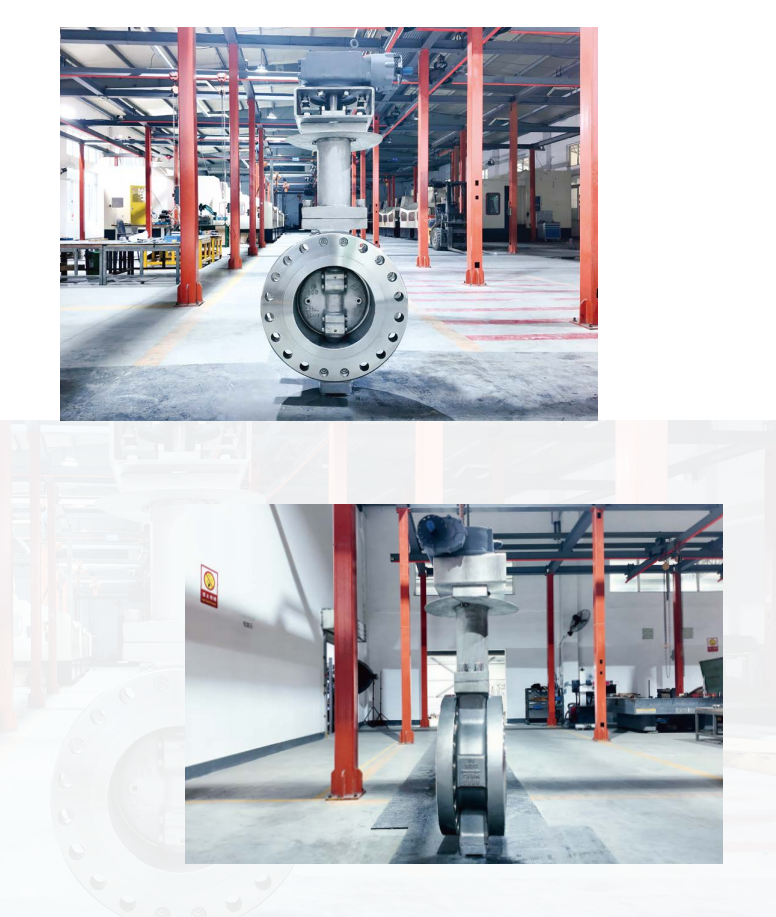
A reliable butterfly valve trading company can be a valuable sourcing partner for distributors, EPC contractors, engineering companies, industrial plants, OEMs, and international buyers. Trading companies can connect customers with suitable manufacturers, coordinate international procurement, manage documentation, and arrange shipping for different types of industrial valves.
Butterfly valves are widely used in water treatment, wastewater systems, HVAC, cooling water, desalination, chemical processing, power generation, marine applications, fire protection, and general industrial pipelines.
However, choosing a trading company requires a slightly different approach from choosing a direct manufacturer. A trading company may work with several factories, so buyers need to understand where the valves come from, how quality is controlled, who provides technical support, and how specifications are maintained across orders.
For industrial projects requiring flanged valve configurations, you can also explore our flanged valve product range.
What Is a Butterfly Valve Trading Company?
A butterfly valve trading company is a business that sources and supplies butterfly valves from manufacturers to customers in domestic or international markets.
Unlike a factory, a trading company may not manufacture the valves itself. Instead, it can coordinate with one or more manufacturing partners.
Typical services may include:
- Product sourcing
- Supplier coordination
- Price negotiation
- Technical communication
- Quality inspection
- Export documentation
- Packaging
- Logistics
- Customer service
- After-sales coordination
Some trading companies specialize in particular valve categories, while others supply a broad range of industrial flow-control products.
Trading Company vs. Manufacturer
| Trading Company | Manufacturer |
|---|---|
| Sources products from factories | Produces the valves |
| May work with multiple manufacturers | Controls its own production |
| Can offer multiple product ranges | Usually specializes in its own products |
| Often handles export coordination | Provides direct factory support |
| Can simplify international sourcing | Can provide deeper customization |
A trading company can be especially useful when buyers need several valve types from different manufacturing sources.
Why Work With a Butterfly Valve Trading Company?
International buyers may choose a trading company because it can simplify the purchasing process.
Multiple Manufacturing Sources
A trading company may have access to several factories, allowing customers to compare different:
- Valve designs
- Materials
- Pressure ratings
- Sizes
- Actuators
- Price levels
Simplified Communication
Instead of communicating with several factories, the customer can work through one commercial contact.
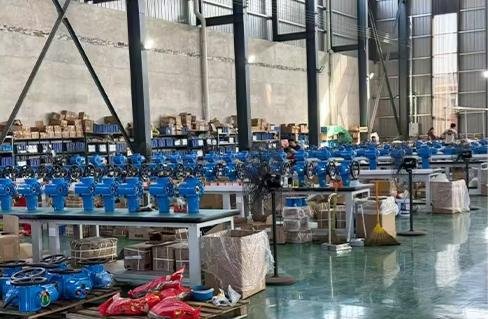
Export Experience
Experienced trading companies may understand:
- Commercial invoices
- Packing lists
- Shipping documents
- Export packaging
- Customs requirements
- International logistics
Product Consolidation
A customer may be able to purchase butterfly valves and other industrial valves through the same supplier.
1. Verify the Actual Valve Manufacturer
This should be one of the first checks.
Ask the trading company:
- Who manufactures the valves?
- Where are they manufactured?
- Is the factory audited?
- How long has the factory produced valves?
- Can factory inspection be arranged?
- Are production records available?
The trading company doesn’t necessarily need to own a factory, but it should be transparent about the product source.
Why Source Transparency Matters
If a problem occurs, you need to know who is responsible for:
- Engineering
- Manufacturing
- Testing
- Replacement
- Warranty
- Technical corrections
A transparent supply chain makes these processes much easier.
2. Evaluate the Butterfly Valve Product Range
A professional trading company should be able to clearly identify the valve types it supplies.
Common butterfly valve designs include:
- Wafer butterfly valves
- Lug butterfly valves
- Flanged butterfly valves
- Double flanged butterfly valves
- Grooved butterfly valves
- Concentric butterfly valves
- Double offset butterfly valves
- Triple offset butterfly valves
Operating options may include:
- Lever operated
- Gear operated
- Chain wheel
- Electric actuator
- Pneumatic actuator
- Hydraulic actuator
A trading company with multiple qualified manufacturing partners may be able to source different configurations for different applications.
3. Check Materials and Fluid Compatibility
Material selection must match the operating environment.
Common body materials include:
| Material | Typical Applications |
|---|---|
| Cast iron | General water and HVAC |
| Ductile iron | Water and industrial service |
| Carbon steel | Industrial and process systems |
| Stainless steel | Corrosive applications |
| Aluminum bronze | Marine and selected seawater applications |
Seat materials may include:
- EPDM
- NBR
- PTFE
- FKM
- Metal
A good trading company should collect application information before recommending a specific configuration.
Important information includes:
- Fluid
- Pressure
- Temperature
- Concentration
- Flow conditions
- Operating frequency
This helps avoid unsuitable material combinations.
4. Confirm Pressure Ratings and Standards
Common butterfly valve pressure ratings include:
- PN10
- PN16
- PN25
- Class 150
But the pressure rating shouldn’t be considered in isolation.
Also verify:
- Maximum working pressure
- Differential pressure
- Temperature limits
- Pressure-temperature relationship
- Leakage requirements
- Design standard
- Testing standard
The applicable standard should be clearly stated in the technical quotation.
5. Review Quality Control
Because a trading company may purchase from external factories, quality-control procedures are especially important.
Ask how the trading company controls its manufacturing partners.
A strong process may include:
Supplier Qualification → Specification Confirmation → Material Control → Production Monitoring → Inspection → Pressure Testing → Leakage Testing → Final Inspection → Packaging
The trading company may conduct:
- Pre-production inspections
- In-process inspections
- Final inspections
- Third-party inspections
For large or critical orders, customers may also appoint independent inspection agencies.
6. Check Testing and Documentation
A reliable trading company should be able to provide appropriate technical documentation from its manufacturing partners.
Depending on the project, this may include:
- Product datasheets
- Technical drawings
- Material certificates
- Pressure-test reports
- Leakage-test reports
- Certificates of conformity
- Inspection reports
- Actuator documents
- Operation manuals
Why Documentation Matters
Documentation helps customers verify that the delivered products match the approved specifications.
This is particularly important for:
- EPC projects
- Government projects
- Water treatment facilities
- Chemical plants
- Power projects
- Export orders
Documentation requirements should be defined before production begins.
7. Evaluate Technical Support
A trading company shouldn’t simply forward a manufacturer’s catalog.
A capable supplier should understand basic valve selection principles.
Technical support may include:
- Valve sizing
- Material selection
- Seat selection
- Pressure-rating selection
- Connection selection
- Actuator sizing
- Torque verification
- Drawing review
- Installation guidance
Ask Application Questions
A competent supplier should ask:
- What’s the fluid?
- What’s the operating pressure?
- What’s the temperature?
- What valve size is required?
- Is the valve for isolation or control?
- How frequently will it operate?
- Is actuation required?
- What connection standard is required?
These questions help separate a technical supplier from a purely commercial intermediary.
8. Evaluate Pricing and Commercial Transparency
Trading companies can sometimes obtain competitive prices because they source from several factories.
However, buyers should understand exactly what’s included in the quotation.
Check:
- Valve price
- Actuator price
- Testing cost
- Documentation cost
- Packaging
- Inspection
- Freight
- Incoterms
- Payment terms
- Warranty
Don’t Compare Different Specifications
A cheaper valve may have:
- Different body material
- Lower-grade components
- Different seat material
- Different testing requirements
- Different actuator
- Different coating
Always compare technically equivalent quotations.
9. Check OEM and Private-Label Services
Some trading companies support customers that want to sell valves under their own brands.
Potential services include:
- Customer logo
- Nameplate
- Packaging
- Product code
- Customized documentation
- Special specifications
The trading company may coordinate these requirements with the manufacturing factory.
OEM Supply Chain
A typical process can be:
Customer Specification → Trading Company → Factory Engineering → Sample → Approval → Mass Production → Inspection → Shipment
For private-label products, specification control is particularly important.
10. Evaluate International Shipping Capability
For overseas buyers, logistics can be a major part of the procurement process.
An experienced trading company should understand:
- Export packaging
- Container loading
- Palletization
- Wooden cases
- Shipping documentation
- Customs coordination
- Freight arrangements
Important Shipping Documents
Depending on the transaction, documentation may include:
- Commercial invoice
- Packing list
- Bill of lading
- Certificate of origin
- Inspection documents
- Product certificates
The exact requirements depend on the destination country and trade terms.
Butterfly Valve Trading Company for EPC Contractors
EPC contractors often need suppliers capable of managing detailed project requirements.
A trading company may coordinate:
- Technical submittals
- Drawings
- Material certificates
- Inspection plans
- Test reports
- Actuator documentation
- Certificates
- Packaging
- Shipment
A typical workflow is:
RFQ → Technical Review → Quotation → Clarification → Supplier Approval → Purchase Order → Drawing Approval → Production → Inspection → Testing → Documentation → Shipment
The trading company acts as the communication bridge between the EPC contractor and manufacturing factory.
Butterfly Valve Trading Company for Distributors
Distributors often want flexible sourcing and competitive pricing.
A trading company may provide access to:
- Standard butterfly valves
- Industrial butterfly valves
- Actuated valves
- Replacement parts
- Multiple materials
- Different pressure ratings
It can also help consolidate products from different factories.
For distributors, important factors include:
- Stable pricing
- Product consistency
- Lead time
- Private labeling
- Packaging
- Repeat-order capability
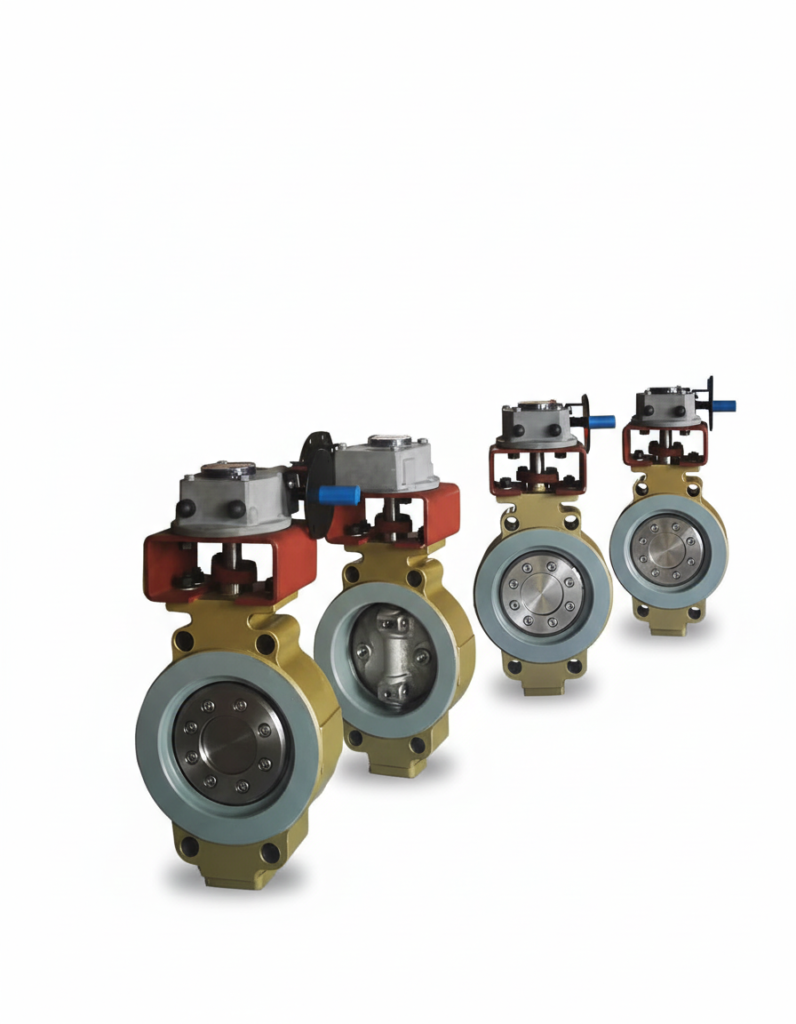
Butterfly Valve Trading Company for OEM Buyers
OEM customers usually have stricter requirements.
They may need:
- Custom dimensions
- Special materials
- Dedicated product codes
- Customer branding
- Customized packaging
- Actuator integration
- Long-term supply
The trading company should have strong communication with the actual manufacturer to ensure specifications aren’t lost between the customer and factory.
Manual and Actuated Butterfly Valves
A trading company may source both manual and automated configurations.
Manual Butterfly Valves
Common options include:
- Lever
- Gearbox
- Chain wheel
Electric Actuator Butterfly Valves
Used for applications requiring:
- Remote operation
- Automated isolation
- PLC integration
- Position feedback
Pneumatic Actuator Butterfly Valves
Common in automated industrial systems.
They may use:
- Double-acting actuators
- Spring-return actuators
Hydraulic Butterfly Valves
Hydraulic operation can be suitable where higher operating forces are required.
For any actuated valve, verify the required torque and actuator sizing before finalizing the purchase.
How to Audit a Butterfly Valve Trading Company
Before establishing a long-term relationship, evaluate the company carefully.
Supplier Network
Does it have stable relationships with qualified valve manufacturers?
Technical Team
Can its staff understand specifications and application requirements?
Quality Management
Does it inspect products before shipment?
Documentation
Can it provide complete project documentation?
Logistics
Does it have experience with international shipping?
After-Sales Service
Can it coordinate replacement products and technical support?
A trading company that performs well in all these areas can provide much more value than a company that simply forwards factory quotations.
Common Red Flags
Be cautious if a trading company:
- Refuses to identify the manufacturer
- Cannot provide technical drawings
- Gives unclear material specifications
- Cannot explain pressure ratings
- Has no testing documentation
- Changes factories without informing customers
- Offers inconsistent specifications between orders
- Provides unusually low prices without explanation
- Cannot explain delivery schedules
- Has no clear warranty process
Transparency is particularly important when buying through an intermediary.
Butterfly Valve Trading Company Selection Checklist
Before placing an order, confirm:
- Actual manufacturer
- Factory qualification
- Product range
- Valve type
- Valve size
- Pressure rating
- Design standard
- Body material
- Disc material
- Shaft material
- Seat material
- Connection
- Face-to-face dimension
- Operating method
- Actuator requirements
- Torque
- Testing
- Inspection
- Certifications
- Technical documentation
- OEM capability
- Packaging
- Shipping terms
- Lead time
- Warranty
- After-sales support
Frequently Asked Questions
What is a butterfly valve trading company?
A butterfly valve trading company sources and supplies butterfly valves from manufacturers to industrial and commercial customers. It may also provide procurement, inspection, logistics, documentation, and after-sales coordination.
Is a trading company the same as a butterfly valve manufacturer?
No. A manufacturer produces the valves, while a trading company generally sources products from manufacturers. Some businesses operate as both trading companies and manufacturers.
Why buy butterfly valves through a trading company?
A trading company can simplify sourcing, provide access to multiple manufacturers, consolidate different products, negotiate pricing, manage export documentation, and coordinate international shipping.
How can I verify the actual manufacturer?
Ask for the factory name, manufacturing location, product documentation, factory photographs, certifications, inspection records, and, for important projects, consider arranging a factory audit.
Can a trading company provide OEM butterfly valves?
Yes. Some trading companies coordinate OEM and private-label production with their manufacturing partners, including logos, nameplates, packaging, product codes, and customized specifications.
Can a trading company supply different butterfly valve materials?
Yes. Depending on its manufacturing network, it may source cast iron, ductile iron, carbon steel, stainless steel, aluminum bronze, and various seat materials.
Can a trading company provide actuated butterfly valves?
Many can source complete assemblies with electric, pneumatic, or hydraulic actuators. The actuator should be selected based on the valve’s actual operating torque and control requirements.
What documents should I request?
Depending on the project, request datasheets, drawings, material certificates, pressure-test reports, leakage-test reports, inspection records, certificates, and actuator documentation.
How do I compare two trading companies?
Compare their manufacturer network, technical knowledge, quality-control procedures, pricing, documentation, inspection capability, logistics experience, lead time, OEM support, and after-sales service.
Should I buy directly from a factory instead?
Direct factory purchasing can be attractive for large-volume or highly customized orders. A trading company may be more convenient when you need multiple products, supplier consolidation, international sourcing, or additional procurement support.
Conclusion
Choosing the right butterfly valve trading company requires careful evaluation because the trading company may not be the actual manufacturer.
The most important factors are source transparency, manufacturing capability, product quality, technical support, testing, documentation, pricing, OEM services, logistics, and after-sales support.
For distributors, a trading company can simplify sourcing and provide access to multiple product ranges. For EPC contractors, it can coordinate technical documentation, inspections, and factory communication. For OEM buyers, it can manage customized products and private-label manufacturing.
Before placing an order, always confirm the actual manufacturer, valve specifications, materials, pressure rating, seat, connection, actuator requirements, testing standards, documentation, quantity, lead time, and shipping terms.
The best trading company isn’t simply a middleman with a low quotation. It’s a reliable supply-chain partner that can connect you with qualified manufacturers, control product specifications, manage quality, and deliver the right butterfly valves on schedule.