
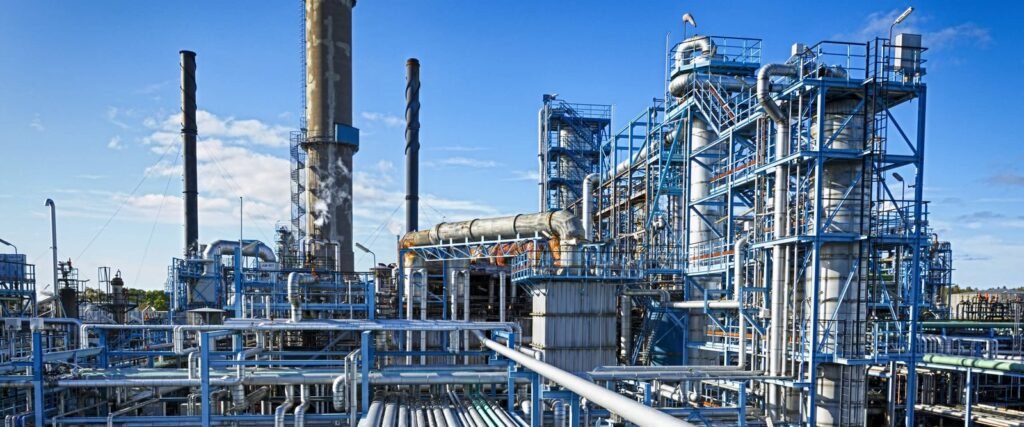
A ball valve is one of the most widely used mechanical devices for controlling the flow of liquids and gases in pipelines. Known for its durability, tight sealing, and ease of operation, it is a preferred choice across industries ranging from oil and gas to residential plumbing.
At the heart of its function lies the Ball Valve, which uses a rotating ball with a bore to regulate fluid flow efficiently.
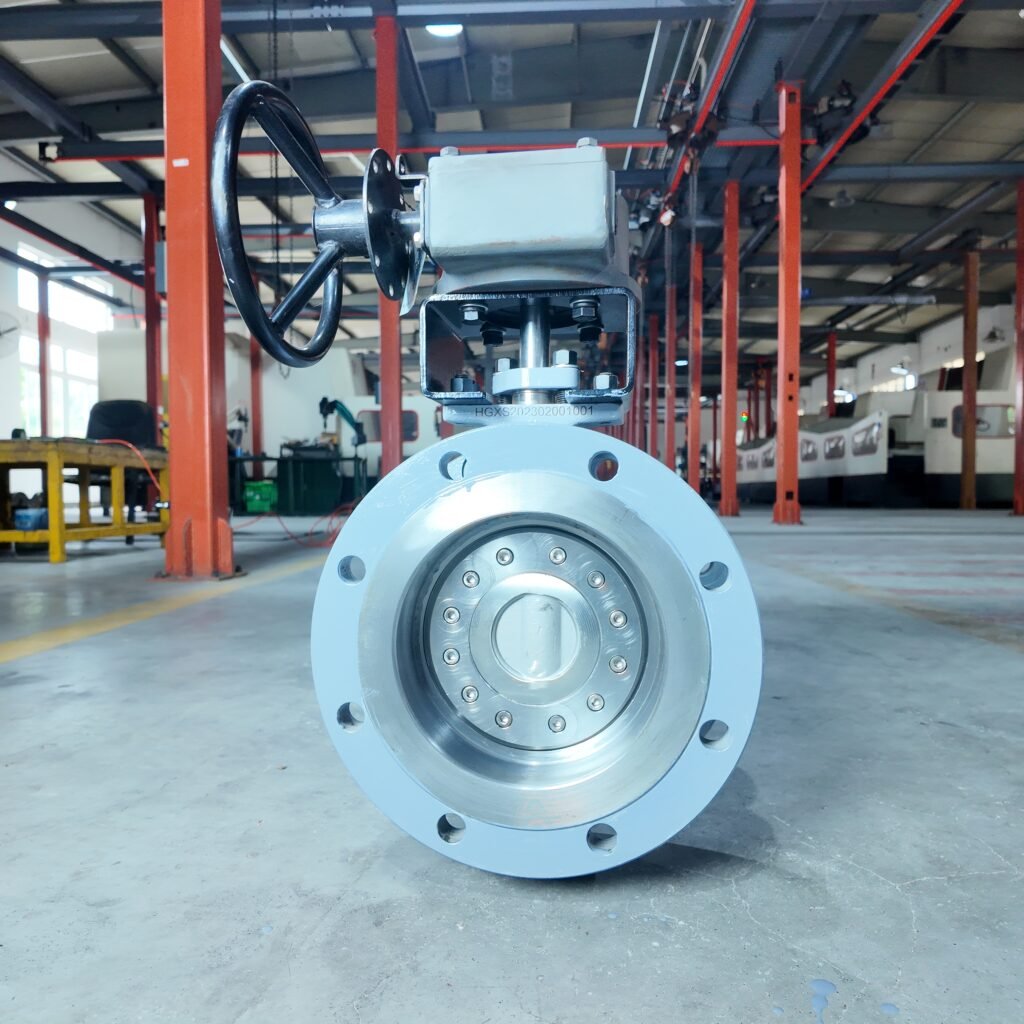
Introduction to Ball Valves
Ball valves are essential components in modern fluid handling systems.
What Is a Ball Valve
A ball valve is a quarter-turn valve that uses a hollow, perforated ball to control fluid flow. When the valve handle is turned, the ball rotates to either allow or block the flow.
Key features include:
- Simple operation
- Tight shut-off capability
- Long service life
- Versatility across applications
Importance in Fluid Control Systems 💧
Ball valves are critical for:
- Controlling flow in pipelines
- Ensuring leak-proof sealing
- Providing quick shut-off in emergencies
- Enhancing system efficiency
Working Principle of Ball Valve ⚙️
Quarter-Turn Operation
The valve operates by rotating the ball 90 degrees:
- Open position: Hole aligned with flow
- Closed position: Hole perpendicular to flow
Flow Control Mechanism
The internal ball regulates flow by either allowing full passage or completely blocking it, ensuring precise control.
Key Components of a Ball Valve
Valve Body
The outer casing that houses all internal components.
Ball and Stem
The ball controls flow, while the stem connects it to the handle.
Seats and Seals
Provide tight sealing to prevent leakage.
Types of Ball Valves 🔍
Floating Ball Valve
The ball is supported by seats and moves slightly under pressure.
Trunnion Ball Valve
The ball is fixed and supported by a shaft, suitable for high-pressure systems.
Full Port vs Reduced Port
- Full port: Maximum flow with minimal pressure drop
- Reduced port: Smaller bore, lower cost
Materials Used in Ball Valves 🏗️
Stainless Steel
Offers corrosion resistance and durability.
Brass and Bronze
Common in residential and low-pressure systems.
Plastic and PVC
Used for lightweight and chemical-resistant applications.
Advantages of Ball Valve 🌟
Tight Sealing Capability
Provides excellent leak-proof performance.
Quick Operation
Quarter-turn design allows fast opening and closing.

Durability and Low Maintenance
Requires minimal upkeep and has a long lifespan.
Applications of Ball Valve 🏭
Oil and Gas Industry
Used for controlling flow in pipelines and refineries.
Water Treatment Systems
Regulate water flow and pressure.
Chemical Processing
Handle corrosive and hazardous fluids.
Residential Plumbing
Used in household water supply systems.
How to Choose the Right Ball Valve 🔍
Pressure and Temperature Ratings
Ensure compatibility with system conditions.
Material Compatibility
Select materials suitable for the fluid type.
Size and Connection Type
Choose based on pipeline dimensions and fittings.
Maintenance and Troubleshooting 🛠️
Common practices include:
- Regular inspection for leaks
- Cleaning internal components
- Replacing worn seals
- Ensuring proper operation
Standards and Certifications
API Standards
Ensure performance in oil and gas applications.
ISO Standards
Provide international quality assurance.
Future Trends in Ball Valve Technology 🚀
Smart Valves
Integration with sensors for remote monitoring.
Automated Actuation
Electric and pneumatic actuators for precise control.
Eco-Friendly Materials
Sustainable and corrosion-resistant materials.
Improved Sealing Technologies
Enhanced durability and leak prevention.
Frequently Asked Questions
What is a ball valve used for?
It is used to control the flow of liquids and gases in pipelines.
How does a ball valve work?
It uses a rotating ball with a hole to allow or block flow.
What are the main types of ball valves?
Floating, trunnion, full port, and reduced port.
Are ball valves durable?
Yes, they are known for long service life and low maintenance.
Where are ball valves used?
In oil and gas, water systems, chemical plants, and homes.
Can ball valves handle high pressure?
Yes, especially trunnion ball valves are designed for high-pressure applications.
Conclusion
A ball valve is a versatile and reliable solution for fluid control in modern systems. Built around the efficient Ball Valve mechanism, it offers durability, precision, and ease of use across a wide range of applications.
As industries evolve, ball valves continue to advance with smart technologies and improved materials, ensuring efficient and sustainable flow control for the future. 🔧