
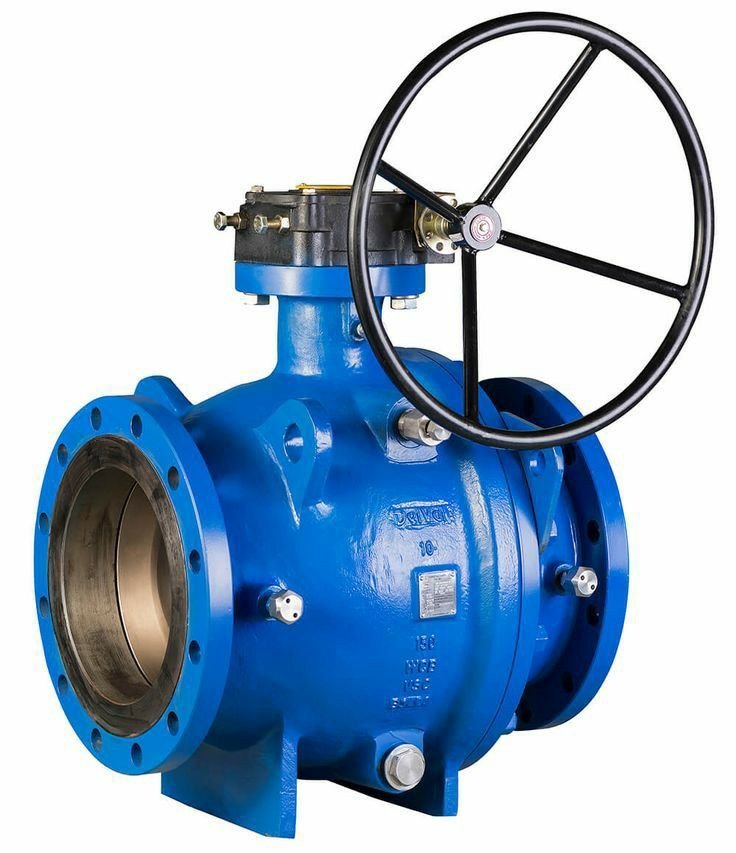
A double offset butterfly valve is an advanced type of butterfly valve designed to improve sealing performance and reduce friction during operation. With its unique offset disc design, this valve offers enhanced durability and efficiency compared to traditional butterfly valves.
The double offset butterfly valve is widely used in industries that require reliable flow control under moderate to high pressure and temperature conditions.
🔍 What Is a Double Offset Butterfly Valve?
Definition and Structure
This valve features two offsets:
- The shaft is positioned behind the disc
- The shaft is offset from the centerline of the pipe
This design minimizes contact between the disc and seat, reducing wear and extending service life.
Key Components
- Valve body
- Offset disc
- Stem
- Seat
- Actuator
👉 Explore valve solutions here:
https://hongonvalve.com/
⚙️ How Does a Double Offset Butterfly Valve Work?
Working Principle
The valve operates with a quarter-turn rotation:
- Open: Disc moves away from the seat quickly
- Closed: Disc presses tightly against the seat
Offset Design Explained
The dual offset design:
- Reduces friction
- Minimizes seat wear
- Improves sealing performance
🧩 Types of Double Offset Butterfly Valve
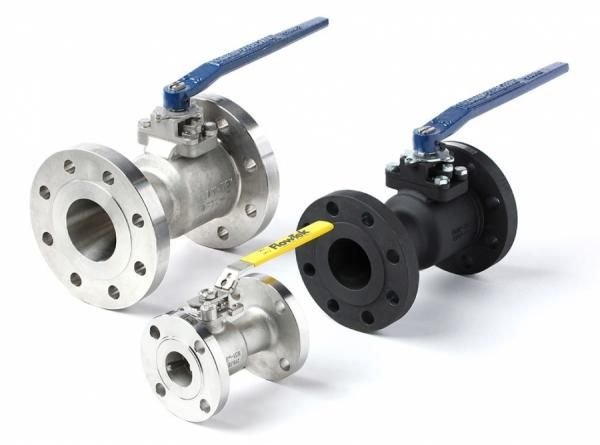
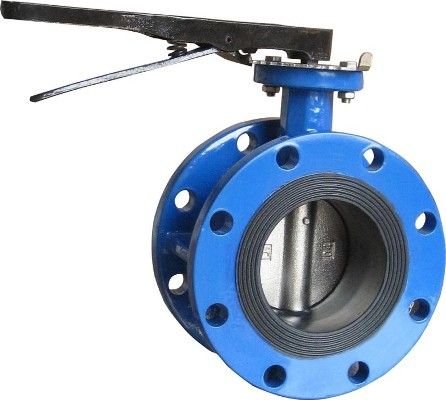
Flanged Type
- Strong connection
- Suitable for industrial pipelines
👉 Check related products:
https://hongonvalve.com/product/flanged-valves/
Lug Type
- Allows pipeline isolation
- Easy maintenance
Wafer Type
- Compact and lightweight
- Cost-effective
🧱 Materials Used in Double Offset Butterfly Valve
Stainless Steel
Provides corrosion resistance for harsh environments.
Carbon Steel
Offers strength for industrial applications.
Advanced Alloys
Used in extreme temperature and corrosive conditions.
🌍 Applications in Industrial Systems
Oil and Gas
Used in pipelines and processing plants.
Chemical Processing
Handles aggressive fluids safely.
Power Generation
Controls steam and cooling systems.
Marine Industry
Suitable for corrosive environments.
👉 Industry references:
https://www.api.org/
https://www.iso.org/standards.html
✅ Advantages of Double Offset Butterfly Valve
- Reduced friction and wear
- Improved sealing performance
- Longer service life
- Suitable for higher pressure than standard designs
- Efficient flow control
⚠️ Limitations and Considerations
- Higher cost than standard butterfly valves
- Requires proper installation
- More complex design
🔄 Double Offset vs Triple Offset Butterfly Valve
| Feature | Double Offset | Triple Offset |
|---|---|---|
| Sealing | High | Zero leakage |
| Cost | Moderate | Higher |
| Pressure | Medium-High | High |
| Application | General industry | Critical systems |
🛠️ How to Choose the Right Valve
Pressure and Temperature
Ensure compatibility with operating conditions.
Sealing Requirements
Select based on leakage tolerance.
Connection Types
- Flanged
- Lug
- Wafer
👉 Recommended category:
https://hongonvalve.com/product/flanged-valves/
🔧 Installation and Maintenance Tips
- Follow installation guidelines
- Inspect sealing surfaces regularly
- Lubricate moving parts
- Replace worn components
📜 Industry Standards and Certifications
Reliable valves should comply with:
- API
- ISO
- ANSI
🚀 Future Trends and Innovations
- Smart monitoring systems
- Automation integration
- Advanced sealing technologies
- Energy-efficient designs
❓ FAQs
1. What is a double offset butterfly valve used for?
It is used for efficient flow control in industrial systems.
2. What are the two offsets?
The shaft is offset from the disc and pipeline centerline.
3. Is it better than standard butterfly valves?
Yes, it offers improved durability and sealing.
4. What industries use it?
Oil & gas, chemical, power, and marine industries.
5. What materials are used?
Stainless steel, carbon steel, and alloys.
6. Where can I find reliable options?
Visit:
https://hongonvalve.com/
🏁 Conclusion
The double offset butterfly valve is a high-performance solution for industrial flow control, offering improved durability, reduced wear, and better sealing. Its advanced design makes it ideal for demanding applications where reliability is critical.
By selecting the right type and specifications, businesses can enhance system efficiency and reduce maintenance costs.