
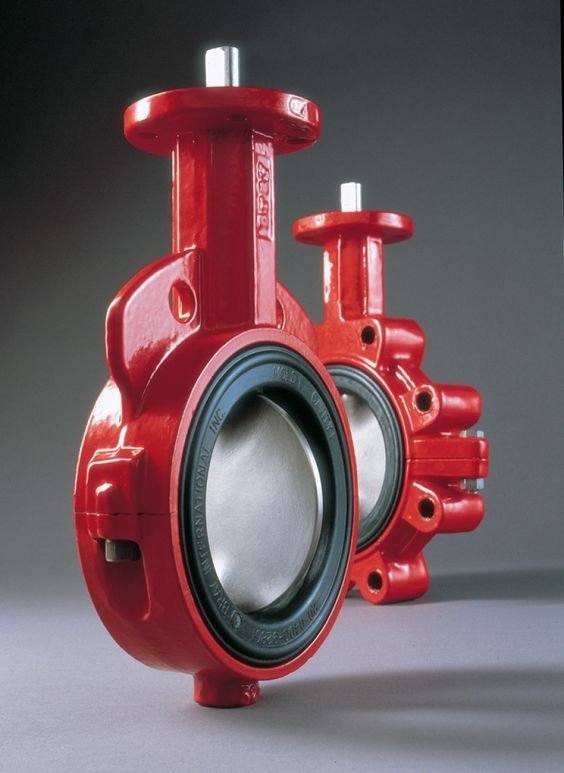
A triple offset butterfly valve is one of the most advanced butterfly valve designs available today. Engineered for zero leakage and extreme operating conditions, it is widely used in industries where safety and reliability are critical.
The triple offset butterfly valve stands out due to its unique geometry, which eliminates friction between the sealing surfaces and ensures long service life.
🔍 What Is a Triple Offset Butterfly Valve?
Definition and Structure
This valve features three offsets that enhance sealing and performance:
- Shaft offset from disc center
- Shaft offset from pipeline centerline
- Sealing surface designed as a conical angle
These offsets create a cam-like motion that prevents friction during operation.
Key Components
- Valve body
- Offset disc
- Stem
- Metal seat
- Actuator
👉 Explore valve solutions here:
https://hongonvalve.com/
⚙️ How Does a Triple Offset Butterfly Valve Work?
Working Principle
The valve operates with a quarter-turn rotation:
- Open position allows full flow
- Closed position creates a tight seal
Zero Leakage Sealing Mechanism
The conical sealing design ensures:
- Metal-to-metal sealing
- Zero leakage performance
- No friction during operation
🧩 Types of Triple Offset Butterfly Valve
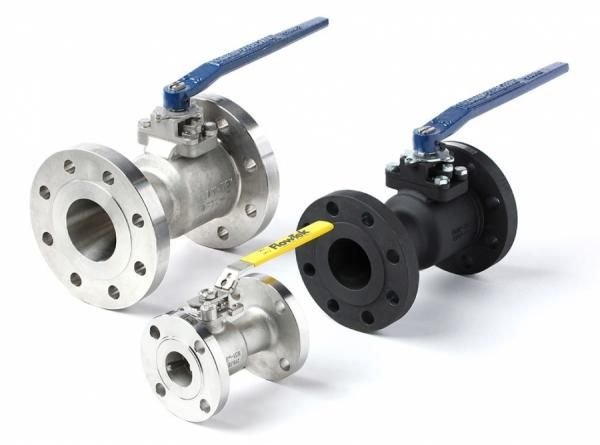
Flanged Type
- Strong and stable connection
- Ideal for industrial pipelines
👉 Check related products:
https://hongonvalve.com/product/flanged-valves/
Lug Type
- Allows pipeline isolation
- Easier maintenance
Wafer Type
- Compact and lightweight
- Suitable for space-limited systems
🧱 Materials Used in Triple Offset Butterfly Valve
Stainless Steel
Offers corrosion resistance for harsh environments.
Carbon Steel
Provides strength and durability.
Special Alloys
Used in extreme conditions such as high temperature and corrosive media.
🌍 Applications in Industrial Systems
Oil and Gas
Used in high-pressure pipelines and refineries.
Chemical Processing
Handles aggressive and hazardous fluids.
Power Generation
Controls steam and high-temperature systems.
Petrochemical Industry
Ensures safe and efficient operations.
👉 Industry references:
https://www.api.org/
https://www.iso.org/standards.html
✅ Advantages of Triple Offset Butterfly Valve
- Zero leakage sealing
- No friction during operation
- Long service life
- Suitable for high pressure and temperature
- Excellent durability
⚠️ Limitations and Considerations
- Higher cost compared to other types
- More complex design
- Requires precise installation
🔄 Triple Offset vs Double Offset Butterfly Valve
| Feature | Triple Offset | Double Offset |
|---|---|---|
| Sealing | Zero leakage | High |
| Cost | Higher | Moderate |
| Pressure | High | Medium-High |
| Durability | Excellent | Very good |
🛠️ How to Choose the Right Valve
Pressure and Temperature
Ensure compatibility with operating conditions.
Sealing Requirements
Choose triple offset for zero leakage applications.
Connection Types
- Flanged
- Lug
- Wafer
👉 Recommended category:
https://hongonvalve.com/product/flanged-valves/
🔧 Installation and Maintenance Tips
- Follow installation standards
- Inspect sealing surfaces regularly
- Maintain actuator systems
- Replace worn components promptly
📜 Industry Standards and Certifications
Reliable valves should meet:
- API
- ISO
- ANSI
🚀 Future Trends and Innovations
- Smart valve automation
- Remote monitoring systems
- Advanced sealing technologies
- Energy-efficient designs
❓ FAQs
1. What is a triple offset butterfly valve used for?
It is used in high-performance systems requiring zero leakage.
2. What makes it different from other valves?
Its three-offset design eliminates friction and improves sealing.
3. Is it suitable for high pressure?
Yes, it is designed for high-pressure applications.
4. What industries use it?
Oil & gas, chemical, power, and petrochemical industries.
5. What materials are used?
Stainless steel, carbon steel, and special alloys.
6. Where can I find reliable options?
Visit:
https://hongonvalve.com/
🏁 Conclusion
The triple offset butterfly valve is a top-tier solution for demanding industrial applications. With its zero-leakage performance, durability, and advanced design, it is the preferred choice for critical systems.
Selecting the right specifications and materials ensures optimal performance, safety, and long-term reliability.