
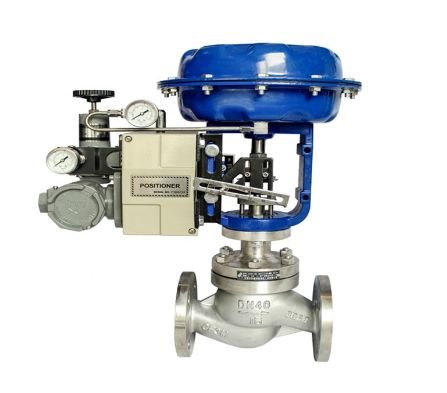
A soft seal butterfly valve is a widely used valve designed with a flexible sealing material, typically rubber or PTFE, to ensure tight shut-off and reliable performance. It is especially popular in low to medium pressure systems where cost efficiency and leak prevention are priorities.
The soft seal butterfly valve is commonly found in water treatment, HVAC, and food processing industries due to its excellent sealing capability and ease of operation.
🔍 What Is a Soft Seal Butterfly Valve?
Definition and Structure
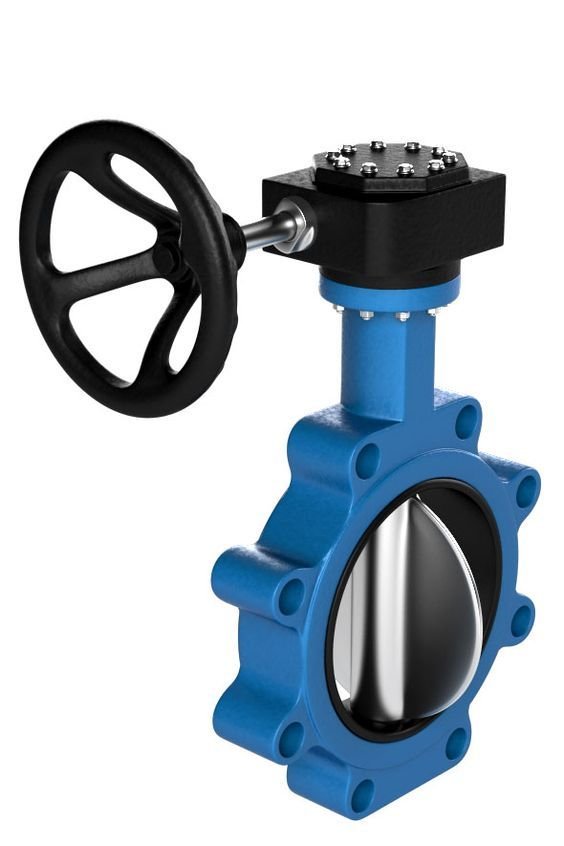
A soft seal butterfly valve uses a non-metallic seat (such as rubber or PTFE) to create a tight seal between the disc and the valve body. This design ensures minimal leakage.
Key Components
- Valve body
- Disc
- Stem
- Soft seat (rubber or PTFE)
- Actuator
👉 Explore valve solutions here:
https://hongonvalve.com/
⚙️ How Does a Soft Seal Butterfly Valve Work?
Working Principle
The valve operates with a simple quarter-turn motion:
- Open position allows fluid flow
- Closed position compresses the soft seat for sealing
Sealing Mechanism
The flexible seat material deforms slightly when the valve closes, creating a tight seal and preventing leakage.
🧩 Types of Soft Seal Butterfly Valve
Wafer Type
- Compact and lightweight
- Installed between flanges
Lug Type
- Allows pipeline isolation
- Easy maintenance
Flanged Type
- Strong and secure connection
👉 Check related product category:
https://hongonvalve.com/product/flanged-valves/
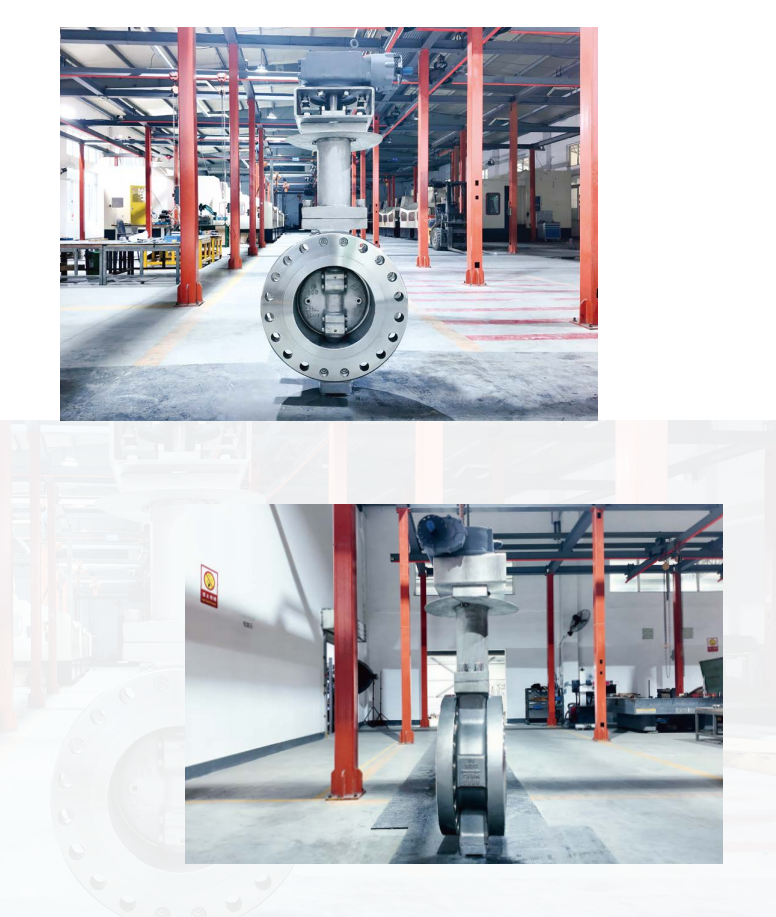
🧱 Materials Used in Butterfly Valve
Rubber Seats
- EPDM (water and chemicals)
- NBR (oil resistance)
PTFE Seats
- High chemical resistance
- Suitable for corrosive media
Valve Body Materials
- Cast iron
- Stainless steel
- Carbon steel
🌍 Applications of Soft Seal Butterfly Valve
Water Treatment
Used for regulating water flow in pipelines.
HVAC Systems
Controls airflow and cooling systems.
Food and Beverage
Suitable for hygienic environments.
Chemical Industry
Handles mild corrosive fluids.
👉 Industry references:
https://www.api.org/
https://www.iso.org/standards.html
✅ Advantages of Soft Seal Butterfly Valve
- Excellent sealing performance
- Cost-effective
- Lightweight and compact
- Easy installation
- Low maintenance
⚠️ Limitations and Considerations
- Not suitable for high temperature applications
- Limited pressure handling
- Seat material may wear over time
🔄 Soft Seal vs Metal Seal Butterfly Valve
| Feature | Soft Seal | Metal Seal |
|---|---|---|
| Sealing | Tight | Moderate |
| Temperature | Low-Medium | High |
| Cost | Lower | Higher |
| Durability | Moderate | High |
🛠️ How to Choose the Right Valve
Pressure and Temperature
Ensure compatibility with operating conditions.
Media Compatibility
Choose seat material based on fluid type.
Connection Types
- Wafer
- Lug
- Flanged
👉 Recommended category:
https://hongonvalve.com/product/flanged-valves/
🔧 Installation and Maintenance Tips
- Ensure proper alignment
- Inspect seat condition regularly
- Clean internal components
- Replace worn seals
📜 Industry Standards and Certifications
Reliable valves should meet:
- API
- ISO
- ANSI
🚀 Future Trends and Innovations
- Improved sealing materials
- Smart automation systems
- Energy-efficient designs
- Enhanced durability
❓ FAQs
1. What is a soft seal butterfly valve used for?
It is used for flow control in low to medium pressure systems.
2. What materials are used for sealing?
Rubber (EPDM, NBR) and PTFE.
3. Is it suitable for high temperature?
No, it is better for lower temperature applications.
4. What industries use it?
Water treatment, HVAC, food processing, and chemical industries.
5. What is the main advantage?
Excellent sealing performance at a low cost.
6. Where can I find reliable options?
Visit:
https://hongonvalve.com/
🏁 Conclusion
The butterfly valve is a practical and economical solution for industries requiring reliable sealing and efficient flow control. Its flexible seat design ensures tight shut-off, making it ideal for water and low-pressure systems.
By selecting the right materials and configuration, businesses can improve system efficiency and reduce operational costs.