
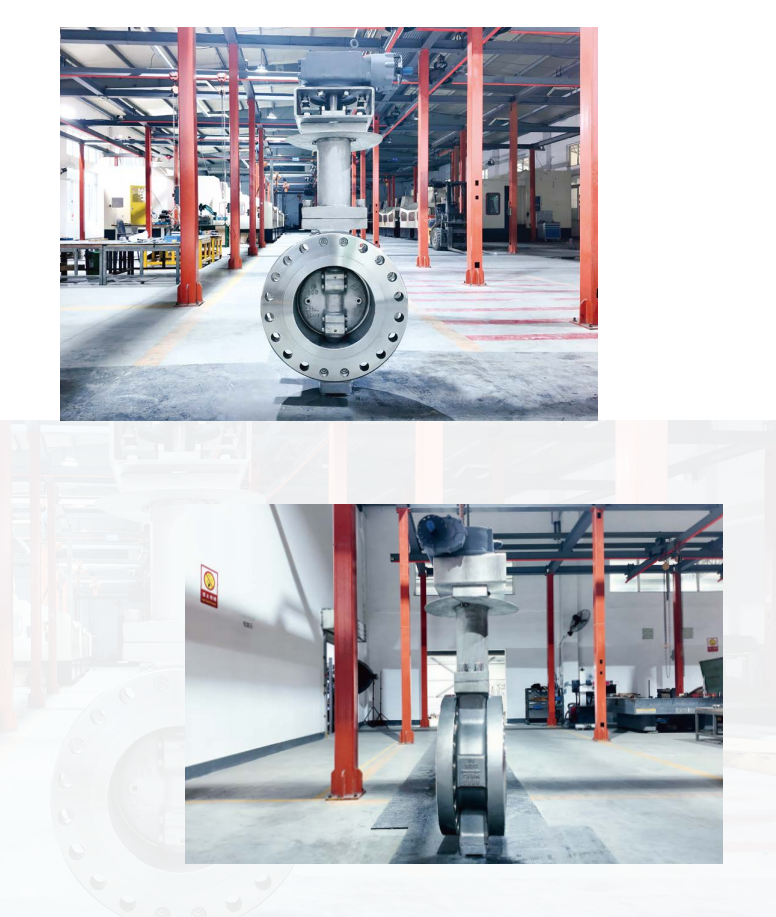
An irrigation system valve is a crucial component used to control water flow in agricultural and landscape irrigation systems. It helps distribute water efficiently, ensuring crops and plants receive the right amount of moisture.
The irrigation system valve is widely used in farming, gardening, and smart irrigation systems to improve water conservation and optimize productivity.
🔍 What Is an Irrigation System Valve?
Definition and Role
An irrigation system valve regulates the flow of water through pipelines, allowing users to control when and where water is delivered.
Key Components
- Valve body
- Disc or gate
- Stem
- Sealing elements
- Actuator (manual or automatic)
👉 Explore valve solutions directly:
https://hongonvalve.com/
⚙️ How Irrigation System Valve Works
Working Principle
The valve opens and closes to control water flow:
- Open position allows water distribution
- Closed position stops water flow
Water Flow Regulation
Valves can be adjusted to regulate water pressure and flow rate, ensuring efficient irrigation.
🧩 Types of Irrigation System Valve
Manual Valves
- Simple and cost-effective
- Suitable for small systems
Electric Valves
- Automated operation
- Ideal for smart irrigation
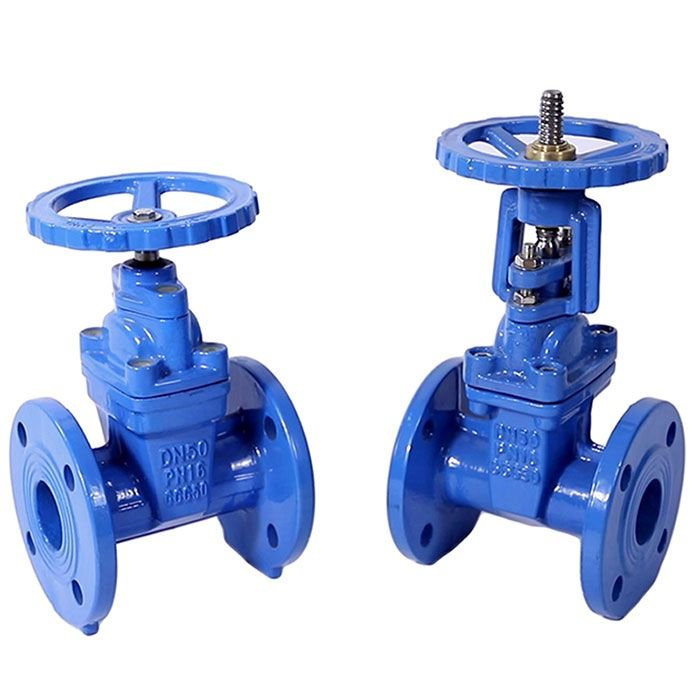
Hydraulic Valves
- Operated by water pressure
- Used in large-scale irrigation
👉 Check related product category:
https://hongonvalve.com/product/flanged-valves/
🧱 Materials Used in Irrigation System Valve
Plastic and PVC
- Lightweight
- Corrosion-resistant
Metal Valves
- Durable and strong
- Suitable for large systems
Rubber Seals
- Ensure tight sealing
- Prevent leaks
🌍 Applications in Irrigation Systems
Agricultural Irrigation
Used in farms to water crops efficiently.
Landscape Irrigation
Maintains gardens, parks, and lawns.
Drip Irrigation Systems
Controls precise water delivery.
Sprinkler Systems
Distributes water evenly across fields.
👉 Industry references:
https://www.fao.org/
https://www.iso.org/standards.html
✅ Advantages of Irrigation System Valve
- Improves water efficiency
- Reduces waste
- Easy operation
- Suitable for automation
- Cost-effective
⚠️ Limitations and Considerations
- Requires regular maintenance
- Material selection is important
- May clog in dirty water conditions
🔄 Comparison with Other Water Control Valves
| Feature | Irrigation Valve | Gate Valve |
|---|---|---|
| Operation | Easy | Moderate |
| Cost | Lower | Higher |
| Maintenance | Easy | Moderate |
| Control | Good | Limited |
🛠️ How to Choose the Right Valve
Flow Requirements
Ensure the valve matches system capacity.
Automation Needs
Choose manual or automatic valves.
Environmental Conditions
Consider weather and water quality.
👉 Recommended product page:
https://hongonvalve.com/product/flanged-valves/
🔧 Installation and Maintenance Tips
- Install correctly to avoid leaks
- Inspect regularly
- Clean filters and pipelines
- Replace worn components
📜 Industry Standards and Certifications
Reliable valves should meet:
- ISO
- ANSI
🚀 Future Trends in Irrigation Valve Technology
- Smart irrigation systems
- IoT-based monitoring
- Water-saving technologies
- Automated control systems
❓ FAQs
1. What is an irrigation system valve used for?
It controls water flow in irrigation systems.
2. What types are available?
Manual, electric, and hydraulic valves.
3. What materials are used?
PVC, metal, and rubber components.
4. Where is it used?
Agriculture, landscaping, and irrigation systems.
5. What is the main benefit?
Efficient water management.
6. Where can I find reliable options?
Visit:
https://hongonvalve.com/
🏁 Conclusion
The irrigation system valve is essential for efficient water management in agriculture and landscaping. Its ability to control water flow helps conserve resources and improve productivity.
By selecting the right valve and maintaining it properly, users can achieve reliable performance and long-term efficiency.