
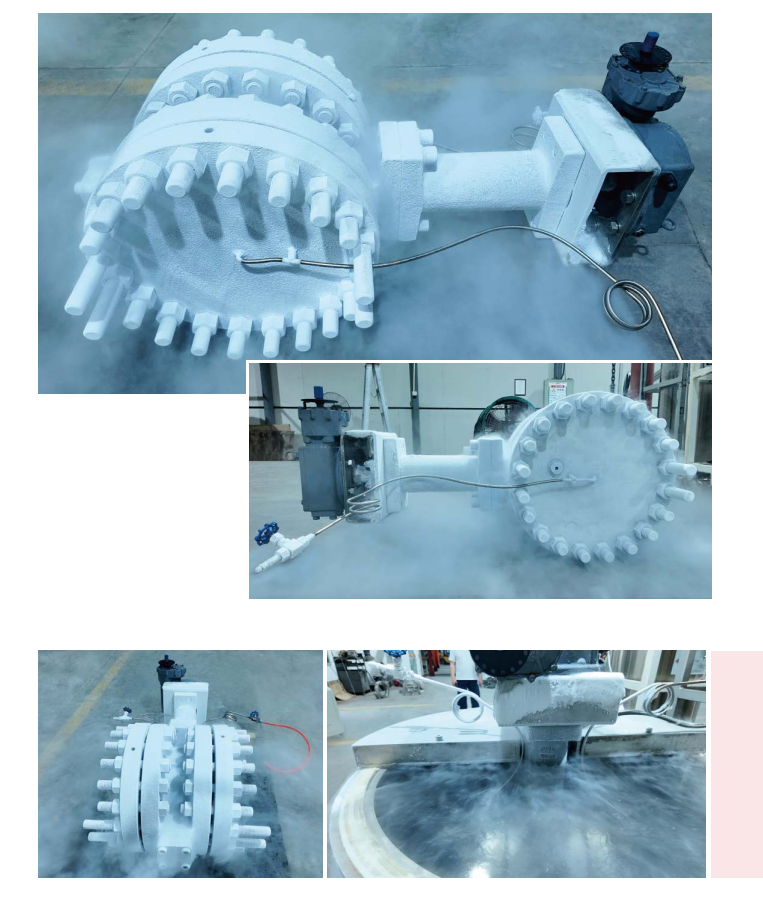
A wastewater treatment valve is a critical component used in sewage and water treatment systems to regulate, isolate, and control the flow of wastewater. These valves are designed to handle contaminated fluids, corrosive substances, and solid particles commonly found in treatment processes.
The wastewater treatment valve is widely used in municipal and industrial facilities, ensuring efficient and safe system operation.
🔍 What Is a Wastewater Treatment Valve?
Definition and Role
This valve controls the flow of wastewater during various treatment stages, including filtration, sedimentation, and discharge. It helps maintain system efficiency and prevents overflow or contamination.
Key Components
- Valve body
- Disc or gate
- Stem
- Seat or sealing element
- Actuator
👉 Explore valve solutions here:
https://hongonvalve.com/
⚙️ How Wastewater Treatment Valve Works
Working Principle
The valve operates by opening or closing to regulate fluid flow:
- Open position allows wastewater to pass
- Closed position blocks flow
Flow Regulation in Treatment Systems
Valves can adjust flow rates to optimize treatment processes such as filtration, aeration, and chemical dosing.
🧩 Types of Wastewater Treatment Valve
Butterfly Valve
- Compact and cost-effective
- Suitable for large pipelines
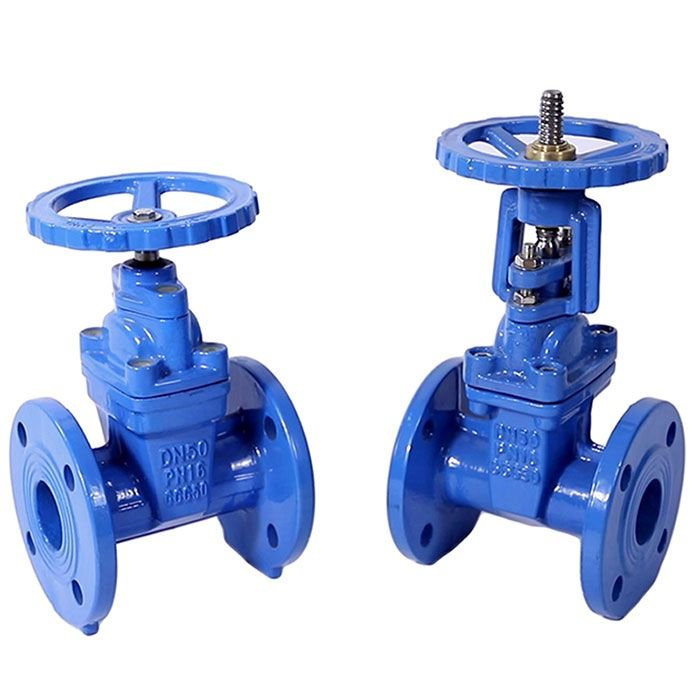
Gate Valve
- Provides full flow when open
- Suitable for isolation
Ball Valve
- Offers tight sealing
- Used for precise control
👉 Check related product category:
https://hongonvalve.com/product/flanged-valves/
🧱 Materials Used in Wastewater Treatment Valve
Corrosion Resistant Metals
- Stainless steel
- Coated cast iron
Rubber and PTFE Components
- Provide sealing
- Resist chemical corrosion
🌍 Applications in Wastewater Systems
Municipal Sewage Plants
Used in city wastewater treatment facilities.
Industrial Wastewater Treatment
Handles wastewater from factories and plants.
Sludge Handling Systems
Controls thick and solid-containing fluids.
Water Recycling Facilities
Supports reuse and purification systems.
👉 Industry references:
https://www.epa.gov/
https://www.iso.org/standards.html
✅ Advantages of Wastewater Treatment Valve
- Durable and corrosion-resistant
- Suitable for contaminated fluids
- Easy installation and operation
- Cost-effective solution
- Reliable performance
⚠️ Limitations and Considerations
- Requires regular maintenance
- Material selection is critical
- May face wear from solid particles
🔄 Comparison with Other Valve Types
| Feature | Butterfly Valve | Gate Valve |
|---|---|---|
| Size | Compact | Larger |
| Operation | Fast | Slower |
| Cost | Lower | Higher |
| Maintenance | Easy | Moderate |
🛠️ How to Choose the Right Valve
Flow Requirements
Ensure the valve matches system capacity.
Corrosion Resistance
Select materials suitable for wastewater conditions.
Maintenance Needs
Choose valves that are easy to maintain and clean.
👉 Recommended category:
https://hongonvalve.com/product/flanged-valves/
🔧 Installation and Maintenance Tips
- Ensure proper alignment
- Inspect seals regularly
- Clean internal components
- Replace worn parts
📜 Industry Standards and Certifications
Reliable valves should meet:
- ISO
- ANSI
- API
🚀 Future Trends in Wastewater Valve Technology
- Smart monitoring systems
- Automation integration
- Advanced materials
- Energy-efficient designs
❓ FAQs
1. What is a wastewater treatment valve used for?
It is used to control and regulate wastewater flow in treatment systems.
2. What types are commonly used?
Butterfly, gate, and ball valves.
3. What materials are suitable?
Stainless steel, coated cast iron, and PTFE.
4. Where is it used?
Municipal and industrial wastewater treatment facilities.
5. What is the main advantage?
Durability and ability to handle contaminated fluids.
6. Where can I find reliable options?
Visit:
https://hongonvalve.com/
🏁 Conclusion
The wastewater treatment valve is essential for maintaining efficient and safe operation in sewage and water treatment systems. Its ability to handle corrosive and contaminated fluids makes it a key component in modern infrastructure.
By selecting the right valve type and materials, operators can ensure long-term performance, reliability, and environmental safety.