
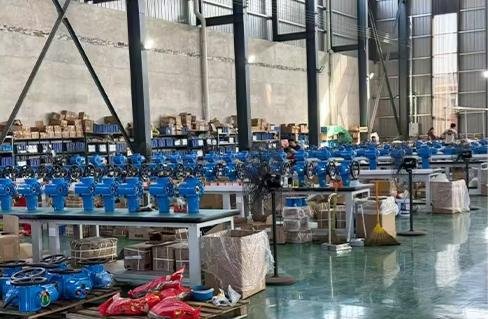
A marine butterfly valve is specifically designed for use in shipboard and offshore pipeline systems. It plays a vital role in controlling the flow of seawater, fuel, and other fluids under harsh marine conditions.
The marine butterfly valve is widely used in shipping, offshore platforms, and naval systems due to its corrosion resistance, compact design, and reliable performance.
🔍 What Is a Marine Butterfly Valve?
Definition and Role
This valve regulates or isolates fluid flow in marine pipelines. It is engineered to withstand saltwater corrosion, vibration, and high humidity.
Key Components
- Valve body
- Disc
- Stem
- Seat
- Actuator
👉 Explore valve solutions here:
https://hongonvalve.com/
⚙️ How Marine Butterfly Valve Works
Working Principle
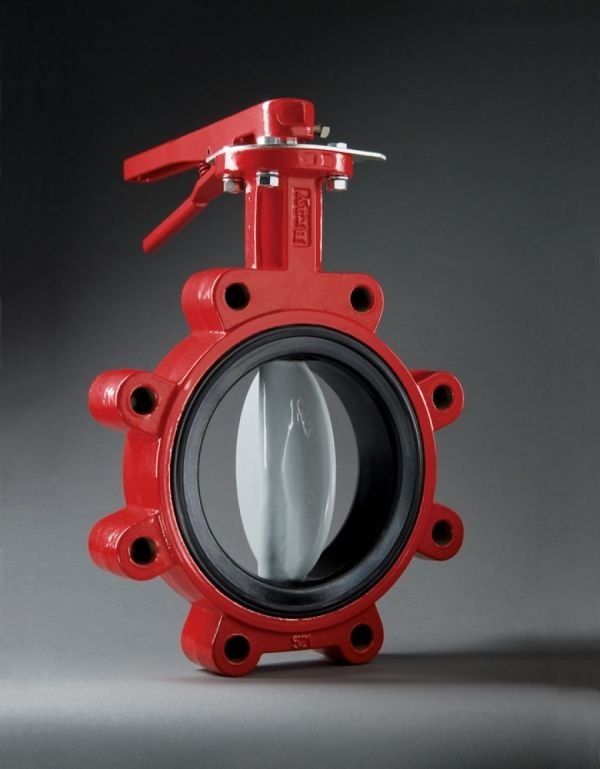
The valve operates with a quarter-turn rotation:
- Open position allows fluid flow
- Closed position stops flow
Flow Control Mechanism
The valve can be partially opened to regulate flow, making it suitable for various marine applications.
🧩 Types of Marine Butterfly Valve
Wafer Type
- Compact design
- Easy installation
Lug Type
- Allows section isolation
- Easy maintenance
Flanged Type
- Strong connection
- Suitable for large pipelines
👉 Check related product category:
https://hongonvalve.com/product/flanged-valves/
🧱 Materials Used in Marine Butterfly Valve
Bronze and Marine Alloys
- Excellent corrosion resistance
- Ideal for seawater systems
Stainless Steel
- Durable and resistant to rust
Coated Cast Iron
- Cost-effective with protective coating
🌍 Applications in Marine Systems
Seawater Cooling Systems
Controls flow in cooling pipelines.
Ballast Systems
Manages water intake and discharge.
Fire Protection Systems
Ensures reliable operation during emergencies.
Offshore Platforms
Used in oil and gas extraction systems.
👉 Industry references:
https://www.imo.org/
https://www.iso.org/standards.html
✅ Advantages of Marine Butterfly Valve
- Corrosion resistance
- Compact and lightweight
- Easy installation and maintenance
- Cost-effective solution
- Reliable performance in harsh environments
⚠️ Limitations and Considerations
- Requires proper material selection
- Not suitable for extremely high-pressure systems
- Regular maintenance needed
🔄 Comparison with Other Marine Valves
| Feature | Butterfly Valve | Gate Valve |
|---|---|---|
| Size | Compact | Larger |
| Operation | Quarter-turn | Multi-turn |
| Cost | Lower | Higher |
| Maintenance | Easy | Moderate |
🛠️ How to Choose the Right Valve
Corrosion Resistance
Select materials suitable for seawater environments.
Pressure and Temperature
Ensure compatibility with system conditions.
Certification Requirements
Choose valves that meet marine standards.
👉 Recommended category:
https://hongonvalve.com/product/flanged-valves/
🔧 Installation and Maintenance Tips
- Ensure proper alignment
- Inspect seals regularly
- Clean internal components
- Replace worn parts
📜 Industry Standards and Certifications
Reliable valves should comply with:
- IMO
- ISO
- API
🚀 Future Trends in Marine Valve Technology
- Smart monitoring systems
- Advanced corrosion-resistant materials
- Automation integration
- Energy-efficient designs

❓ FAQs
1. What is a marine butterfly valve used for?
It is used to control fluid flow in ship and offshore systems.
2. What materials are commonly used?
Bronze, stainless steel, and coated cast iron.
3. Is it suitable for seawater?
Yes, when made with corrosion-resistant materials.
4. What industries use it?
Shipping, offshore, and marine engineering.
5. What is the main advantage?
Durability in harsh marine environments.
6. Where can I find reliable options?
Visit:
https://hongonvalve.com/
🏁 Conclusion
The marine butterfly valve is a crucial component for safe and efficient fluid control in marine environments. Its durability, corrosion resistance, and compact design make it ideal for ship and offshore applications.
By selecting the right materials and specifications, operators can ensure long-term performance and system reliability.