
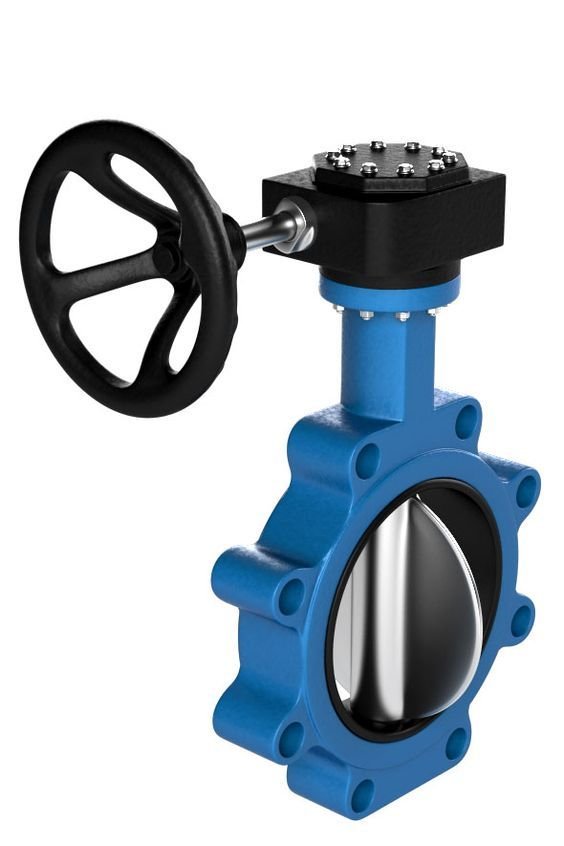
A chemical industry butterfly valve is specially designed to handle corrosive, hazardous, and reactive fluids in industrial processing systems. These valves play a crucial role in maintaining safety, controlling flow, and ensuring system efficiency.
The chemical industry butterfly valve is widely used in chemical plants, pharmaceutical facilities, and petrochemical industries due to its reliability and adaptability.
🔍 What Is a Chemical Industry Butterfly Valve?
Definition and Role
This valve is used to regulate or isolate fluid flow in chemical processes. It is engineered to resist corrosion and withstand aggressive media.
Key Components
- Valve body
- Disc
- Stem
- Seat or lining material
- Actuator
👉 Explore valve solutions here:
https://hongonvalve.com/
⚙️ How Chemical Industry Butterfly Valve Works
Working Principle
The valve operates with a quarter-turn rotation:
- Open position allows fluid flow
- Closed position blocks the flow
Flow Control Mechanism
The valve can be partially opened to regulate flow, making it suitable for precise chemical processing.
🧩 Types of Chemical Industry Butterfly Valve
Soft Seal Type
- Good sealing performance
- Suitable for low to medium conditions
Metal Seated Type
- High temperature resistance
- Suitable for harsh environments
Lined Butterfly Valve
- PTFE or rubber lining
- Excellent corrosion resistance
👉 Check related product category:
https://hongonvalve.com/product/flanged-valves/
🧱 Materials Used in Chemical Industry Butterfly Valve
Stainless Steel
Provides corrosion resistance and durability.
PTFE and Lining Materials
Protect against aggressive chemicals.
Special Alloys
Used in extreme conditions involving high temperature or highly corrosive media.
🌍 Applications in Chemical Industry
Acid Processing
Handles strong acids safely.
Alkali Systems
Used in alkaline processing environments.
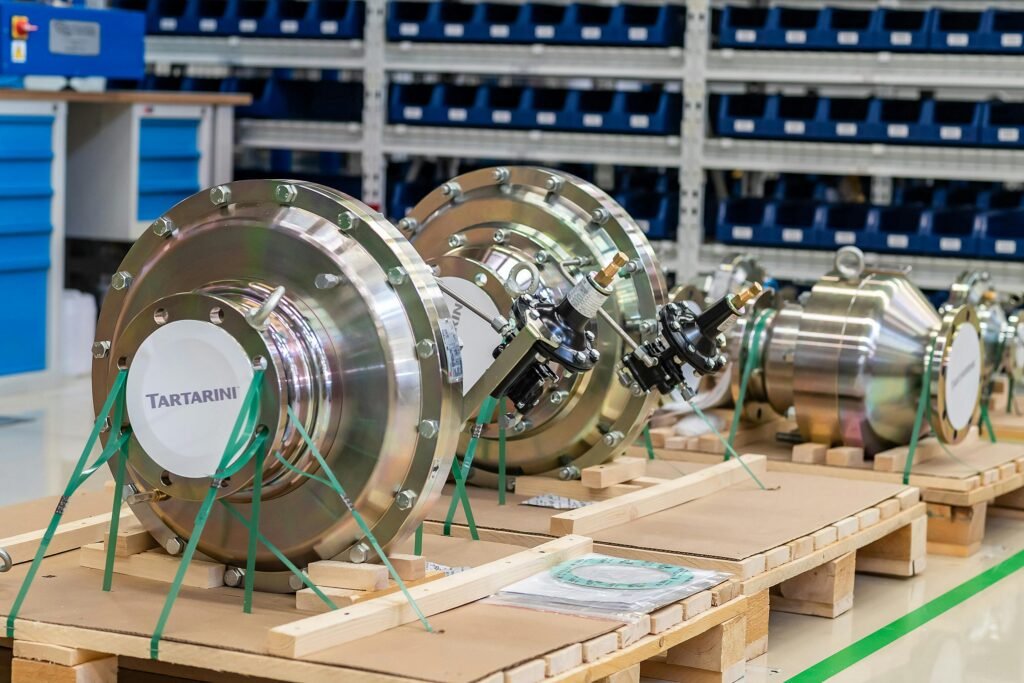
Petrochemical Plants
Controls flow of chemical products.
Pharmaceutical Production
Ensures hygienic and safe fluid handling.
👉 Industry references:
https://www.api.org/
https://www.iso.org/standards.html
✅ Advantages of Chemical Industry Butterfly Valve
- Corrosion resistance
- Lightweight and compact design
- Easy installation and maintenance
- Cost-effective solution
- Reliable performance
⚠️ Limitations and Considerations
- Requires proper material selection
- Not suitable for extremely high pressure in some cases
- Regular inspection needed
🔄 Comparison with Other Valve Types
| Feature | Butterfly Valve | Ball Valve |
|---|---|---|
| Size | Compact | Larger |
| Cost | Lower | Higher |
| Operation | Quarter-turn | Quarter-turn |
| Maintenance | Easy | Moderate |
🛠️ How to Choose the Right Valve
Chemical Compatibility
Ensure materials resist the specific chemicals used.
Pressure and Temperature
Select appropriate design for operating conditions.
Sealing Requirements
Choose between soft seal or metal seat depending on needs.
👉 Recommended category:
https://hongonvalve.com/product/flanged-valves/
🔧 Installation and Maintenance Tips
- Ensure proper alignment
- Inspect seals regularly
- Clean internal components
- Replace worn parts
📜 Industry Standards and Certifications
Reliable valves should meet:
- API
- ISO
- ANSI
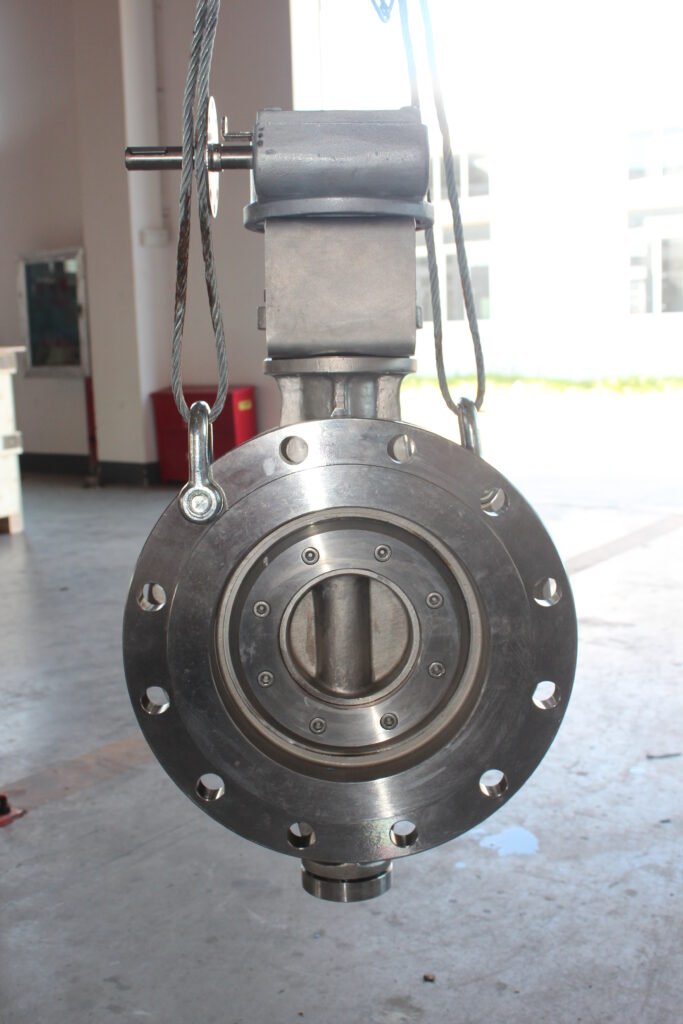
🚀 Future Trends and Innovations
- Advanced corrosion-resistant materials
- Smart monitoring systems
- Automation integration
- Eco-friendly designs
❓ FAQs
1. What is a chemical industry butterfly valve used for?
It is used to control flow in chemical processing systems.
2. What materials are used?
Stainless steel, PTFE lining, and special alloys.
3. Is it suitable for corrosive fluids?
Yes, especially lined or alloy designs.
4. What industries use it?
Chemical, pharmaceutical, and petrochemical industries.
5. What is the main advantage?
Corrosion resistance and efficient flow control.
6. Where can I find reliable options?
Visit:
https://hongonvalve.com/
🏁 Conclusion
The chemical industry butterfly valve is an essential component for safe and efficient chemical processing. Its corrosion-resistant design and versatility make it ideal for handling aggressive media.
By selecting the right materials and configuration, operators can ensure safety, reliability, and long-term performance.