
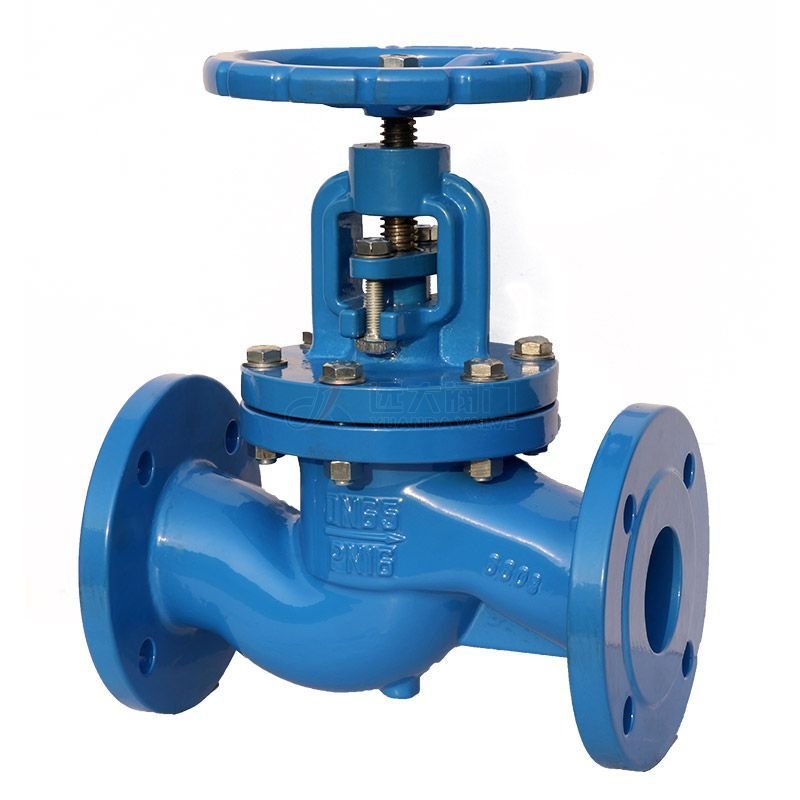
An oil and gas butterfly valve is a critical component used to regulate and isolate flow in pipeline systems across the petroleum industry. Designed for durability and performance, it ensures safe operation in environments with high pressure, temperature, and corrosive media.
The oil and gas butterfly valve is widely used in upstream, midstream, and downstream operations due to its efficiency and compact design.
🔍 What Is an Oil and Gas Butterfly Valve?
Definition and Role
This valve controls the flow of crude oil, natural gas, and refined products. It is essential for maintaining system safety and operational efficiency.
Key Components
- Valve body
- Disc
- Stem
- Seat (often metal)
- Actuator
👉 Explore valve solutions here:
https://hongonvalve.com/
⚙️ How Oil and Gas Butterfly Valve Works
Working Principle
The valve operates using a quarter-turn rotation:
- Open position allows fluid flow
- Closed position blocks the flow
Flow Control Mechanism
The valve can regulate flow by adjusting the disc angle, making it suitable for both isolation and throttling.
🧩 Types of Oil and Gas Butterfly Valve
Double Offset Type
- Reduced friction
- Improved sealing
Triple Offset Type
- Zero leakage performance
- Ideal for critical applications
Metal Seated Design
- Suitable for high temperature
- Resistant to wear and corrosion
👉 Check related product category:
https://hongonvalve.com/product/flanged-valves/
🧱 Materials Used in Oil and Gas Butterfly Valve
Stainless Steel
Provides corrosion resistance.
Carbon Steel
Offers strength and durability.
Special Alloys
Used in extreme environments with high temperature or corrosive media.
🌍 Applications in Oil and Gas Industry
Upstream Operations
Used in drilling and extraction processes.
Midstream Pipelines
Controls flow in transportation systems.
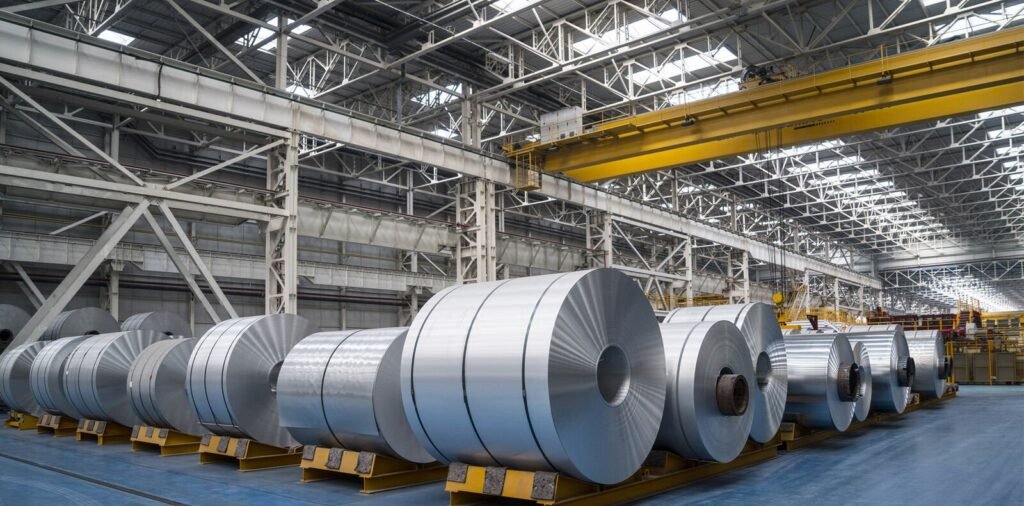
Downstream Refineries
Used in refining and processing operations.
👉 Industry references:
https://www.api.org/
https://www.iso.org/standards.html
✅ Advantages of Oil and Gas Butterfly Valve
- Compact and lightweight design
- Efficient flow control
- Suitable for large pipelines
- Durable under harsh conditions
- Easy operation
⚠️ Limitations and Considerations
- Higher cost for high-performance designs
- Requires proper sealing materials
- Regular maintenance needed
🔄 Comparison with Other Valve Types
| Feature | Butterfly Valve | Gate Valve |
|---|---|---|
| Operation | Quarter-turn | Multi-turn |
| Size | Compact | Larger |
| Cost | Lower | Higher |
| Speed | Fast | Slow |
🛠️ How to Choose the Right Valve
Pressure and Temperature
Ensure compatibility with system conditions.
Sealing Requirements
Select metal seated designs for critical systems.
Corrosion Resistance
Choose materials suitable for the environment.
👉 Recommended category:
https://hongonvalve.com/product/flanged-valves/
🔧 Installation and Maintenance Tips
- Ensure proper alignment
- Inspect seals regularly
- Maintain actuator systems
- Replace worn components
📜 Industry Standards and Certifications
Reliable valves should meet:
- API
- ISO
- ANSI
🚀 Future Trends and Innovations
- Smart monitoring systems
- Automation integration
- Advanced materials
- Energy-efficient designs

❓ FAQs
1. What is an oil and gas butterfly valve used for?
It is used to control flow in oil and gas pipelines.
2. Is it suitable for high pressure?
Yes, especially double and triple offset designs.
3. What materials are used?
Stainless steel, carbon steel, and special alloys.
4. Where is it used?
Upstream, midstream, and downstream operations.
5. What is the main advantage?
Compact design with efficient flow control.
6. Where can I find reliable options?
Visit:
https://hongonvalve.com/
🏁 Conclusion
The oil and gas butterfly valve is an essential solution for modern pipeline systems, offering durability, efficiency, and reliable performance. Its versatility makes it suitable for various stages of oil and gas operations.
Choosing the right valve ensures safety, efficiency, and long-term operational success.