
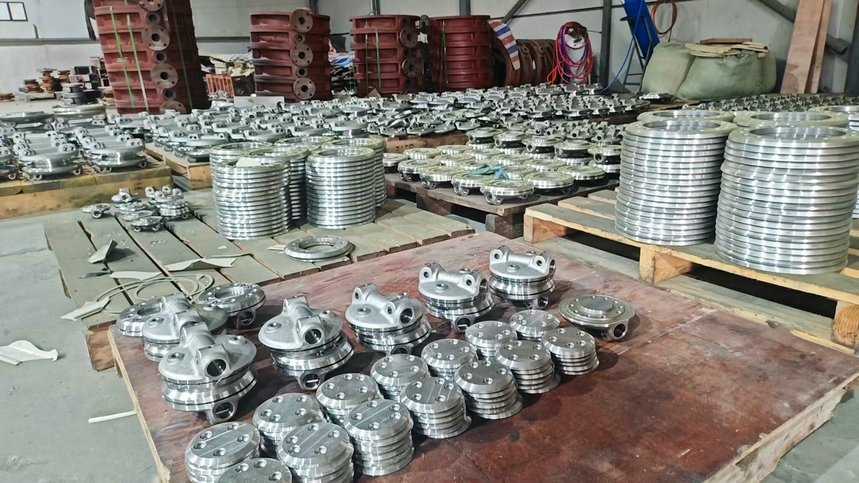
A food grade butterfly valve is specifically designed for hygienic applications in the food, beverage, and pharmaceutical industries. It ensures safe, contamination-free flow control while maintaining strict sanitation standards.
The food grade butterfly valve is widely used in processing lines where cleanliness, safety, and compliance with health regulations are critical.
🔍 What Is a Food Grade Butterfly Valve?
Definition and Hygienic Requirements
A food grade butterfly valve is engineered to meet strict sanitary standards. It features smooth internal surfaces, minimal dead zones, and materials that prevent contamination.
Key Components
- Valve body (polished stainless steel)
- Disc
- Stem
- Hygienic seals
- Actuator (manual or automated)
👉 Explore valve solutions directly:
https://hongonvalve.com/
⚙️ How Food Grade Butterfly Valve Works
Working Principle
The valve operates with a quarter-turn rotation:
- Open position allows fluid flow
- Closed position stops flow
Hygienic Flow Control Mechanism
The design ensures:
- Smooth flow paths
- Easy cleaning (CIP/SIP systems)
- No contamination risk
🧩 Types of Food Grade Butterfly Valve
Manual Type
- Simple operation
- Cost-effective
Pneumatic Type
- Fast and automated
- Ideal for production lines
Electric Type
- Precise control
- Suitable for smart factories
👉 Check related product category:
https://hongonvalve.com/product/flanged-valves/
🧱 Materials Used in Food Grade Butterfly Valve
Stainless Steel (304/316L)
- Corrosion resistant
- Easy to clean
- Meets hygiene standards
Food-Grade Seals
- EPDM
- Silicone
- PTFE
These materials ensure safe contact with food products.
🌍 Applications in Food and Beverage Industry
Dairy Processing
Used in milk and cheese production systems.
Beverage Production
Controls flow in juice, soda, and water lines.
Brewing Industry
Ensures hygienic handling of beer and fermentation processes.
Pharmaceutical Processing
Maintains sterile conditions in production.
👉 Industry references:
https://www.fda.gov/
https://www.3-a.org/
✅ Advantages of Food Grade Butterfly Valve
- Hygienic and contamination-free
- Easy cleaning and maintenance
- Compact and lightweight
- Cost-effective solution
- Suitable for automated systems
⚠️ Limitations and Considerations
- Not suitable for very high pressure
- Requires regular cleaning
- Must meet strict certification standards
🔄 Comparison with Other Sanitary Valves
| Feature | Butterfly Valve | Ball Valve |
|---|---|---|
| Size | Compact | Larger |
| Cost | Lower | Higher |
| Cleaning | Easy | Moderate |
| Operation | Fast | Fast |
🛠️ How to Choose the Right Valve
Hygiene Standards
Ensure compliance with FDA and 3-A standards.
Material Selection
Choose stainless steel and food-grade seals.
Automation Needs
Select manual, pneumatic, or electric valves based on system requirements.
👉 Recommended product page:
https://hongonvalve.com/product/flanged-valves/
🔧 Installation and Maintenance Tips
- Ensure proper installation alignment
- Perform regular cleaning (CIP/SIP)
- Inspect seals for wear
- Replace components when necessary
📜 Industry Standards and Certifications
Reliable valves should meet:
- FDA
- 3-A Sanitary Standards
- ISO
🚀 Future Trends in Hygienic Valve Technology
- Smart monitoring systems
- Automated cleaning systems
- Advanced hygienic materials
- Integration with Industry 4.0
❓ FAQs
1. What is a food grade butterfly valve used for?
It is used for hygienic flow control in food and beverage processing.
2. What materials are used?
Stainless steel (304/316L) and food-grade seals.
3. Is it safe for food contact?
Yes, when certified under FDA and 3-A standards.
4. What industries use it?
Food, beverage, dairy, and pharmaceutical industries.
5. How is it cleaned?
Using CIP (Clean-In-Place) or SIP (Sterilization-In-Place) systems.
6. Where can I find reliable options?
Visit:
https://hongonvalve.com/
🏁 Conclusion
The food grade butterfly valve is an essential component in hygienic processing systems, ensuring safe, clean, and efficient flow control. Its design meets strict sanitation standards, making it ideal for food and pharmaceutical applications.
By choosing the right materials and configurations, manufacturers can maintain product quality, comply with regulations, and improve operational efficiency.