
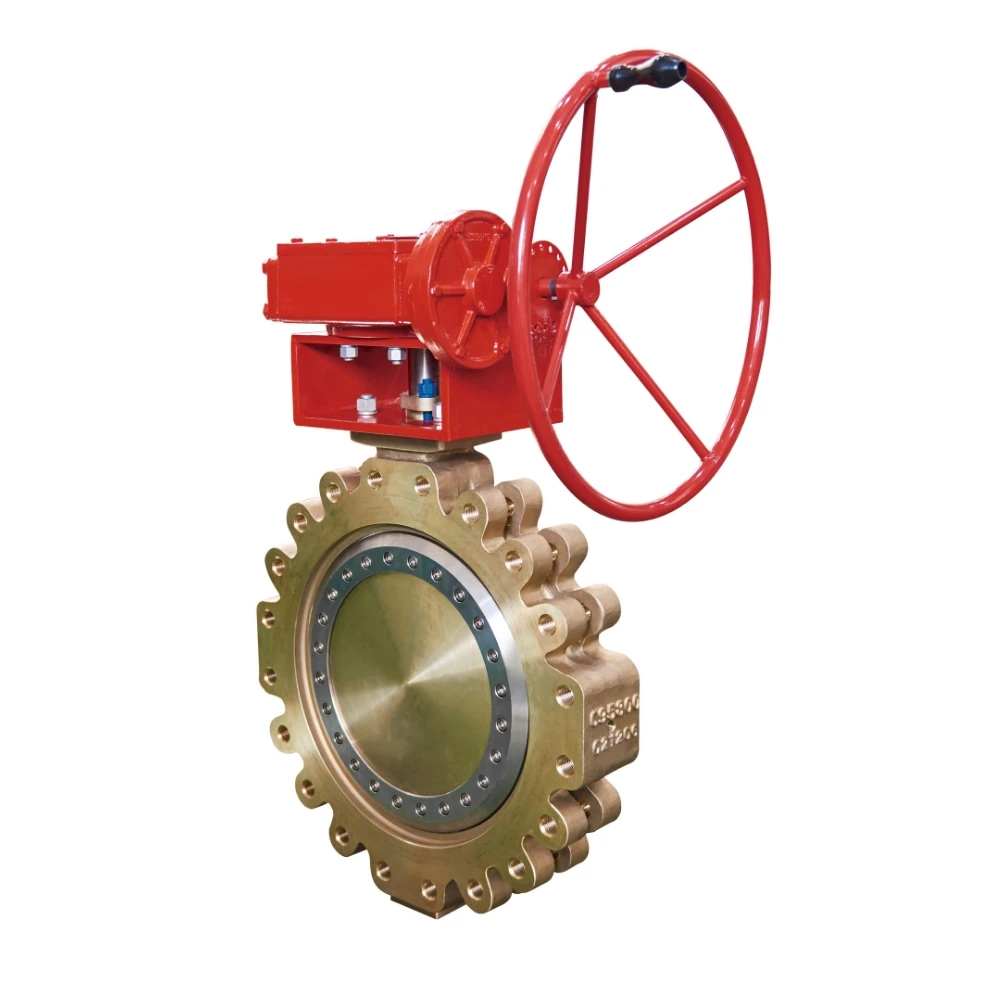
A fire protection butterfly valve is a vital component in firefighting systems, designed to control and isolate the flow of water in emergency situations. It plays a critical role in ensuring that fire suppression systems operate efficiently and reliably when needed.
The fire protection butterfly valve is widely used in commercial buildings, industrial facilities, and infrastructure projects to maintain safety and comply with fire protection regulations.
🔍 What Is a Fire Protection Butterfly Valve?
Definition and Role in Fire Systems
A fire protection butterfly valve is used to regulate water flow in fire protection systems such as sprinklers and hydrants. It ensures that water supply can be controlled quickly during both normal operation and emergencies.
Key Components and Design
- Valve body (usually ductile iron)
- Disc
- Stem
- Rubber seat (EPDM)
- Gear operator or actuator
- Position indicator
👉 Explore valve solutions here:
https://hongonvalve.com/
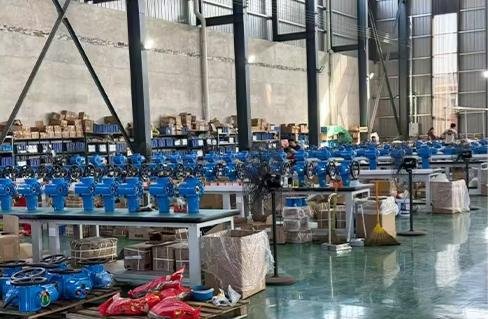
⚙️ How Fire Protection Butterfly Valve Works
Working Principle
The valve operates with a quarter-turn rotation:
- Open position allows water flow
- Closed position shuts off flow
Role in Emergency Flow Control
In fire emergencies:
- Valves must open quickly
- Ensure uninterrupted water supply
- Maintain pressure stability
They are often paired with alarm systems to monitor valve position.
🧩 Types of Fire Protection Butterfly Valve
Wafer Type
- Compact design
- Installed between flanges
Lug Type
- Allows pipeline isolation
- Easy maintenance
Grooved End Type
- Quick installation
- Common in fire protection systems
👉 Check related product category:
https://hongonvalve.com/product/flanged-valves/
🧱 Materials Used in Fire Protection Butterfly Valve
Ductile Iron
- Strong and durable
- Commonly used in fire systems
Stainless Steel
- Corrosion resistant
- Suitable for harsh environments
EPDM and Rubber Seals
- Provide tight sealing
- Suitable for water systems
🌍 Applications in Fire Protection Systems
Sprinkler Systems
Controls water distribution during fire suppression.
Fire Hydrant Networks
Ensures reliable water supply for firefighting.
Industrial Fire Protection
Used in factories and warehouses.
Commercial Buildings
Installed in offices, malls, and hospitals.
👉 Industry references:
https://www.nfpa.org/
https://www.ul.com/
✅ Advantages of Fire Protection Butterfly Valve
- Quick operation in emergencies
- Compact and lightweight design
- Cost-effective solution
- Easy installation and maintenance
- Reliable sealing performance
⚠️ Limitations and Considerations
- Requires regular inspection
- Must meet strict certification standards
- Improper installation can affect performance
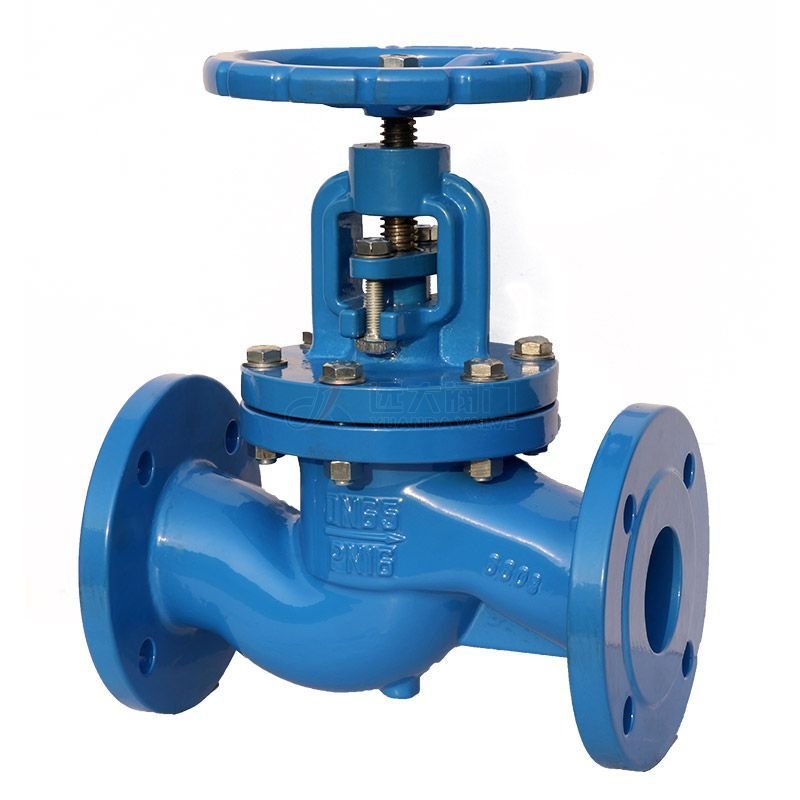
🔄 Fire Protection Butterfly Valve vs Other Valves
| Feature | Butterfly Valve | Gate Valve |
|---|---|---|
| Operation | Quarter-turn | Multi-turn |
| Speed | Fast | Slower |
| Size | Compact | Larger |
| Maintenance | Easy | Moderate |
🛠️ How to Choose the Right Valve
Certification Requirements
Ensure compliance with:
- UL (Underwriters Laboratories)
- FM (Factory Mutual)
- NFPA standards
Pressure Ratings
Select valves suitable for system pressure.
Installation Environment
Consider indoor or outdoor installation conditions.
👉 Recommended category:
https://hongonvalve.com/product/flanged-valves/
🔧 Installation and Maintenance Best Practices
- Install according to standards
- Regularly inspect valve position
- Test operation periodically
- Maintain actuators and seals
- Ensure accessibility for emergency use
📜 Industry Standards and Certifications
Reliable fire protection valves should comply with:
- NFPA
- UL
- FM
- ANSI
🚀 Future Trends in Fire Protection Valves
- Smart monitoring systems
- Remote valve control
- Integration with building management systems
- Improved sealing materials
❓ FAQs
1. What is a fire protection butterfly valve used for?
It controls water flow in fire suppression systems.
2. What certifications are required?
UL, FM, and NFPA compliance.
3. What materials are commonly used?
Ductile iron, stainless steel, and EPDM seals.
4. Where is it installed?
Sprinkler systems, hydrant networks, and industrial facilities.
5. Why is it important?
It ensures reliable water supply during emergencies.
6. Where can I find reliable options?
Visit:
https://hongonvalve.com/
🏁 Conclusion
The fire protection butterfly valve is a crucial component in modern fire safety systems. Its ability to provide fast, reliable flow control ensures that firefighting systems operate effectively when it matters most.
By selecting certified valves and maintaining them properly, facilities can enhance safety, meet regulatory requirements, and protect lives and property.