
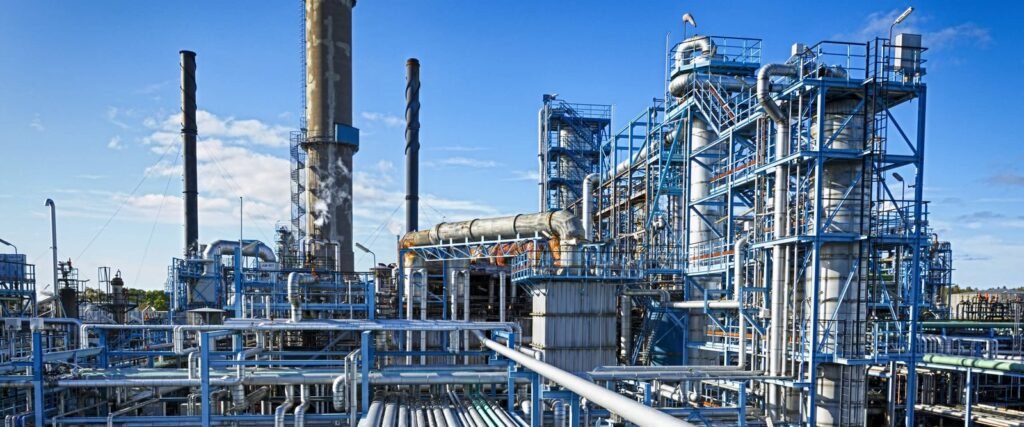
Understanding How to choose butterfly valve for water treatment is essential for ensuring reliable flow control, efficient pipeline operation, and long-term system performance. Butterfly valves are widely used in municipal water systems, wastewater treatment plants, filtration facilities, and industrial water pipelines because of their compact design and cost-effective operation.
Choosing the wrong valve can lead to leakage, corrosion, pressure loss, maintenance issues, and reduced operational efficiency. Selecting the right butterfly valve helps improve system reliability and reduce long-term operating costs.
This guide explains the key factors to consider when choosing a butterfly valve for water treatment applications.
🔍 Why Butterfly Valves Are Important in Water Treatment
Flow Control Functions
Butterfly valves help:
- Regulate water flow
- Isolate pipeline sections
- Control system pressure
- Improve operational efficiency
Pipeline Isolation Capability
Reliable valves are important for:
- Maintenance operations
- Emergency shutdown systems
- Water treatment process control
👉 Explore industrial valve solutions:
https://hongonvalve.com/
🌍 Understanding Water Treatment System Requirements
Clean Water Systems
Municipal clean water systems require:
- Corrosion-resistant materials
- Reliable sealing performance
- Stable pressure control
Wastewater Treatment Systems
Wastewater systems often involve:
- Sludge handling
- Corrosive media
- Abrasive operating conditions
Chemical Dosing Pipelines
Chemical systems may require:
- Stainless steel materials
- Chemical-resistant sealing seats
- High-performance valve designs
🧩 Types of Butterfly Valves for Water Treatment
⚙️ Wafer Butterfly Valve
Advantages:
- Compact structure
- Lightweight design
- Lower installation cost
Suitable for:
- Utility pipelines
- General water treatment systems
🔩 Lug Butterfly Valve
Provides:
- Easier maintenance
- Better pipeline isolation
- Strong installation support
🏭 Flanged Butterfly Valve
Benefits include:
- Strong flange connection
- Better stability for large pipelines
- Improved pressure capability
👉 View industrial flanged valve products:
https://hongonvalve.com/product/flanged-valves/
🔥 Double Offset Butterfly Valve
Suitable for:
- Higher pressure systems
- Reduced seat wear
- Long service life
🧱 How to Choose the Right Valve Material
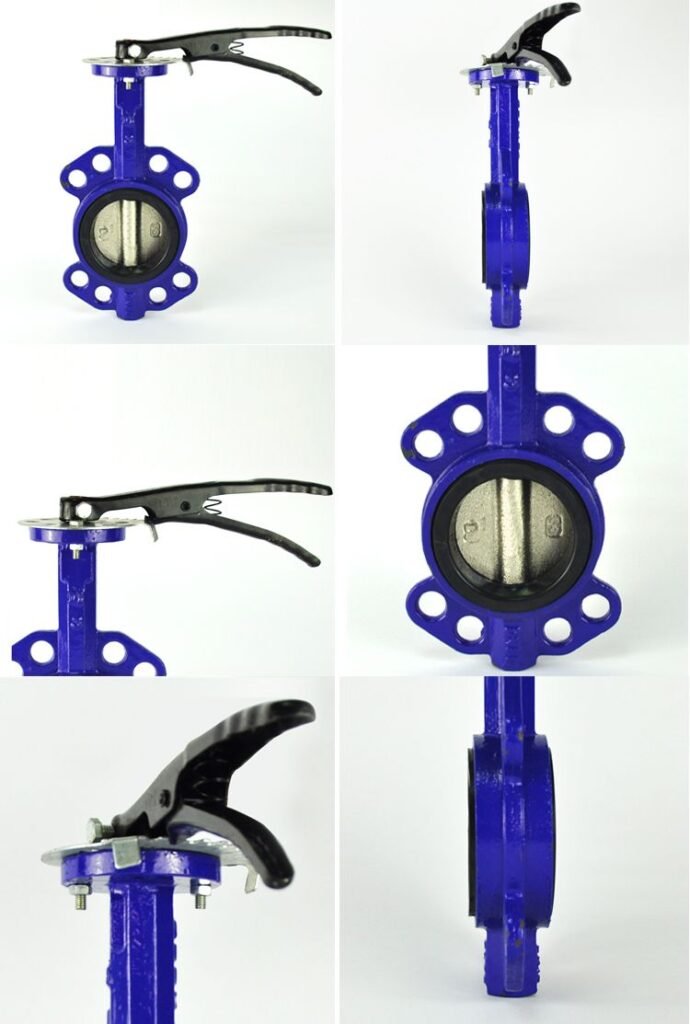
🛠️ Ductile Iron
Advantages:
✨ Stainless Steel
Suitable for:
- Corrosive environments
- Chemical treatment systems
- High sanitation requirements
🧪 EPDM and Rubber Seats
Provide:
- Excellent sealing performance
- Water compatibility
- Long-term durability
📈 Important Factors When Choosing a Butterfly Valve
📊 Pressure Ratings
Choose valves according to:
- System pressure
- Operating conditions
- Pipeline safety requirements
🌡️ Temperature Conditions
Consider:
- Water temperature
- Environmental conditions
- Thermal expansion requirements
🛡️ Corrosion Resistance
Select materials suitable for:
- Water chemistry
- Chlorine exposure
- Wastewater conditions
🔒 Sealing Performance
Reliable sealing systems help:
- Prevent leakage
- Maintain operational stability
- Reduce maintenance costs
📏 Valve Size and Pipeline Compatibility
🌊 Flow Capacity
The valve size should match:
- Pipeline diameter
- Flow requirements
- Water treatment capacity
🔧 Installation Standards
Ensure compatibility with:
- Flange standards
- Pipeline specifications
- Existing infrastructure
📐 Space Requirements
Consider:
- Installation area
- Maintenance access
- Equipment layout
⚡ Manual vs Automated Butterfly Valves
✋ Manual Operation
Manual valves are suitable for:
- Small systems
- Low-frequency operation
- Cost-sensitive applications
🔄 Pneumatic Actuators
Advantages:
- Fast operation
- Automated control
- Industrial process integration
⚙️ Electric Actuators
Electric valves support:
- Remote operation
- Smart control systems
- Automated water treatment facilities
👉 Industry references:
https://www.awwa.org/
https://www.iso.org/standards.html
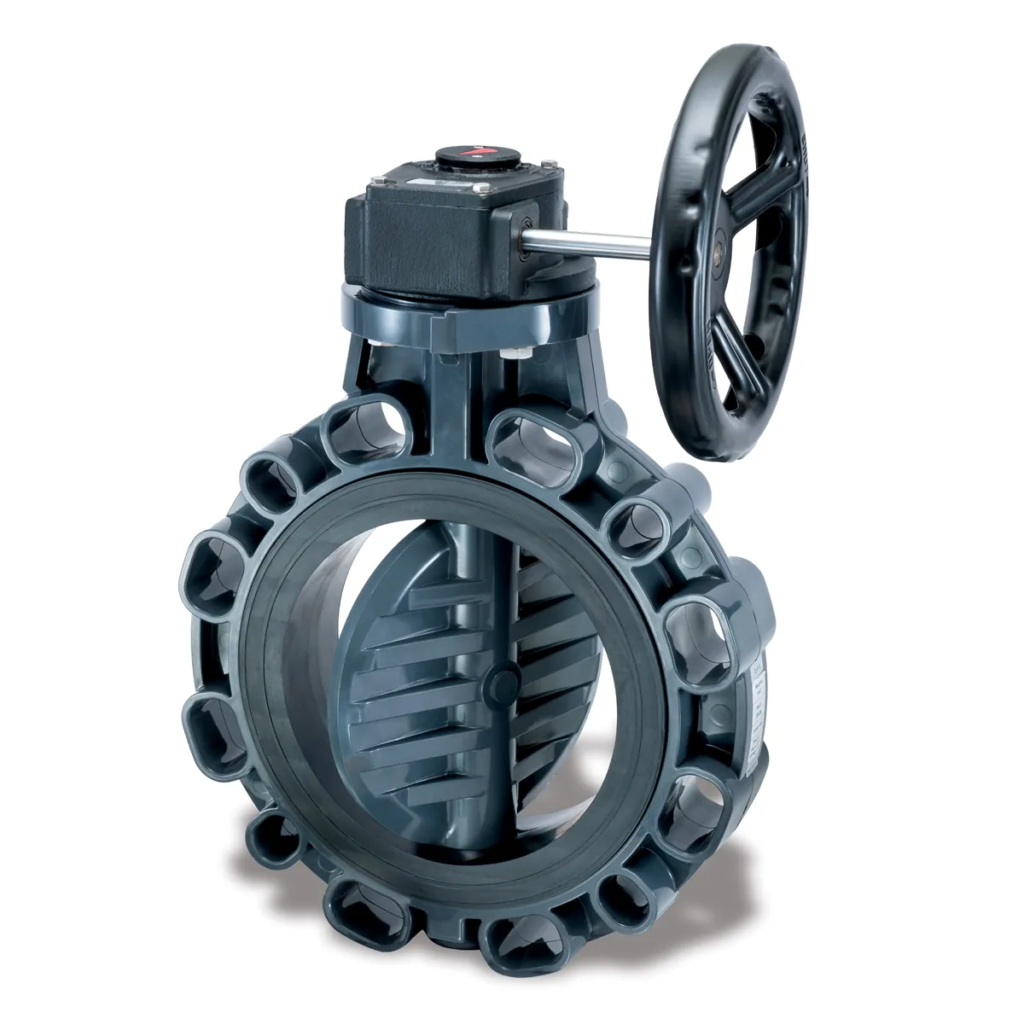
⚙️ Manufacturing and Quality Control
CNC Machining
Precision machining improves:
- Product accuracy
- Surface finishing
- Operational reliability
Pressure Testing
Manufacturers conduct:
- Hydrostatic pressure testing
- Seat leakage inspections
- Functional operation testing
International Certifications
Reliable manufacturers comply with:
- ISO standards
- API requirements
- CE regulations
❌ Common Mistakes to Avoid
Avoid:
- Choosing incorrect pressure ratings
- Ignoring corrosion conditions
- Using unsuitable seat materials
- Selecting improper valve size
These mistakes may lead to:
- Leakage problems
- Reduced valve lifespan
- Operational instability
❓ FAQs
1. Why are butterfly valves widely used in water treatment?
Because they are compact, cost-effective, and easy to maintain.
2. Which butterfly valve type is best for large pipelines?
Flanged butterfly valves are commonly used for larger systems.
3. What materials are suitable for water treatment valves?
Ductile iron, stainless steel, and EPDM rubber seats.
4. How important is pressure rating selection?
Very important for safety and operational reliability.
5. Should I choose manual or automated valves?
It depends on system size, operational frequency, and automation requirements.
6. Where can I find industrial butterfly valves for water treatment?
Visit:
https://hongonvalve.com/
🏁 Conclusion
Understanding How to choose butterfly valve for water treatment helps businesses improve pipeline reliability, operational efficiency, and long-term maintenance performance. By selecting the correct valve type, materials, pressure rating, and sealing system, water treatment facilities can ensure stable and efficient operation.
Working with experienced manufacturers and certified suppliers also helps guarantee product quality and long-term industrial reliability.