
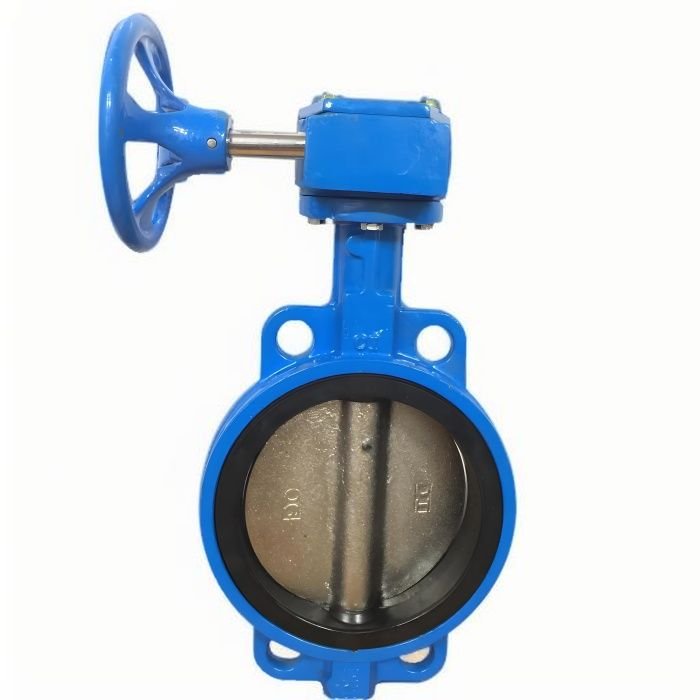
Understanding the differences between Butterfly Valve vs Gate Valve designs is important for selecting the right industrial flow control solution. Both valve types are widely used in industrial pipelines, water treatment systems, oil and gas facilities, HVAC systems, and manufacturing plants.
Although both valves can isolate or regulate fluid flow, they operate differently and provide different advantages depending on pressure conditions, installation space, maintenance requirements, and industrial applications.
Choosing the right valve helps improve pipeline efficiency, operational reliability, and long-term maintenance performance.
🦋 What Is a Butterfly Valve?
Structure and Design
A butterfly valve uses:
- A rotating disc
- A central shaft
- A sealing seat
- Quarter-turn operation
The disc rotates inside the pipeline to open or close fluid flow.
Working Principle
The valve operates by rotating the disc:
- Parallel position allows flow
- Perpendicular position blocks flow
Butterfly valves provide fast opening and closing capability.
👉 Explore industrial valve solutions:
https://hongonvalve.com/
🚪 What Is a Gate Valve?
Structure and Design
A gate valve uses:
- A sliding gate or wedge
- Linear motion operation
- Multi-turn handwheel mechanism
The gate moves vertically to control flow.
Working Principle
When the gate rises:
- Flow passes through the valve fully
When the gate lowers:
- Flow is completely blocked
Gate valves are mainly used for full open or full close operation.
🔍 Butterfly Valve vs Gate Valve: Main Differences
⚙️ Flow Control Mechanism
Butterfly Valve
- Uses rotating disc movement
- Suitable for throttling and isolation
- Allows faster operation
Gate Valve
- Uses vertical gate movement
- Mainly for isolation applications
- Less suitable for throttling
⏱️ Opening and Closing Speed
Butterfly Valve
- Quarter-turn operation
- Fast open and close performance
Gate Valve
- Multi-turn operation
- Slower opening and closing process
📏 Installation Space
Butterfly Valve
Advantages:
- Compact structure
- Lightweight design
- Smaller installation footprint
Gate Valve
Requires:
- More vertical installation space
- Larger structural support
📉 Pressure Drop Comparison
Butterfly Valve
- Disc remains inside flow path
- Slight pressure drop may occur
Gate Valve
- Full bore opening design
- Minimal flow resistance when fully open
👉 View industrial flanged valve products:
https://hongonvalve.com/product/flanged-valves/
⭐ Advantages of Butterfly Valves
Compact Design
Butterfly valves:
- Save installation space
- Reduce system weight
- Simplify pipeline layouts
Lightweight Construction
Their structure:
- Reduces transportation cost
- Improves installation efficiency
- Supports easier handling
Lower Maintenance Costs
Simple operation helps:
- Reduce downtime
- Improve maintenance efficiency
- Lower operating costs
🏭 Advantages of Gate Valves
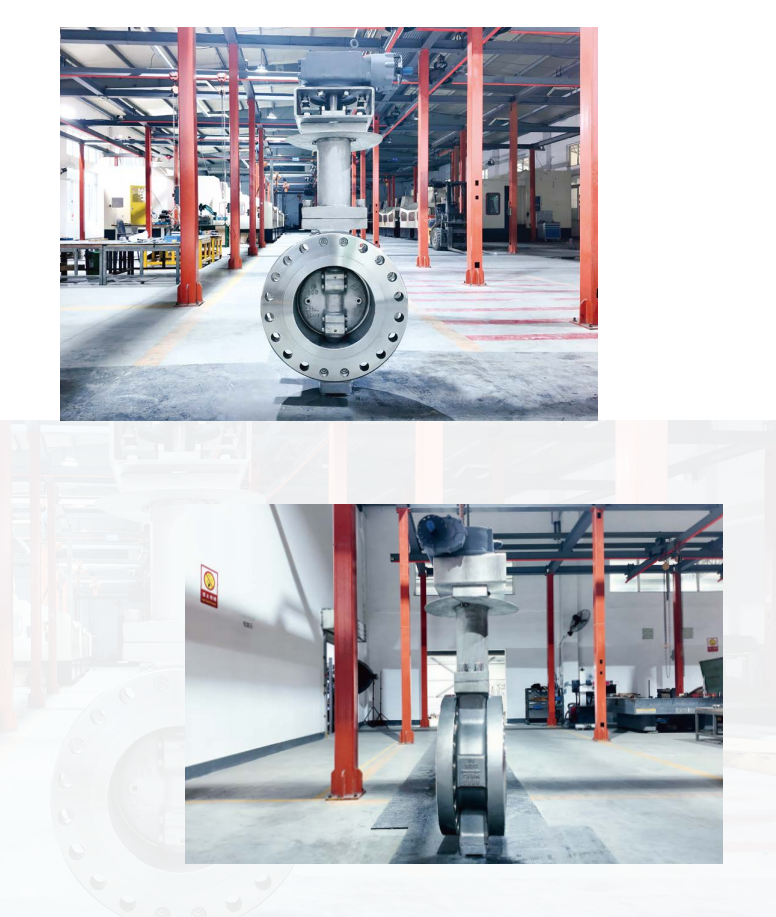
Full Bore Flow
Gate valves:
High Pressure Capability
Suitable for:
- High-pressure pipelines
- Steam systems
- Industrial process applications
Strong Isolation Performance
Gate valves provide:
- Tight shutoff capability
- Reliable pipeline isolation
- Durable operation under pressure
🌍 Applications of Butterfly Valves
Water Treatment Systems
Used in:
- Municipal water supply
- Wastewater treatment plants
- Filtration systems
HVAC Systems
Controls:
- Heating systems
- Cooling systems
- Air conditioning pipelines
Industrial Utility Pipelines
Suitable for:
- Manufacturing facilities
- Utility operations
- General industrial systems
🔥 Applications of Gate Valves
Oil and Gas Pipelines
Installed in:
- Crude oil systems
- Natural gas transportation
- Refinery operations
Steam Systems
Suitable for:
- High-temperature pipelines
- Boiler systems
- Power generation facilities
High Pressure Industrial Systems
Used where:
- Full shutoff capability is critical
- Pressure conditions are demanding
- Flow resistance must remain low
👉 Industry references:
https://www.api.org/
https://www.iso.org/standards.html
🧱 Materials Used in Industrial Valves
Ductile Iron
- Durable and economical
- Common in water systems
Stainless Steel
- Corrosion resistant
- Suitable for chemical industries
Carbon Steel
- High mechanical strength
- Suitable for industrial pressure systems
🔍 How to Choose the Right Valve
Pressure Requirements
Select valves according to:
- System pressure
- Operating conditions
- Industrial safety standards
Pipeline Conditions
Consider:
- Installation space
- Flow requirements
- Maintenance accessibility
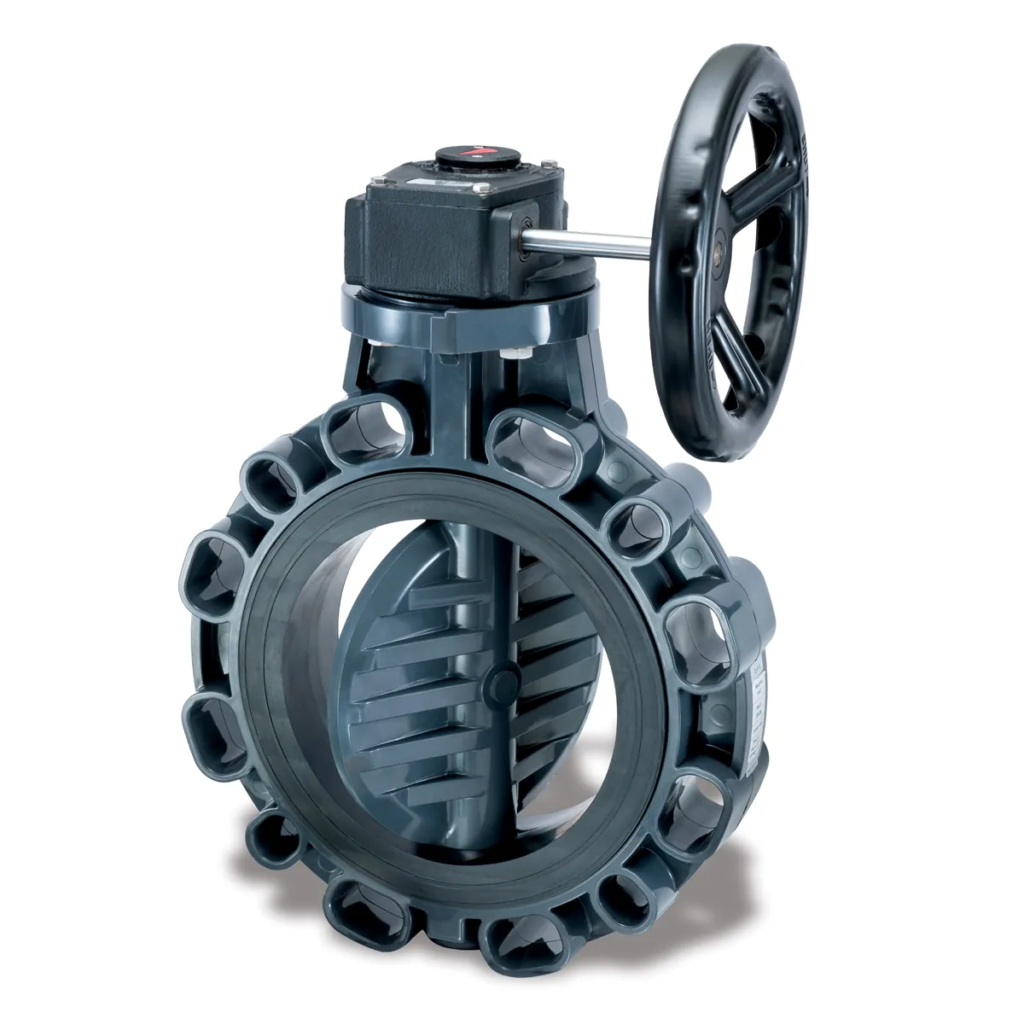
Cost Considerations
Evaluate:
- Initial installation cost
- Maintenance expenses
- Long-term operational value
⚙️ Manufacturing and Quality Control
CNC Machining
Precision machining improves:
- Product accuracy
- Surface finishing
- Operational reliability
Pressure Testing
Manufacturers conduct:
- Shell pressure testing
- Seat leakage inspections
- Functional operation testing
International Certifications
Reliable manufacturers comply with:
- ISO standards
- API requirements
- CE regulations
❓ FAQs
1. What is the main difference between butterfly valve and gate valve?
Butterfly valves use rotating discs, while gate valves use vertical sliding gates.
2. Which valve opens faster?
Butterfly valves open and close faster because of quarter-turn operation.
3. Which valve is better for high-pressure systems?
Gate valves are often preferred for very high-pressure applications.
4. Are butterfly valves suitable for throttling?
Yes, butterfly valves can regulate flow effectively.
5. Which valve requires less installation space?
Butterfly valves have a more compact structure.
6. Where can I find industrial butterfly valves and gate valves?
Visit:
https://hongonvalve.com/
🏁 Conclusion
Understanding the differences between Butterfly Valve vs Gate Valve designs helps businesses select suitable industrial flow control solutions for various pipeline systems. Butterfly valves offer compact design, fast operation, and lower maintenance costs, while gate valves provide full bore flow and strong high-pressure performance.
By evaluating pressure requirements, installation conditions, and operational needs, companies can choose the most effective valve solution for long-term industrial reliability.