
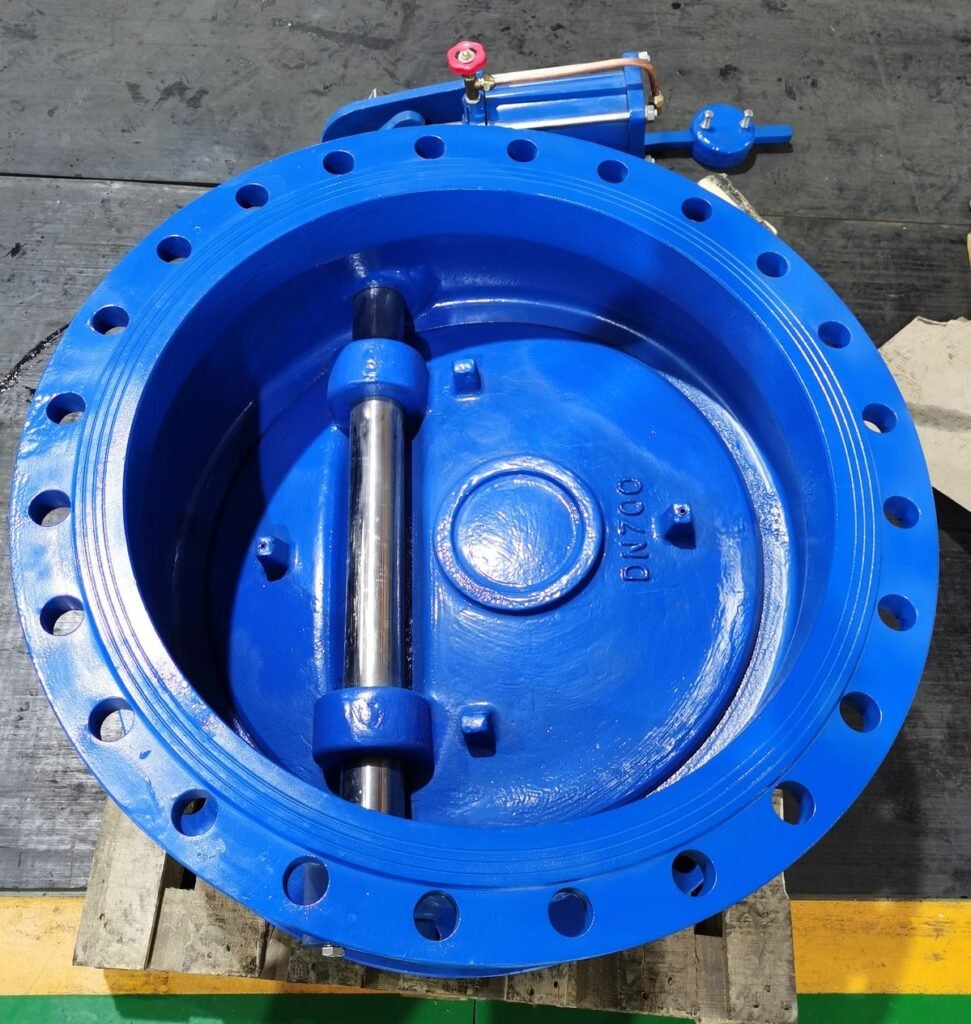
An industrial butterfly valve is one of the most widely used flow control devices in modern pipeline systems. Known for its compact structure, lightweight design, and efficient operation, the butterfly valve has become a preferred solution across industries ranging from water treatment and HVAC to oil & gas and chemical processing.
As industrial facilities continue to demand reliable, cost-effective, and high-performance flow control equipment, butterfly valves have evolved into versatile products capable of handling a wide variety of operating conditions. Whether used for isolation, throttling, or regulating fluid flow, an industrial butterfly valve offers exceptional value and long-term performance.
What Is an Industrial Butterfly Valve?
Definition and Purpose
An industrial butterfly valve is a quarter-turn valve that controls fluid flow through a rotating disc mounted on a shaft. When the disc rotates parallel to the flow direction, the valve opens. When rotated perpendicular to the flow, the valve closes and stops the movement of fluid.
These valves are commonly used to:
- Start or stop flow
- Regulate pipeline pressure
- Control fluid volume
- Isolate sections of piping systems
- Improve operational safety
Key Components
A typical industrial butterfly valve consists of:
| Component | Function |
|---|---|
| Valve Body | Main structural housing |
| Disc | Controls fluid flow |
| Stem/Shaft | Connects actuator to disc |
| Seat | Provides sealing |
| Actuator | Operates valve manually or automatically |
How an Industrial Butterfly Valve Works
Quarter-Turn Operation
The butterfly valve operates using a simple 90-degree rotation. This design allows operators to quickly open or close the valve with minimal effort.
Benefits include:
- Faster operation
- Reduced wear
- Simplified automation
- Improved process control
Flow Control Mechanism
Unlike some isolation valves that are only fully open or closed, butterfly valves can also regulate flow. By partially rotating the disc, operators can achieve precise flow adjustments suitable for many industrial processes.
Why Industrial Butterfly Valves Are Popular
Compact Design
Compared with gate valves and globe valves, butterfly valves require significantly less installation space.
This makes them ideal for:
- Tight mechanical rooms
- Compact skid systems
- Industrial processing units
Cost Efficiency
Industrial butterfly valves are often more affordable because they:
- Use fewer materials
- Have simpler construction
- Require less maintenance
For large-diameter pipelines, the savings can be substantial.
Easy Maintenance
The straightforward design allows:
- Faster inspections
- Easier replacement of seals
- Reduced downtime
This lowers overall operating costs throughout the valve lifecycle.
Main Types of Industrial Butterfly Valve
Wafer Butterfly Valve
The wafer design fits between two flanges and is secured using flange bolts.
Advantages:
- Lightweight
- Cost-effective
- Easy installation
Applications:
- Water treatment
- HVAC systems
- Utility services
Lug Butterfly Valve
Lug valves feature threaded inserts around the body.
Benefits:
- Easier maintenance
- Pipeline isolation capability
- Greater installation flexibility
Applications:
- Chemical processing
- Industrial plants
- Water distribution networks
Flanged Butterfly Valve
Flanged valves incorporate integrated flange ends.
Advantages:
- Stronger support
- Better alignment
- Enhanced stability
Applications:
- Large-diameter pipelines
- Water treatment plants
- Industrial facilities
Double Offset Butterfly Valve
Double offset designs reduce friction between the disc and seat.
Benefits:
- Longer service life
- Improved sealing
- Reduced torque requirements
Applications:
- Oil and gas
- Steam systems
- Power plants
Triple Offset Butterfly Valve
Triple offset valves provide metal-to-metal sealing for demanding environments.
Advantages:
- Zero leakage performance
- High-temperature resistance
- Excellent durability
Applications:
- Petrochemical plants
- LNG facilities
- Offshore platforms
Common Materials Used
Ductile Iron
Ductile iron is widely used because it offers:
- Excellent strength
- Cost efficiency
- Good corrosion resistance
Suitable for:
- Water treatment
- Municipal systems
Stainless Steel
Stainless steel provides:
- Superior corrosion resistance
- Hygienic properties
- Long service life
Commonly used in:
- Food processing
- Chemical industries
- Marine environments
Carbon Steel
Carbon steel valves offer:
- High mechanical strength
- Excellent pressure resistance
- Good durability
Applications include:
- Industrial utilities
- Energy facilities
Special Alloy Materials
Advanced industries may require:
- Duplex stainless steel
- Monel
- Hastelloy
- Titanium alloys
These materials improve performance in highly corrosive environments.
Industrial Applications
Water Treatment
Industrial butterfly valves are commonly installed in:
- Municipal water plants
- Wastewater treatment facilities
- Filtration systems
- Desalination plants
Oil and Gas
Applications include:
- Refineries
- Pipeline transportation
- Storage terminals
- Offshore production platforms
Chemical Processing
Chemical facilities rely on butterfly valves for:
- Corrosive fluids
- Acid handling
- Chemical transport systems
Power Generation
Power plants use butterfly valves for:
- Cooling water systems
- Steam applications
- Utility pipelines
HVAC Systems
HVAC installations require butterfly valves for:
- Chilled water systems
- Heating loops
- Air handling operations
Advantages of Industrial Butterfly Valve
Fast Operation
Quarter-turn movement enables rapid response during emergencies and process changes.
Reduced Installation Space
Compact construction simplifies installation in confined spaces.
Long Service Life
Modern sealing materials and advanced manufacturing techniques help maximize valve lifespan.
Selecting the Right Industrial Butterfly Valve
Pressure Rating
Common pressure standards include:
- PN10
- PN16
- ANSI Class 150
- ANSI Class 300
Valve Size
Selection depends on:
- Pipeline diameter
- Flow requirements
- System design
Media Compatibility
Consider:
- Water
- Steam
- Chemicals
- Gas
- Slurries
Operating Temperature
Material selection should match the temperature range of the application.
Manufacturing and Quality Standards
Precision Machining
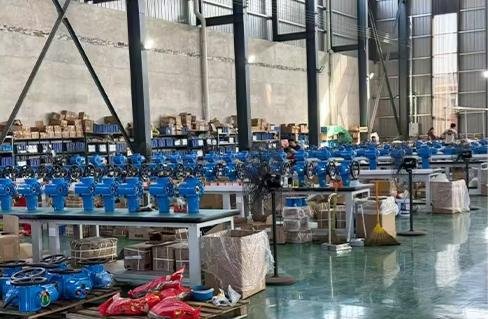
Modern factories utilize CNC equipment to ensure:
- Accurate dimensions
- Consistent quality
- Reliable performance
Pressure Testing
Each industrial butterfly valve should undergo:
- Hydrostatic testing
- Seat leakage testing
- Functional operation testing
International Certifications
Look for manufacturers that comply with:
- ISO 9001
- CE Standards
- API Requirements
For additional industry standards, refer to:
Future Trends in Butterfly Valve Technology
Smart Actuation
Digital actuators now provide:
- Remote monitoring
- Real-time diagnostics
- Predictive maintenance
Energy Efficiency
New valve designs reduce torque requirements and operating costs.
Advanced Materials
Improved alloys and sealing technologies continue to enhance performance and longevity.
FAQs
1. What is an industrial butterfly valve used for?
It is used to regulate, isolate, or control fluid flow in industrial pipeline systems.
2. What are the main types of industrial butterfly valve?
Wafer, lug, flanged, double offset, and triple offset butterfly valves.
3. Which industries use industrial butterfly valves?
Water treatment, oil & gas, power generation, HVAC, and chemical processing industries.
4. What material is best for butterfly valves?
The best material depends on the application, but ductile iron and stainless steel are among the most common choices.
5. Are butterfly valves suitable for high-pressure applications?
Yes. Double offset and triple offset butterfly valves are specifically designed for higher-pressure environments.
6. Where can I find a reliable industrial butterfly valve supplier?
You can learn more about industrial valve solutions at https://hongonvalve.com/.
Conclusion
The industrial butterfly valve remains one of the most practical and efficient flow control solutions available today. Its compact design, cost-effectiveness, easy operation, and versatility make it suitable for a wide range of industrial applications.
From municipal water systems to complex petrochemical facilities, selecting the right butterfly valve can improve operational efficiency, reduce maintenance costs, and enhance long-term system reliability. By working with an experienced manufacturer and choosing the appropriate valve type, businesses can ensure safe and dependable performance for years to come.