
What Is a Flange Butterfly Valve?
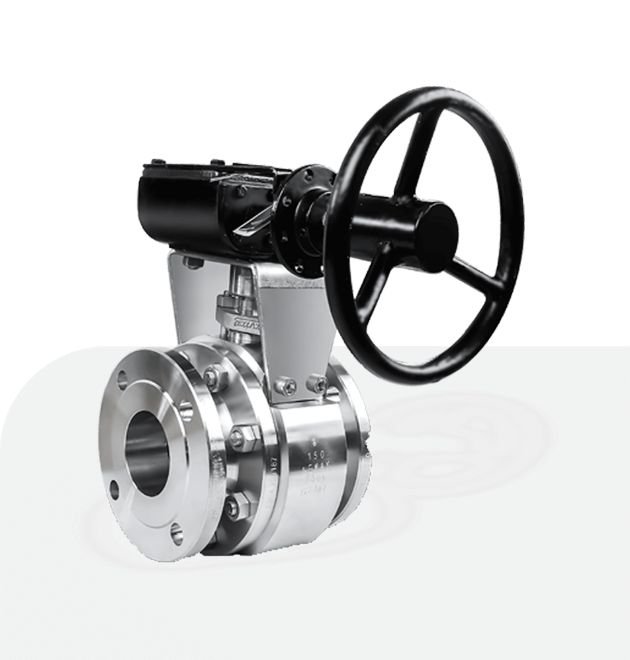
A flange butterfly valve is a quarter-turn valve designed to control, regulate, or isolate fluid flow in a pipeline. Unlike wafer-style valves that are clamped between flanges, a flange butterfly valve features integrated flanges on both sides of the valve body, allowing direct connection to piping systems.
Due to its robust construction and secure installation, the flange butterfly valve is widely used in water treatment plants, industrial processing facilities, HVAC systems, power stations, and oil and gas projects.
The valve operates through a rotating disc positioned in the center of the pipe. When the disc rotates parallel to the flow, the valve opens. When rotated perpendicular to the flow, it closes and blocks the medium.
How Does a Flange Butterfly Valve Work?
The working principle of a flange butterfly valve is straightforward. A stem connects the actuator or handle to the valve disc. Rotating the stem turns the disc inside the valve body.
Operating Positions
| Position | Function |
|---|---|
| 0° | Fully Closed |
| 45° | Partial Flow Control |
| 90° | Fully Open |
This quarter-turn mechanism enables fast operation while minimizing pressure loss across the system.
Key Components
A typical flange butterfly valve includes:
- Valve body
- Disc
- Stem
- Seat
- Flanges
- Actuator or gearbox
These components work together to provide reliable flow control and long service life.
Advantages of a Flange Butterfly Valve
Strong and Secure Connection
Integrated flanges provide excellent support and alignment within the piping system. This design minimizes installation errors and improves system stability.
Suitable for Large-Diameter Pipelines
Flange butterfly valves are commonly manufactured in larger sizes, making them ideal for municipal and industrial applications.
Easy Maintenance
The valve design allows straightforward inspection and maintenance, helping reduce operational downtime.
Excellent Sealing Performance
Modern sealing materials such as EPDM, NBR, PTFE, and metal seats provide dependable shutoff performance in various operating conditions.
Cost-Effective Solution
Compared with many gate and globe valves of similar sizes, butterfly valves offer lower installation and maintenance costs.
Types of Flange Butterfly Valve
Center Line Flange Butterfly Valve
This is the most common design for low- and medium-pressure applications.
Features include:
- Simple structure
- Soft-seated design
- Economical pricing
- Easy operation
Applications:
- Water distribution
- HVAC systems
- Municipal pipelines
Double Offset Flange Butterfly Valve
The stem is offset from the centerline of the disc and seat.
Benefits:
- Reduced seat wear
- Lower operating torque
- Improved sealing performance
Applications:
- Industrial processing
- Oil and gas systems
- Power plants
Triple Offset Flange Butterfly Valve
This high-performance design uses a metal-to-metal sealing structure.
Advantages:
- Bubble-tight shutoff
- High-temperature resistance
- Long service life
Applications:
- Petrochemical facilities
- LNG projects
- Steam systems
Common Materials Used
Material selection depends on operating pressure, temperature, and media characteristics.
Ductile Iron
Advantages:
- High strength
- Cost-effective
- Good corrosion resistance
Commonly used for:
- Water treatment
- Municipal infrastructure
Stainless Steel
Benefits:
- Excellent corrosion resistance
- Hygienic performance
- Long lifespan
Suitable for:
- Chemical processing
- Food industries
- Marine environments
Carbon Steel
Characteristics:
- High pressure resistance
- Strong mechanical properties
- Durable construction
Applications:
- Industrial utilities
- Energy projects
Applications of Flange Butterfly Valve
Water Treatment Systems
Flange butterfly valves are widely installed in:
- Water treatment plants
- Wastewater facilities
- Pump stations
- Filtration systems
Their lightweight design and reliable sealing make them ideal for water management applications.
Oil and Gas Industry
These valves help control:
- Crude oil transportation
- Refinery operations
- Natural gas distribution
Double and triple offset designs are particularly popular in this sector.
Chemical Processing
Chemical facilities require valves capable of handling:
- Corrosive fluids
- Acids
- Solvents
- High-temperature media
Stainless steel and PTFE-lined butterfly valves are commonly selected.
HVAC Systems
Butterfly valves regulate chilled water and heating circuits in commercial buildings and industrial facilities.
Power Generation
Power plants use flange butterfly valves for:
- Cooling water systems
- Condensate pipelines
- Utility services
Flange Butterfly Valve vs Wafer Butterfly Valve
Many buyers compare these two popular valve designs before making a purchasing decision.
| Feature | Flange Butterfly Valve | Wafer Butterfly Valve |
|---|---|---|
| Connection | Flanged Ends | Installed Between Flanges |
| Strength | Higher | Moderate |
| Installation Stability | Excellent | Good |
| Cost | Higher | Lower |
| Pipeline Size | Medium to Large | Small to Medium |
| Maintenance | Easier Alignment | Compact Design |
For demanding industrial environments, flange butterfly valves are often preferred because of their enhanced structural support.
How to Select the Right Flange Butterfly Valve
Consider Pressure Rating
Common standards include:
- PN10
- PN16
- ANSI Class 150
- ANSI Class 300
Choose a valve that meets or exceeds system operating pressure.
Evaluate Media Compatibility
Consider:
- Water
- Steam
- Gas
- Chemicals
- Slurries
The seat and body materials must be compatible with the process medium.
Check Temperature Requirements
Different sealing materials perform differently under extreme temperatures.
Select Appropriate Actuation
Options include:
- Lever operation
- Gearbox operation
- Pneumatic actuator
- Electric actuator
Automation can improve efficiency and reduce labor costs.
Quality Standards and Testing
Reliable manufacturers conduct strict quality control procedures.
Testing Methods
- Hydrostatic pressure testing
- Seat leakage testing
- Torque testing
- Operational cycle testing
Industry Standards
Common certifications include:
- ISO 9001
- CE
- API
- EN Standards
For industry specifications, visit:
Frequently Asked Questions
What is a flange butterfly valve used for?
A flange butterfly valve is used to regulate, isolate, or control fluid flow in industrial pipeline systems.
What is the advantage of a flange butterfly valve?
Its flanged connection provides strong structural support, stable installation, and reliable sealing performance.
Which industries use flange butterfly valves?
Water treatment, oil and gas, chemical processing, HVAC, and power generation industries.
What materials are commonly used?
Ductile iron, stainless steel, carbon steel, and specialty alloys.
Can flange butterfly valves be automated?
Yes. They can be equipped with pneumatic, electric, or hydraulic actuators.
How long does a flange butterfly valve last?
With proper maintenance and suitable operating conditions, a high-quality valve can provide many years of reliable service.
Conclusion
A flange butterfly valve is a reliable and efficient flow control solution for a wide range of industrial applications. Its strong flange-end connection, excellent sealing performance, and ability to handle large-diameter pipelines make it a preferred choice for water treatment facilities, industrial plants, power stations, and energy projects.
By selecting the right valve type, material, and pressure rating, businesses can improve system efficiency, reduce maintenance costs, and ensure long-term operational reliability.