
What Is a Wafer Butterfly Valve?
A wafer butterfly valve is one of the most widely used quarter-turn valves in industrial piping systems. Designed to fit between two pipe flanges, it provides efficient flow isolation and regulation while maintaining a compact and lightweight structure.
Compared with other valve types, wafer butterfly valves offer an excellent balance of performance, cost-effectiveness, and ease of installation. Their simple design makes them suitable for a broad range of industries, including water treatment, HVAC, chemical processing, food manufacturing, and industrial utilities.
Because the valve body is installed between two flanges using through-bolts, the wafer design reduces weight and installation space while maintaining reliable sealing performance.
How Does a Wafer Butterfly Valve Work?
A wafer butterfly valve operates through a rotating disc located at the center of the valve body. The disc is connected to a stem, which is controlled manually or through an actuator.
When the stem rotates:
- The disc turns parallel to the flow path to allow fluid passage.
- The disc turns perpendicular to the flow path to stop flow completely.
- Intermediate positions allow flow regulation.
This simple quarter-turn mechanism provides fast operation and minimal pressure drop.
Operating Positions
| Disc Position | Valve Status |
|---|---|
| 0° | Fully Closed |
| 45° | Partial Flow Control |
| 90° | Fully Open |
Main Components of a Wafer Butterfly Valve
A typical wafer butterfly valve consists of:
Valve Body
The compact body fits directly between pipe flanges.
Disc
The disc controls fluid flow through rotation.
Stem
The stem transfers motion from the actuator to the disc.
Seat
The seat creates a tight seal between the disc and valve body.
Actuator
Can be operated by:
- Lever handle
- Gear operator
- Pneumatic actuator
- Electric actuator
Advantages of a Wafer Butterfly Valve
Compact Design
One of the biggest advantages of a wafer butterfly valve is its compact construction.
Benefits include:
- Reduced installation space
- Lower weight
- Easier transportation
This makes it ideal for facilities where space is limited.
Cost-Effective Solution
Wafer butterfly valves generally require:
- Less material
- Lower manufacturing costs
- Reduced installation expenses
For large-scale projects, these savings can be significant.
Quick Installation
The valve fits directly between flanges, simplifying installation and reducing labor requirements.
Low Maintenance Requirements
With fewer moving parts than many other valve types, maintenance is straightforward and economical.
Reliable Flow Control
Modern seat materials provide excellent sealing performance and dependable operation.
Types of Wafer Butterfly Valve
Resilient Seated Wafer Butterfly Valve
This is the most common design.
Features include:
- Soft sealing seat
- Excellent shutoff performance
- Economical construction
Applications:
- Water distribution
- HVAC systems
- General industrial services
High-Performance Wafer Butterfly Valve
Designed for more demanding operating conditions.
Benefits:
- Higher pressure capability
- Improved durability
- Enhanced sealing performance
Applications:
- Industrial processing
- Chemical facilities
- Energy systems
Metal Seated Wafer Butterfly Valve
Used in high-temperature environments.
Advantages:
- Excellent wear resistance
- Suitable for steam service
- Long service life
Applications:
- Power plants
- Petrochemical facilities
- Refineries
Common Materials Used
Material selection is critical to valve performance and longevity.
Ductile Iron Wafer Butterfly Valve
Advantages:
- High strength
- Affordable cost
- Good corrosion resistance
Suitable for:
- Water treatment
- Municipal infrastructure
Stainless Steel Wafer Butterfly Valve
Benefits:
- Superior corrosion resistance
- Hygienic operation
- Long lifespan
Applications:
- Food processing
- Chemical industries
- Marine systems
Carbon Steel Wafer Butterfly Valve
Characteristics:
- High mechanical strength
- Excellent pressure resistance
- Durable performance
Applications:
- Industrial utilities
- Energy facilities
Applications of Wafer Butterfly Valve
Water Treatment Systems
Water treatment facilities commonly use wafer butterfly valves for:
- Water distribution networks
- Filtration systems
- Pump stations
- Wastewater treatment plants
The lightweight design simplifies installation in large piping systems.
HVAC Systems
Butterfly valves help regulate:
- Chilled water systems
- Heating circuits
- Cooling towers
Their compact size is especially valuable in mechanical rooms.
Chemical Processing Plants
Chemical facilities rely on wafer butterfly valves for:
- Corrosive fluids
- Process water systems
- Chemical transfer lines
Proper material selection is essential in these environments.
Food and Beverage Industry
Stainless steel wafer butterfly valves are frequently used for:
- Process water
- Cleaning systems
- Product transfer lines
Industrial Utilities
Many factories install wafer butterfly valves in:
- Compressed air systems
- Utility water lines
- General service pipelines
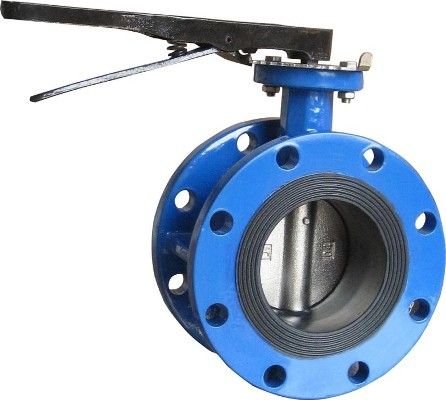
Wafer Butterfly Valve vs Flanged Butterfly Valve
Both designs are widely used, but they serve different operational needs.
| Feature | Wafer Butterfly Valve | Flanged Butterfly Valve |
|---|---|---|
| Installation | Between Flanges | Flanged Ends |
| Weight | Lighter | Heavier |
| Cost | Lower | Higher |
| Space Requirement | Compact | Larger |
| Pressure Capability | Moderate | Higher |
| Maintenance | Simple | Easier Alignment |
For many water treatment and HVAC projects, wafer butterfly valves provide the most economical solution.
How to Select the Right Wafer Butterfly Valve
Determine Pressure Rating
Common standards include:
- PN10
- PN16
- ANSI Class 150
The selected valve should match system requirements.
Choose Suitable Materials
Consider:
- Fluid characteristics
- Corrosion potential
- Temperature range
Evaluate Valve Size
Correct sizing improves:
- Flow efficiency
- Energy consumption
- System reliability
Select Actuation Method
Available options include:
- Manual lever
- Worm gear
- Pneumatic actuator
- Electric actuator
Automation can improve operational efficiency in large facilities.
Manufacturing and Quality Standards
Reliable manufacturers perform strict quality inspections throughout production.
Testing Procedures
- Hydrostatic pressure testing
- Seat leakage testing
- Torque testing
- Functional operation testing
International Certifications
Look for valves manufactured according to:
- ISO 9001
- CE Standards
- API Requirements
Industry references:
For industrial butterfly valve solutions, visit:
https://hongonvalve.com/
Frequently Asked Questions
What is a wafer butterfly valve used for?
A wafer butterfly valve is used to regulate or isolate fluid flow in industrial pipeline systems.
What is the difference between a wafer and flanged butterfly valve?
A wafer butterfly valve fits between pipe flanges, while a flanged butterfly valve uses integrated flange connections.
Which industries use wafer butterfly valves?
Water treatment, HVAC, chemical processing, food manufacturing, and industrial utilities.
What materials are available?
Common materials include ductile iron, stainless steel, and carbon steel.
Can wafer butterfly valves be automated?
Yes. They can be equipped with pneumatic or electric actuators.
Are wafer butterfly valves suitable for high-pressure applications?
Standard wafer valves are generally used for low- to medium-pressure systems, while high-performance designs can handle more demanding conditions.
Conclusion
A wafer butterfly valve is a practical, cost-effective, and reliable flow control solution for a wide range of industrial applications. Its compact design, lightweight construction, easy installation, and dependable sealing performance make it one of the most popular valve types in modern pipeline systems.
Whether used in water treatment plants, HVAC networks, chemical facilities, or industrial utilities, selecting the right wafer butterfly valve can improve efficiency, reduce maintenance costs, and enhance long-term system reliability.