
What Is a Lug Butterfly Valve?
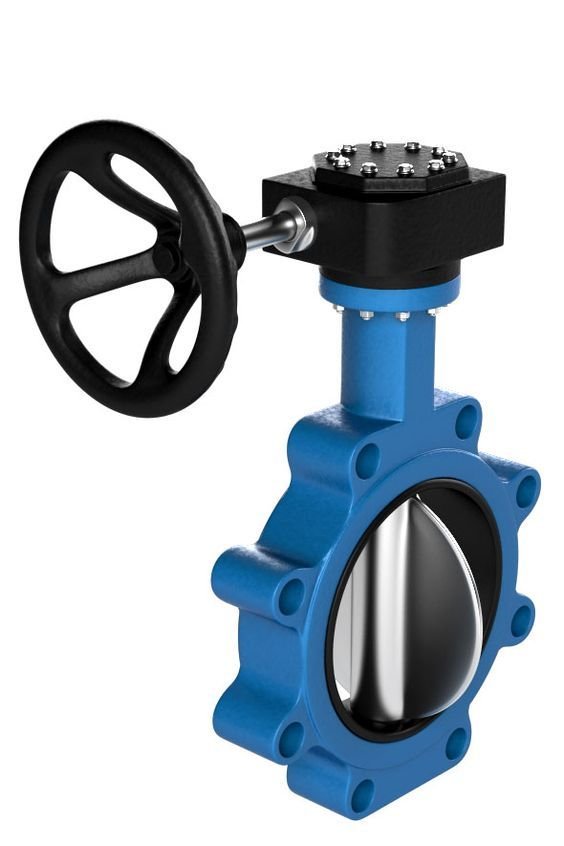
A lug butterfly valve is a quarter-turn flow control valve designed with threaded inserts, known as lugs, located around the valve body. These threaded lugs allow the valve to be bolted directly to pipe flanges on both sides, creating a secure and reliable connection.
Unlike wafer butterfly valves, which rely on long bolts passing through the entire pipeline assembly, lug butterfly valves can be installed and removed from one side of the pipeline without affecting the opposite side. This unique design makes them highly suitable for systems requiring regular maintenance, equipment replacement, or sectional pipeline isolation.
Lug butterfly valves are widely used in:
- Water treatment plants
- Industrial processing facilities
- HVAC systems
- Oil and gas pipelines
- Chemical plants
- Power generation projects
Their combination of compact design, dependable sealing, and easy maintenance makes them one of the most versatile butterfly valve configurations available today.
How Does a Lug Butterfly Valve Work?
Like other butterfly valves, a lug butterfly valve operates using a rotating disc positioned inside the valve body.
When the actuator or handle turns the stem:
- The disc rotates parallel to the flow path, allowing fluid to pass.
- The disc rotates perpendicular to the flow path, stopping the flow.
- Partial rotation enables flow regulation and throttling.
Valve Positions
| Disc Position | Valve Status |
|---|---|
| 0° | Fully Closed |
| 45° | Partial Flow |
| 90° | Fully Open |
The quarter-turn design allows quick operation while minimizing pressure loss.
Key Components of a Lug Butterfly Valve
Valve Body
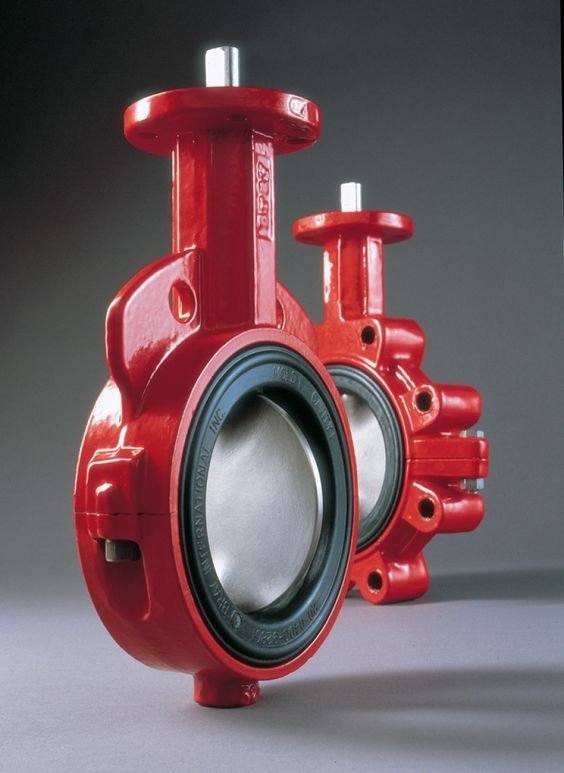
The valve body contains threaded lugs that provide independent flange connections.
Disc
The disc regulates fluid flow by rotating within the valve body.
Stem
The stem transfers rotational movement from the actuator to the disc.
Seat
The seat provides sealing between the disc and valve body.
Common seat materials include:
- EPDM
- NBR
- PTFE
- Metal seats
Actuator
Lug butterfly valves can be operated using:
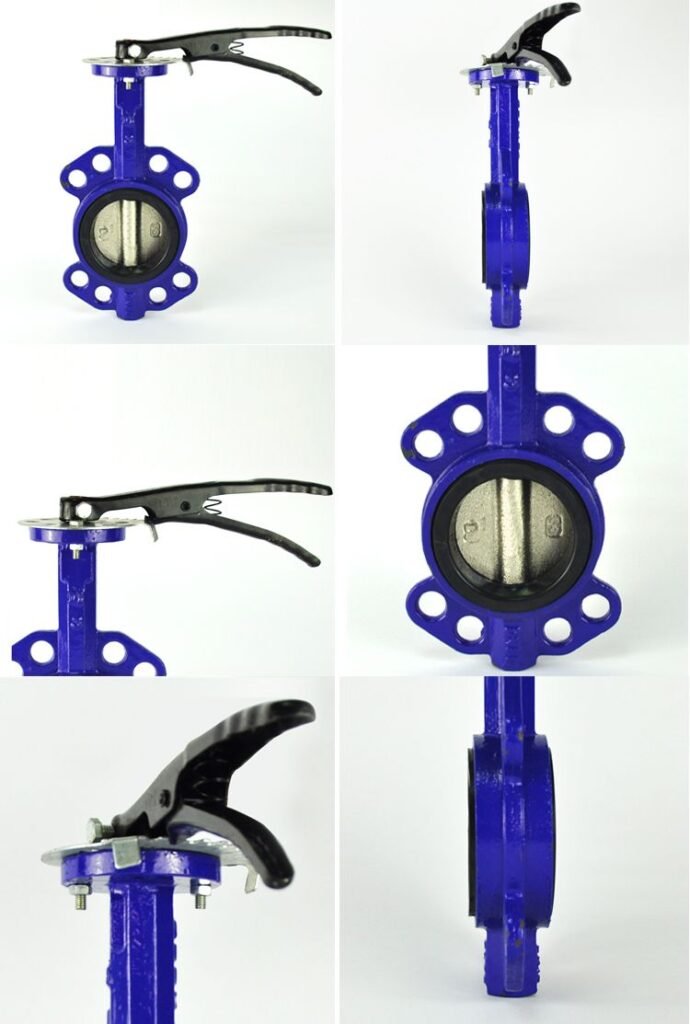
- Lever handles
- Worm gear operators
- Pneumatic actuators
- Electric actuators
Advantages of a Lug Butterfly Valve
Independent Pipeline Isolation
One of the biggest advantages of a lug butterfly valve is its ability to isolate one side of a pipeline while maintaining pressure on the other side.
This feature simplifies maintenance and equipment replacement.
Easy Installation and Removal
The threaded lug design allows:
- Easier assembly
- Faster valve replacement
- Reduced downtime
Compact and Lightweight
Compared with gate valves and globe valves, lug butterfly valves require less space and weigh significantly less.
Reliable Sealing Performance
Modern sealing technologies provide excellent shutoff capability across various operating conditions.
Cost-Effective Operation
The simple design helps reduce:
Types of Lug Butterfly Valve
Resilient Seated Lug Butterfly Valve
This is the most common design.
Features:
- Soft seat sealing
- Excellent shutoff performance
- Cost-effective construction
Applications:
- Water treatment
- HVAC systems
- Municipal pipelines
High-Performance Lug Butterfly Valve
Designed for more demanding applications.
Benefits:
- Higher pressure ratings
- Reduced operating torque
- Enhanced durability
Applications:
- Industrial processing
- Energy facilities
- Chemical plants
Metal Seated Lug Butterfly Valve
Used in severe service environments.
Advantages:
- High-temperature resistance
- Excellent wear resistance
- Long service life
Applications:
- Refineries
- Petrochemical plants
- Steam systems
Common Materials Used
Ductile Iron Lug Butterfly Valve
Advantages:
- Strong mechanical properties
- Affordable cost
- Good corrosion resistance
Commonly used in:
- Water supply systems
- Wastewater treatment facilities
Stainless Steel Lug Butterfly Valve
Benefits:
- Superior corrosion resistance
- Hygienic operation
- Long lifespan
Applications:
- Chemical processing
- Food manufacturing
- Marine systems
Carbon Steel Lug Butterfly Valve
Characteristics:
- High strength
- Pressure resistance
- Industrial durability
Applications:
- Oil and gas
- Power plants
- Heavy industrial systems
Applications of Lug Butterfly Valve
Water Treatment Systems
Lug butterfly valves are commonly installed in:
- Municipal water networks
- Wastewater treatment plants
- Filtration facilities
- Pump stations
Their maintenance-friendly design is particularly valuable in large-scale water infrastructure.
Oil and Gas Industry
Used for:
- Pipeline isolation
- Refinery operations
- Storage terminals
High-performance lug butterfly valves are frequently selected for these demanding applications.
Chemical Processing Plants
Suitable for handling:
- Corrosive chemicals
- Process fluids
- Industrial solvents
Material compatibility is critical in chemical applications.
HVAC Systems
Used to regulate:
- Chilled water circuits
- Heating systems
- Cooling towers
Power Generation Facilities
Installed in:
- Cooling water systems
- Utility pipelines
- Process water networks
Lug Butterfly Valve vs Wafer Butterfly Valve
These two designs are often compared during valve selection.
| Feature | Lug Butterfly Valve | Wafer Butterfly Valve |
|---|---|---|
| Connection Type | Threaded Lugs | Between Flanges |
| Maintenance | Easier | Moderate |
| Pipeline Isolation | Yes | Limited |
| Cost | Slightly Higher | Lower |
| Installation Flexibility | High | Standard |
| Weight | Moderate | Lightweight |
For applications requiring independent pipeline isolation, lug butterfly valves are generally preferred.
How to Select the Right Lug Butterfly Valve
Consider Pressure Requirements
Common standards include:
- PN10
- PN16
- ANSI Class 150
- ANSI Class 300
The valve rating should match system operating conditions.
Choose Compatible Materials
Consider:
- Fluid composition
- Corrosion potential
- Temperature range
Determine Valve Size
Proper sizing helps ensure:
- Optimal flow control
- Reduced pressure loss
- Efficient system performance
Select the Appropriate Actuator
Options include:
- Manual operation
- Gear operation
- Pneumatic automation
- Electric automation
Manufacturing and Quality Standards
High-quality lug butterfly valves undergo comprehensive testing.
Testing Procedures
- Hydrostatic pressure testing
- Seat leakage testing
- Torque verification
- Operational cycle testing
Industry Certifications
Look for manufacturers that comply with:
- ISO 9001
- CE Standards
- API Requirements
Industry references:
For industrial butterfly valve solutions, visit:
https://hongonvalve.com/
Frequently Asked Questions
What is a lug butterfly valve?
A lug butterfly valve is a butterfly valve with threaded inserts around the body that allow independent flange connections.
What is the advantage of a lug butterfly valve?
It allows one side of the pipeline to be disconnected without shutting down the entire system.
Where are lug butterfly valves commonly used?
Water treatment plants, HVAC systems, oil and gas facilities, chemical plants, and industrial pipelines.
What materials are available for lug butterfly valves?
Common materials include ductile iron, stainless steel, and carbon steel.
Can lug butterfly valves be automated?
Yes. They can be equipped with electric or pneumatic actuators.
What is the difference between lug and wafer butterfly valves?
Lug valves use threaded lugs for independent mounting, while wafer valves are clamped between flanges using through-bolts.
Conclusion
A lug butterfly valve is a reliable and versatile flow control solution for industrial pipeline systems. Its threaded lug design allows independent pipeline isolation, easier maintenance, and flexible installation, making it a preferred choice in water treatment, HVAC, chemical processing, and energy applications.
By selecting the appropriate material, pressure rating, and actuation method, businesses can improve operational efficiency, reduce maintenance costs, and ensure long-term pipeline reliability.