
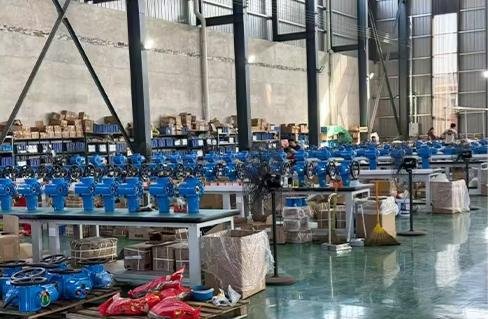
What Is a PTFE Lined Butterfly Valve?
A PTFE lined butterfly valve is a specialized butterfly valve designed for handling highly corrosive fluids and aggressive chemical media. The valve body and disc are lined with PTFE (Polytetrafluoroethylene), a material known for its outstanding chemical resistance, low friction coefficient, and excellent sealing performance.
Because PTFE is highly resistant to acids, alkalis, solvents, and corrosive chemicals, PTFE lined butterfly valves are widely used in industries where standard metal valves may fail due to corrosion.
Common applications include:
- Chemical processing plants
- Pharmaceutical manufacturing
- Water treatment facilities
- Pulp and paper mills
- Mining operations
- Food and beverage industries
- Semiconductor manufacturing
Choosing an experienced PTFE lined butterfly valve supplier helps ensure reliable valve performance and long-term protection against corrosion.
Why Choose a PTFE Lined Butterfly Valve Supplier?
A professional supplier offers more than just products. They provide engineering expertise, quality assurance, and customized solutions tailored to specific process requirements.
Benefits of Working with a Reliable Supplier
- Consistent product quality
- International certifications
- Material traceability
- OEM and customization services
- Technical support
- Global export experience
A qualified supplier can help select the appropriate valve configuration based on media compatibility, pressure ratings, and operating conditions.
What Is PTFE and Why Is It Used?
PTFE, commonly known under the brand name Teflon™, is one of the most chemically resistant materials available.
Key Properties of PTFE
| Property | Benefit |
|---|---|
| Chemical Resistance | Handles aggressive acids and chemicals |
| Low Friction | Smooth valve operation |
| Non-Stick Surface | Reduces material buildup |
| Temperature Resistance | Suitable for a wide temperature range |
| Long Service Life | Minimizes maintenance requirements |
These characteristics make PTFE an ideal lining material for butterfly valves used in corrosive environments.
How Does a PTFE Lined Butterfly Valve Work?
A PTFE lined butterfly valve operates using a quarter-turn disc mechanism.
When the valve stem rotates:
- The disc opens to allow flow.
- The disc closes to stop flow.
- Partial opening enables flow regulation.
The PTFE lining protects the metal body and disc from direct contact with corrosive media while providing excellent sealing performance.
Operating Positions
| Position | Function |
|---|---|
| 0° | Fully Closed |
| 45° | Flow Regulation |
| 90° | Fully Open |
Types of PTFE Lined Butterfly Valves
Wafer PTFE Lined Butterfly Valve
Features:
- Compact structure
- Lightweight design
- Easy installation
Applications:
- Chemical pipelines
- Water treatment systems
Lug PTFE Lined Butterfly Valve
Advantages:
- Independent pipeline isolation
- Easier maintenance
Applications:
- Industrial processing systems
- Chemical plants
Flanged PTFE Lined Butterfly Valve
Benefits:
- Strong pipeline connection
- Enhanced stability
- Suitable for larger diameters
Applications:
- Chemical transfer systems
- Corrosive fluid handling
Advantages of PTFE Lined Butterfly Valves
Exceptional Corrosion Resistance
PTFE protects the valve from:
- Sulfuric acid
- Hydrochloric acid
- Nitric acid
- Sodium hydroxide
- Chloride-containing solutions
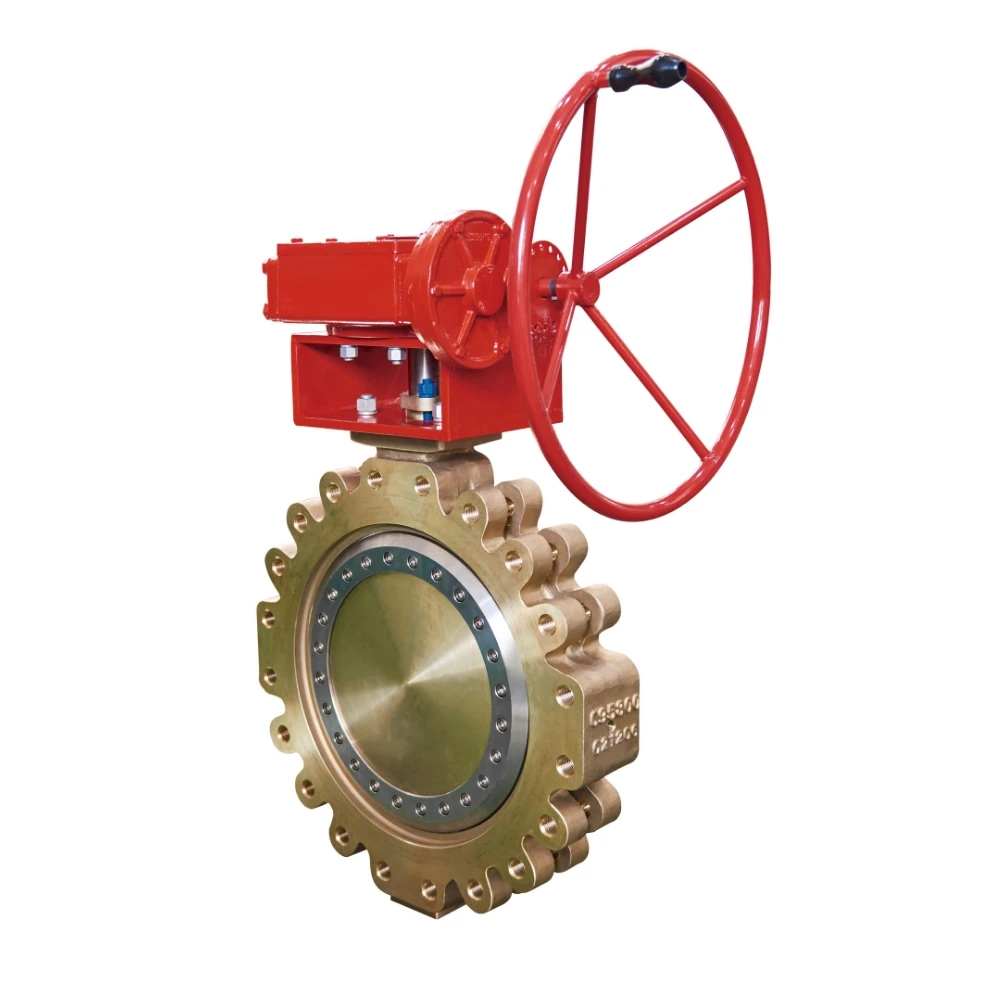
Excellent Sealing Performance
The PTFE seat provides reliable shutoff and minimizes leakage.
Long Service Life
The lining protects metal surfaces from chemical attack, extending valve lifespan.
Low Maintenance Requirements
Corrosion protection reduces repair and replacement frequency.
Wide Application Range
Suitable for many industries handling aggressive chemicals.
Applications of PTFE Lined Butterfly Valves
Chemical Processing Industry
One of the largest users of PTFE lined butterfly valves.
Applications include:
- Acid transfer systems
- Chemical storage facilities
- Process pipelines
Water Treatment Plants
Used for:
- Chemical dosing systems
- Wastewater treatment
- Corrosion-prone environments
Pharmaceutical Industry
PTFE-lined valves help maintain product purity and resist chemical cleaning agents.
Mining Industry
Suitable for:
- Chemical extraction systems
- Corrosive slurry handling
Food and Beverage Processing
The non-reactive PTFE surface supports hygienic processing requirements.
Materials Used in PTFE Lined Butterfly Valves
Valve Body Materials
Common body materials include:
- Ductile iron
- Cast iron
- Carbon steel
- Stainless steel
Disc Materials
Typical disc materials:
- Stainless steel
- PTFE-coated stainless steel
- PTFE-lined ductile iron
Seat Materials
Depending on the application:
- PTFE
- RPTFE (Reinforced PTFE)
- Modified PTFE
How to Select the Right PTFE Lined Butterfly Valve Supplier
Verify Manufacturing Experience
Choose suppliers with proven expertise in corrosion-resistant valve production.
Check Quality Certifications
Look for:
- ISO 9001
- CE Certification
- API Compliance (where applicable)
Review Testing Capabilities
Reliable suppliers perform:
- Hydrostatic testing
- Seat leakage testing
- Dimensional inspection
- Material verification
Evaluate Customization Options
Leading suppliers offer:
- OEM manufacturing
- Custom flange standards
- Special actuator configurations
- Project-specific designs
Assess Export Experience
International project experience often indicates stronger quality control and documentation capabilities.
Why China Is a Leading Source of PTFE Lined Butterfly Valves
Many global buyers choose Chinese suppliers because they offer:
- Competitive pricing
- Advanced manufacturing equipment
- Large production capacity
- Flexible OEM services
- Global export support
China has become a major manufacturing center for industrial valves serving customers worldwide.
Quality Standards and Certifications
A professional PTFE lined butterfly valve supplier should manufacture products according to international standards.
Common Standards
- ISO 9001
- CE Certification
- EN Standards
- API Guidelines
Common Tests
- Pressure testing
- Leakage testing
- Coating inspection
- Material verification
- Functional testing
Industry references:
Frequently Asked Questions
What is a PTFE lined butterfly valve?
A butterfly valve lined with PTFE material to provide excellent corrosion resistance and chemical compatibility.
What industries use PTFE lined butterfly valves?
Chemical processing, pharmaceuticals, water treatment, mining, and food processing industries.
Why is PTFE used in butterfly valves?
PTFE offers exceptional resistance to corrosive chemicals, low friction, and long service life.
Can PTFE lined butterfly valves handle acids?
Yes. They are widely used for sulfuric acid, hydrochloric acid, nitric acid, and many other aggressive chemicals.
What types of PTFE lined butterfly valves are available?
Wafer, lug, and flanged designs are the most common configurations.
How do I choose a PTFE lined butterfly valve supplier?
Evaluate manufacturing experience, certifications, testing capabilities, customization options, and export experience.
Conclusion
Choosing a reliable PTFE lined butterfly valve supplier is essential for industries handling corrosive media and aggressive chemicals. PTFE lined butterfly valves offer exceptional chemical resistance, reliable sealing performance, and long service life, making them ideal for chemical processing, water treatment, pharmaceutical manufacturing, and other demanding applications.
By partnering with an experienced supplier that offers certified products, strict quality control, and customization capabilities, businesses can ensure safe, efficient, and cost-effective operation of their industrial fluid handling systems.