
What Is a Corrosion Resistant Butterfly Valve?
A corrosion resistant butterfly valve is a specially engineered flow control valve designed to withstand corrosive fluids, aggressive chemicals, seawater, wastewater, and harsh industrial environments. These valves use corrosion-resistant materials, advanced coatings, and specialized sealing components to maintain performance and reliability over long service periods.
Corrosion can significantly reduce the lifespan of industrial valves, leading to leakage, system failures, increased maintenance costs, and safety risks. By using corrosion-resistant butterfly valves, industries can improve operational efficiency while minimizing downtime and repair expenses.
These valves are widely used in:
- Chemical processing plants
- Water treatment facilities
- Desalination systems
- Marine and offshore applications
- Mining operations
- Pharmaceutical manufacturing
- Food and beverage processing
How Does a Corrosion Resistant Butterfly Valve Work?
A corrosion resistant butterfly valve operates using the same quarter-turn mechanism as a standard butterfly valve.
The valve consists of:
- Valve body
- Disc
- Stem
- Seat
- Actuator
When the stem rotates, the disc moves between the open and closed positions to regulate or stop fluid flow.
The key difference is the use of corrosion-resistant materials and protective coatings that shield internal and external components from chemical attack and environmental degradation.
Operating Positions
| Disc Position | Valve Status |
|---|---|
| 0° | Fully Closed |
| 45° | Partial Flow Control |
| 90° | Fully Open |
Why Corrosion Resistance Matters in Industrial Valves
Industrial systems often handle media that can damage conventional valve materials.
Examples include:
- Acids
- Alkalis
- Chlorides
- Seawater
- Industrial wastewater
- Chemical solvents
Without adequate protection, corrosion can cause:
- Premature valve failure
- Leakage
- Increased maintenance costs
- Production downtime
- Safety hazards
A corrosion resistant butterfly valve helps prevent these issues by maintaining structural integrity and sealing performance over time.
Common Materials Used in Corrosion Resistant Butterfly Valves
Stainless Steel Butterfly Valve
Stainless steel is one of the most commonly used corrosion-resistant materials.
Benefits include:
- Excellent corrosion resistance
- Long service life
- Hygienic surface finish
- High strength
Applications:
- Water treatment
- Food processing
- Chemical plants
Common grades:
- SS304
- SS316
- SS316L
Duplex Stainless Steel Butterfly Valve
Duplex stainless steel offers:
- Superior chloride resistance
- Higher mechanical strength
- Improved resistance to stress corrosion cracking
Applications:
- Seawater systems
- Offshore platforms
- Desalination plants
Super Duplex Stainless Steel Butterfly Valve
Provides enhanced protection against:
- Saltwater corrosion
- Aggressive chemicals
- Extreme operating environments
Special Alloy Butterfly Valves
For severe chemical applications, manufacturers may use:
- Hastelloy
- Monel
- Titanium
- Inconel
These materials offer exceptional resistance to highly corrosive media.
Protective Coatings for Corrosion Resistant Butterfly Valves
Epoxy Coating
Epoxy-coated valves are commonly used in water and wastewater systems.
Advantages:
- Excellent corrosion protection
- Cost-effective solution
- Long service life
Fusion Bonded Epoxy (FBE)
FBE coatings provide enhanced durability and chemical resistance.
Applications:
- Municipal water systems
- Underground pipelines
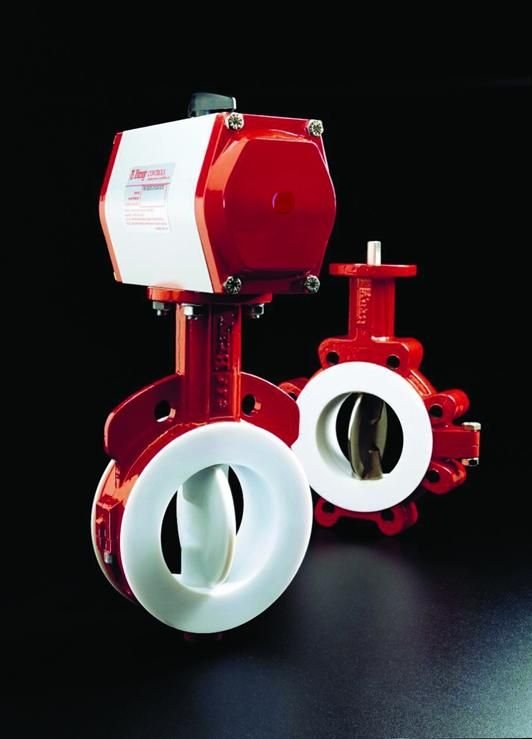
PTFE Coating
PTFE offers outstanding resistance to aggressive chemicals.
Suitable for:
- Acid handling
- Chemical processing
- Pharmaceutical industries
Rubber Lining
Common lining materials include:
- EPDM
- NBR
- Neoprene
These linings improve chemical compatibility and sealing performance.
Types of Corrosion Resistant Butterfly Valves
Wafer Butterfly Valve
Features:
- Compact design
- Lightweight construction
- Easy installation
Applications:
- Water treatment
- Utility systems
Lug Butterfly Valve
Advantages:
- Independent pipeline isolation
- Simplified maintenance
Applications:
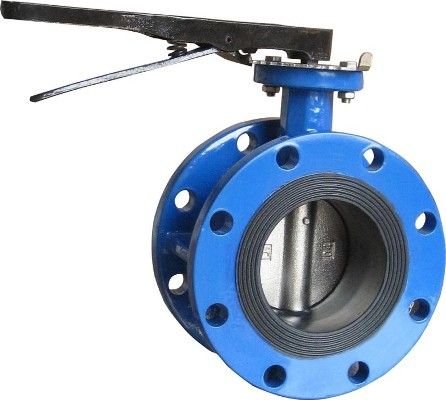
Flanged Butterfly Valve
Benefits:
- Secure installation
- Large-diameter pipeline compatibility
Applications:
- Desalination plants
- Marine systems
Triple Offset Butterfly Valve
Ideal for:
- High temperatures
- Severe service conditions
- Critical process applications
Applications of Corrosion Resistant Butterfly Valves
Chemical Processing Industry
Chemical plants require valves capable of handling:
- Acids
- Solvents
- Corrosive compounds
Corrosion resistant butterfly valves provide reliable operation and reduced maintenance requirements.
Water and Wastewater Treatment
Used in:
- Filtration systems
- Distribution networks
- Wastewater treatment facilities
Their corrosion-resistant coatings help extend service life.
Marine and Offshore Industry
Seawater exposure creates highly corrosive conditions.
Applications include:
- Ballast systems
- Cooling water systems
- Offshore platforms
Desalination Plants
Desalination systems require materials capable of resisting chloride-induced corrosion.
Mining Operations
Mining environments often involve abrasive and chemically aggressive fluids, making corrosion resistance essential.
Advantages of Corrosion Resistant Butterfly Valves
Extended Service Life
Corrosion-resistant materials significantly reduce wear and degradation.
Reduced Maintenance Costs
Longer valve lifespan means fewer repairs and replacements.
Improved Operational Reliability
Reliable performance reduces unexpected downtime and production losses.
Enhanced Safety
Maintaining valve integrity helps prevent leakage and process failures.
Lower Lifecycle Costs
Although initial costs may be higher, corrosion-resistant valves often provide better long-term value.
How to Choose the Right Corrosion Resistant Butterfly Valve
Analyze the Process Media
Consider:
- Chemical composition
- pH level
- Chloride concentration
Evaluate Temperature and Pressure
Operating conditions influence material and seat selection.
Select Suitable Materials
Match valve materials with fluid compatibility requirements.
Choose the Correct Seat Material
Common options include:
- PTFE
- EPDM
- Viton
- NBR
Verify Industry Standards
Choose products that meet recognized international standards.
Quality Standards and Certifications
Reliable manufacturers produce valves according to:
- ISO 9001
- CE Certification
- API Standards
- EN Standards
Common Testing Procedures
- Hydrostatic testing
- Seat leakage testing
- Coating inspection
- Material verification
- Dimensional inspection
Industry references:
Frequently Asked Questions
What is a corrosion resistant butterfly valve?
A butterfly valve manufactured from corrosion-resistant materials or protective coatings designed to withstand aggressive fluids and harsh environments.
Which materials offer the best corrosion resistance?
Stainless steel, duplex stainless steel, super duplex stainless steel, Hastelloy, Monel, and titanium are commonly used.
Where are corrosion resistant butterfly valves used?
Chemical processing, water treatment, marine systems, desalination plants, and industrial manufacturing facilities.
Can corrosion resistant butterfly valves handle seawater?
Yes. Duplex and super duplex stainless steel valves are particularly suitable for seawater applications.
What seat materials are commonly used?
PTFE, EPDM, Viton, and NBR are frequently selected depending on chemical compatibility.
Are corrosion resistant butterfly valves more expensive?
The initial investment may be higher, but they typically offer lower lifecycle costs through reduced maintenance and longer service life.
Conclusion
A corrosion resistant butterfly valve is a critical component for industries operating in aggressive chemical, marine, and water treatment environments. By utilizing advanced materials, specialized coatings, and durable sealing systems, these valves deliver reliable performance, extended service life, and improved safety.
Whether installed in a chemical processing plant, desalination facility, offshore platform, or wastewater treatment system, choosing the right corrosion resistant butterfly valve helps protect equipment, reduce maintenance costs, and ensure long-term operational efficiency.