
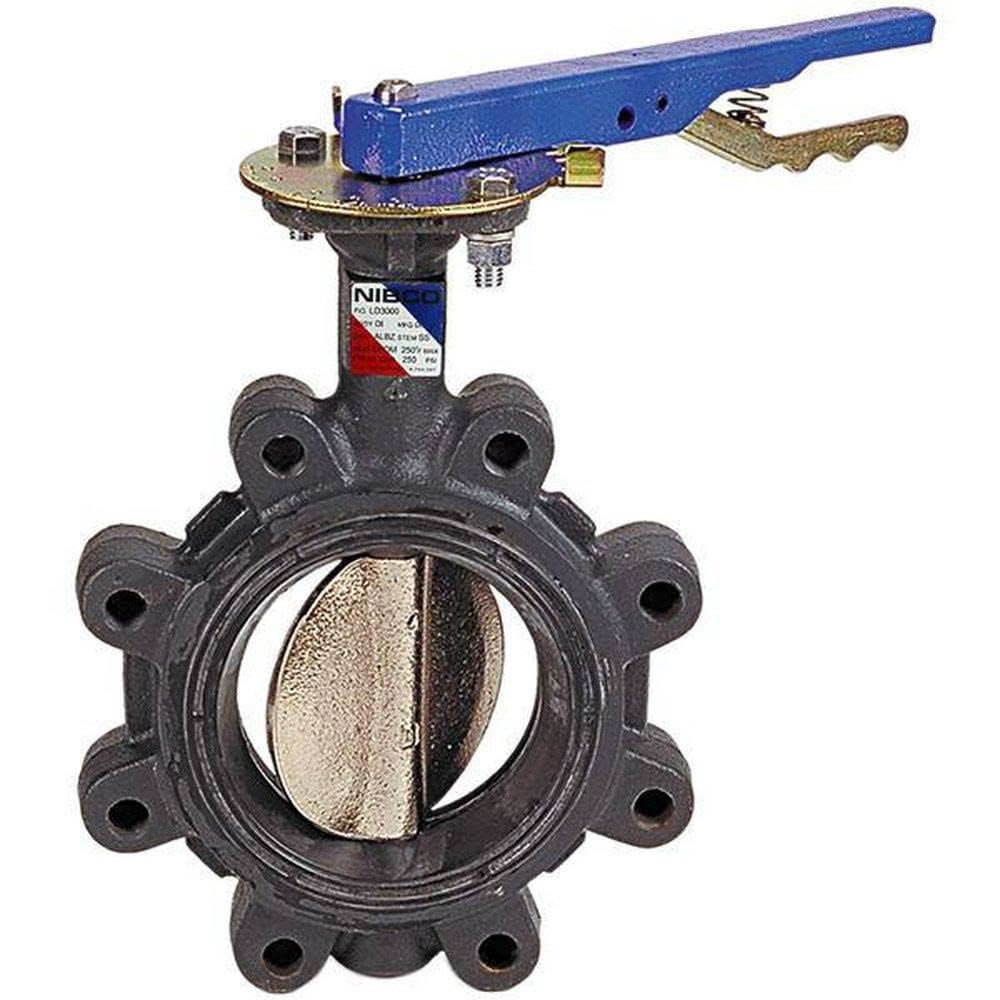
What Is a Water Treatment Butterfly Valve?
A water treatment butterfly valve is a quarter-turn flow control valve specifically designed for water purification, wastewater treatment, filtration, desalination, and distribution systems. It is used to regulate, isolate, or stop the flow of water throughout various stages of the treatment process.
Due to their compact design, low operating torque, and cost-effective performance, butterfly valves have become one of the most widely used valve types in modern water treatment facilities.
They are commonly installed in:
- Municipal water treatment plants
- Wastewater treatment facilities
- Desalination plants
- Pumping stations
- Water distribution networks
- Industrial water systems
A properly selected butterfly valve helps ensure efficient flow control, reliable operation, and reduced maintenance costs.
Why Butterfly Valves Are Used in Water Treatment
Water treatment systems often require valves that can handle large flow volumes while remaining easy to operate and maintain.
Butterfly valves offer several advantages:
Key Benefits
- Lightweight construction
- Compact installation size
- Quick quarter-turn operation
- Excellent sealing performance
- Low maintenance requirements
- Cost-effective for large-diameter pipelines
Compared with gate valves, butterfly valves are generally lighter, more affordable, and easier to automate.
How Does a Water Treatment Butterfly Valve Work?
A butterfly valve uses a circular disc mounted on a rotating shaft.
When the operator or actuator turns the stem:
- The disc rotates parallel to the flow direction to allow flow.
- The disc rotates perpendicular to the flow path to stop flow.
- Intermediate positions regulate flow volume.
Valve Operating Positions
| Disc Position | Valve Status |
|---|---|
| 0° | Fully Closed |
| 45° | Flow Regulation |
| 90° | Fully Open |
This simple mechanism allows fast and reliable operation throughout the treatment process.
Types of Water Treatment Butterfly Valves
Wafer Butterfly Valve
Wafer valves are installed between two pipe flanges.
Advantages
- Compact design
- Lightweight construction
- Economical solution
Applications
- Water distribution systems
- Utility pipelines
- Pump stations
Lug Butterfly Valve
Lug-style valves feature threaded inserts around the valve body.
Benefits
- Independent line isolation
- Easier maintenance
- Improved installation flexibility
Applications
- Treatment plants
- Industrial water systems
Flanged Butterfly Valve
Flanged valves have integrated flange connections.
Advantages
- Strong pipeline support
- Reliable alignment
- Suitable for larger diameters
Applications
- Municipal water networks
- Large treatment facilities
Common Materials Used in Water Treatment Butterfly Valves
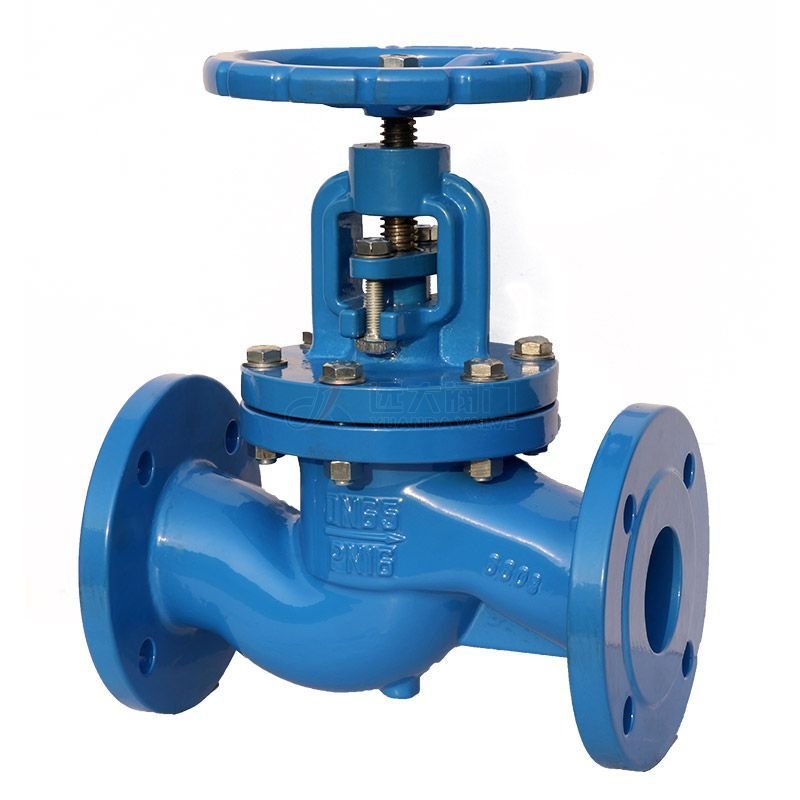
Ductile Iron Butterfly Valve
Ductile iron is the most commonly used material for water treatment applications.
Benefits
- High mechanical strength
- Excellent durability
- Cost-effective solution
Applications:
Stainless Steel Butterfly Valve
Provides:
- Superior corrosion resistance
- Hygienic operation
- Long service life
Applications:
- Desalination facilities
- Industrial water treatment
- Food-grade water systems
Epoxy-Coated Butterfly Valve
Fusion-bonded epoxy coatings protect valve surfaces from corrosion.
Advantages
- Improved durability
- Water-safe protection
- Extended service life
Applications:
- Drinking water systems
- Municipal water infrastructure
Seat Materials for Water Treatment Applications
EPDM Seat
EPDM is the most popular seat material for water treatment systems.
Advantages
- Excellent water resistance
- Reliable sealing
- Long service life
Applications:
- Potable water
- Wastewater systems
NBR Seat
Suitable for:
- Utility water systems
- Certain oil-contaminated water applications
PTFE Seat
Used where chemical resistance is required.
Applications:
- Chemical dosing systems
- Industrial treatment facilities
Applications of Water Treatment Butterfly Valves
Municipal Water Treatment Plants
Butterfly valves play a critical role in:
- Raw water intake systems
- Filtration processes
- Distribution networks
- Storage facilities
Their reliable operation supports continuous water supply.
Wastewater Treatment Facilities
Used in:
- Aeration systems
- Clarifiers
- Sludge treatment processes
- Effluent discharge pipelines
Corrosion-resistant materials are often required.
Desalination Plants
Butterfly valves control seawater and treated water flow throughout desalination systems.
Special materials such as stainless steel and duplex stainless steel are often used.
Pumping Stations
Applications include:
- Water transfer systems
- Booster stations
- Distribution networks
Butterfly valves help isolate equipment and regulate flow.
Industrial Water Treatment Systems
Industries use butterfly valves in:
- Cooling water systems
- Process water treatment
- Recycling facilities
Advantages of Water Treatment Butterfly Valves
Excellent Flow Characteristics
Butterfly valves provide efficient flow control while minimizing pressure loss.
Easy Automation
Can be equipped with:
- Electric actuators
- Pneumatic actuators
for remote operation and system integration.
Reduced Maintenance Costs
Simple construction minimizes downtime and servicing requirements.
Long Service Life
Properly selected materials provide years of reliable operation.
Cost-Effective for Large Pipelines
Butterfly valves are often more economical than gate valves in larger sizes.
How to Choose the Right Water Treatment Butterfly Valve
Determine Water Quality
Consider:
- Potable water
- Wastewater
- Seawater
- Process water
Select Appropriate Materials
Material selection should match operating conditions and corrosion requirements.
Choose the Correct Pressure Rating
Common options include:
- PN10
- PN16
- PN25
Verify Certification Requirements
For drinking water applications, valves may require certifications such as:
- WRAS
- NSF
- ACS
depending on the target market.
Quality Standards and Testing
Reliable manufacturers perform strict quality control procedures.
Common Tests
- Hydrostatic pressure testing
- Seat leakage testing
- Torque testing
- Coating inspection
- Functional testing
International Standards
Look for compliance with:
- ISO 9001
- EN Standards
- CE Certification
- AWWA requirements
Industry references:
Frequently Asked Questions
What is a water treatment butterfly valve?
A butterfly valve specifically designed for controlling water flow in treatment plants, wastewater facilities, pumping stations, and distribution networks.
Why are butterfly valves widely used in water treatment?
They offer compact design, low operating torque, reliable sealing, and cost-effective performance for large pipelines.
Which material is best for water treatment butterfly valves?
Ductile iron with epoxy coating is commonly used, while stainless steel is preferred for corrosive environments.
What seat material is most suitable for water applications?
EPDM is the most commonly used seat material due to its excellent water resistance and sealing performance.
Can water treatment butterfly valves be automated?
Yes. Electric and pneumatic actuators are widely used for automated control systems.
What pressure ratings are available?
Common ratings include PN10, PN16, and PN25 depending on system requirements.
Conclusion
A water treatment butterfly valve is an essential component in modern municipal and industrial water systems. Its compact design, reliable sealing performance, low maintenance requirements, and cost-effectiveness make it one of the most popular valve solutions for water treatment facilities worldwide.
Whether used in potable water distribution, wastewater treatment, desalination plants, or pumping stations, selecting the right butterfly valve helps ensure efficient operation, long service life, and dependable flow control throughout the entire water treatment process.