
What Is an HVAC Butterfly Valve System?
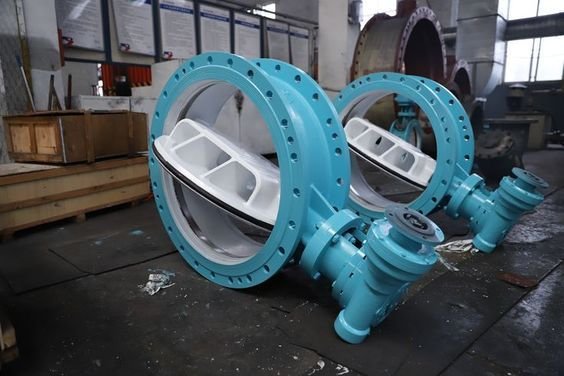
An HVAC butterfly valve system is a flow control solution used in heating, ventilation, and air conditioning (HVAC) networks to regulate, isolate, or balance the flow of water and other fluids. Butterfly valves play a crucial role in maintaining efficient system performance while reducing energy consumption and operating costs.
These valves are commonly installed in:
- Chilled water systems
- Hot water systems
- Cooling towers
- Air handling units (AHUs)
- Boiler systems
- District cooling networks
- Commercial and industrial HVAC facilities
Due to their compact design and low operating torque, butterfly valves are one of the most widely used valve types in modern HVAC systems.
Why Butterfly Valves Are Important in HVAC Systems
HVAC systems require reliable flow control to maintain temperature stability, optimize energy efficiency, and support equipment performance.
Butterfly valves help achieve these goals by:
- Regulating water flow rates
- Isolating equipment during maintenance
- Reducing system pressure losses
- Supporting automated building management systems (BMS)
Compared with gate valves, butterfly valves are lighter, easier to install, and more cost-effective for larger pipe sizes.
How Does an HVAC Butterfly Valve System Work?
A butterfly valve operates through a quarter-turn mechanism.
The valve contains:
- Valve body
- Disc
- Stem
- Seat
- Actuator or manual operator
When the stem rotates:
- The disc turns parallel to the flow path, allowing maximum flow.
- The disc turns perpendicular to the flow path, stopping flow completely.
- Intermediate positions regulate flow volume.
Valve Position Overview
| Disc Position | Valve Function |
|---|---|
| 0° | Fully Closed |
| 45° | Flow Regulation |
| 90° | Fully Open |
This simple design provides quick operation and reliable performance.
Main Components of an HVAC Butterfly Valve System
Butterfly Valve
The primary flow control device responsible for opening, closing, and regulating fluid flow.
Actuator
Actuators automate valve operation.
Common options include:
- Electric actuators
- Pneumatic actuators
Electric actuators are particularly common in HVAC automation systems.
Control System
The valve may connect to:
- Building Management Systems (BMS)
- Energy Management Systems (EMS)
- Smart HVAC controls
This allows remote monitoring and operation.
Pipeline Network
Butterfly valves are integrated into chilled water, hot water, and condenser water circuits throughout the HVAC system.
Types of Butterfly Valves Used in HVAC Systems
Wafer Butterfly Valve
The most common HVAC valve type.
Advantages
- Compact design
- Lightweight construction
- Lower installation cost
Applications
- Chilled water systems
- Commercial buildings
- Cooling water circuits
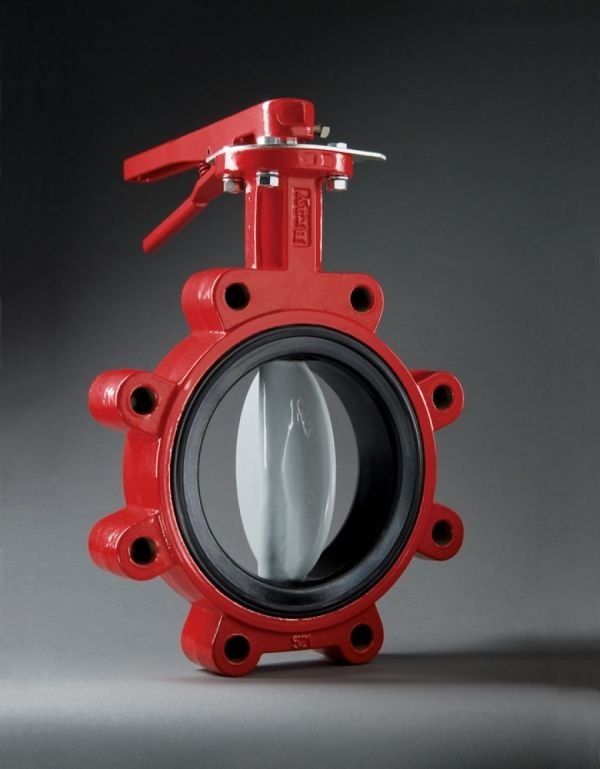
Lug Butterfly Valve
Features threaded inserts around the valve body.
Benefits
- Easier maintenance
- Independent pipeline isolation
Applications
- Equipment isolation
- Mechanical rooms
Flanged Butterfly Valve
Designed for larger systems and higher stability requirements.
Advantages
- Secure installation
- Excellent structural support
Applications
- District cooling systems
- Industrial HVAC plants
Materials Used in HVAC Butterfly Valve Systems
Ductile Iron Butterfly Valve
The most widely used material in HVAC applications.
Benefits
- Strong and durable
- Cost-effective
- Suitable for water service
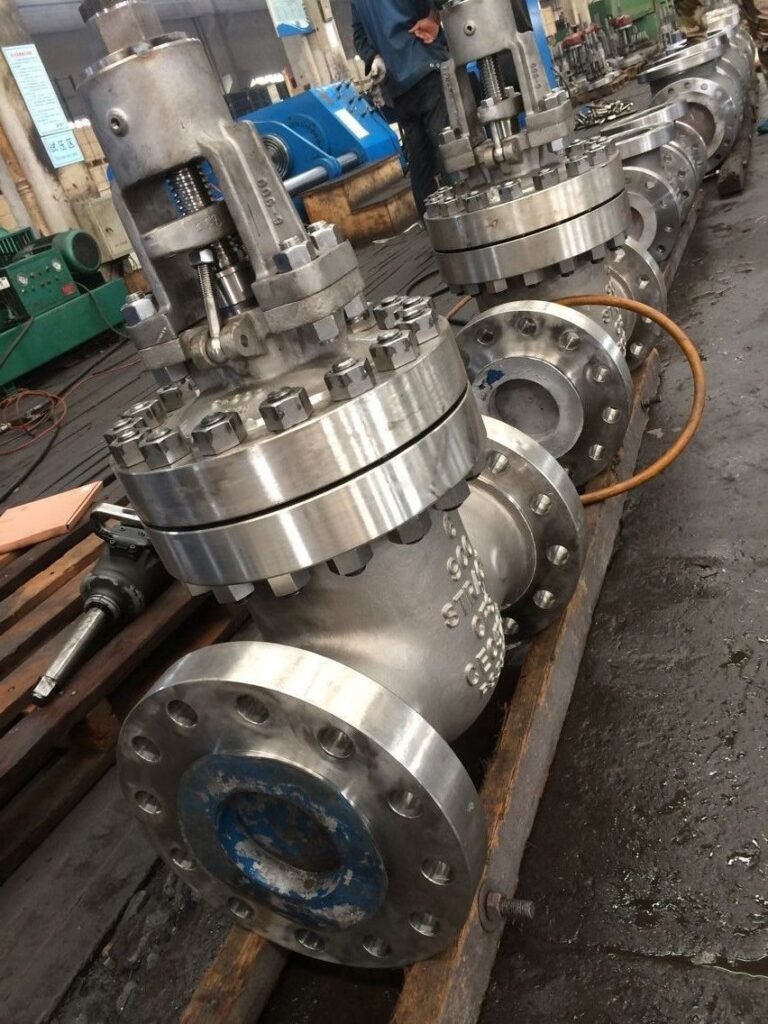
Stainless Steel Butterfly Valve
Ideal for:
Advantages
- Corrosion resistance
- Long service life
Epoxy-Coated Valve Bodies
Fusion-bonded epoxy coatings provide:
- Enhanced corrosion protection
- Improved durability
- Extended lifespan
Seat Materials for HVAC Applications
EPDM Seat
Most common choice for HVAC systems.
Benefits
- Excellent water resistance
- Reliable sealing
- Long service life
Suitable for:
- Chilled water
- Hot water
- Cooling systems
NBR Seat
Often used where oil contamination may occur.
PTFE Seat
Provides additional chemical resistance for specialized systems.
Applications of HVAC Butterfly Valve Systems
Chilled Water Systems
Butterfly valves regulate water flow between chillers, pumps, and air handling units.
Benefits include:
- Improved temperature control
- Energy savings
- Reduced equipment wear
Cooling Towers
Used to control condenser water circulation and isolate equipment for maintenance.
Boiler Systems
Installed in hot water networks to regulate heating distribution and system balancing.
District Cooling and Heating Networks
Large-diameter butterfly valves provide efficient flow control across extensive distribution systems.
Commercial Buildings
Applications include:
- Office towers
- Shopping centers
- Hotels
- Hospitals
- Educational facilities
Advantages of HVAC Butterfly Valve Systems
Energy Efficiency
Proper flow regulation reduces pump energy consumption and improves overall system efficiency.
Compact Design
Butterfly valves require less installation space than many alternative valve types.
Low Operating Torque
Easy operation reduces actuator size and energy requirements.
Cost-Effective Solution
Lower material and installation costs make butterfly valves economical for HVAC systems.
Automation Compatibility
Modern butterfly valves integrate easily with smart building management systems.
How to Select the Right HVAC Butterfly Valve System
Determine System Requirements
Consider:
- Flow rate
- Pressure rating
- Temperature range
Choose Appropriate Materials
Material selection depends on:
- Water quality
- Environmental conditions
- Corrosion concerns
Select Valve Size
Proper sizing ensures efficient flow control and minimal pressure loss.
Evaluate Automation Needs
Determine whether manual, electric, or pneumatic operation is required.
Check Industry Standards
Ensure products meet relevant HVAC and building standards.
Quality Standards and Certifications
Reliable HVAC butterfly valves are manufactured according to international quality standards.
Common Certifications
- ISO 9001
- CE Certification
- EN Standards
- HVAC industry specifications
Common Tests
- Hydrostatic testing
- Seat leakage testing
- Torque testing
- Functional testing
Industry references:
Frequently Asked Questions
What is an HVAC butterfly valve system?
An HVAC butterfly valve system controls and regulates fluid flow within heating, ventilation, and air conditioning networks.
Why are butterfly valves used in HVAC systems?
They provide efficient flow control, compact installation, low operating torque, and cost-effective performance.
Which butterfly valve type is best for HVAC applications?
Wafer butterfly valves are the most commonly used due to their compact size and economical design.
What seat material is recommended for HVAC systems?
EPDM is the preferred seat material for chilled and hot water applications.
Can HVAC butterfly valves be automated?
Yes. Electric actuators are commonly used for integration with building management systems.
What industries use HVAC butterfly valve systems?
Commercial buildings, hospitals, hotels, industrial facilities, educational institutions, and district cooling networks.
Conclusion
An HVAC butterfly valve system is a critical component for efficient heating, ventilation, and air conditioning operations. With their compact design, reliable flow control, low maintenance requirements, and automation compatibility, butterfly valves help optimize system performance while reducing energy consumption.
Whether used in chilled water systems, cooling towers, boiler plants, or large commercial buildings, selecting the right HVAC butterfly valve system ensures long-term reliability, operational efficiency, and cost-effective building management.