
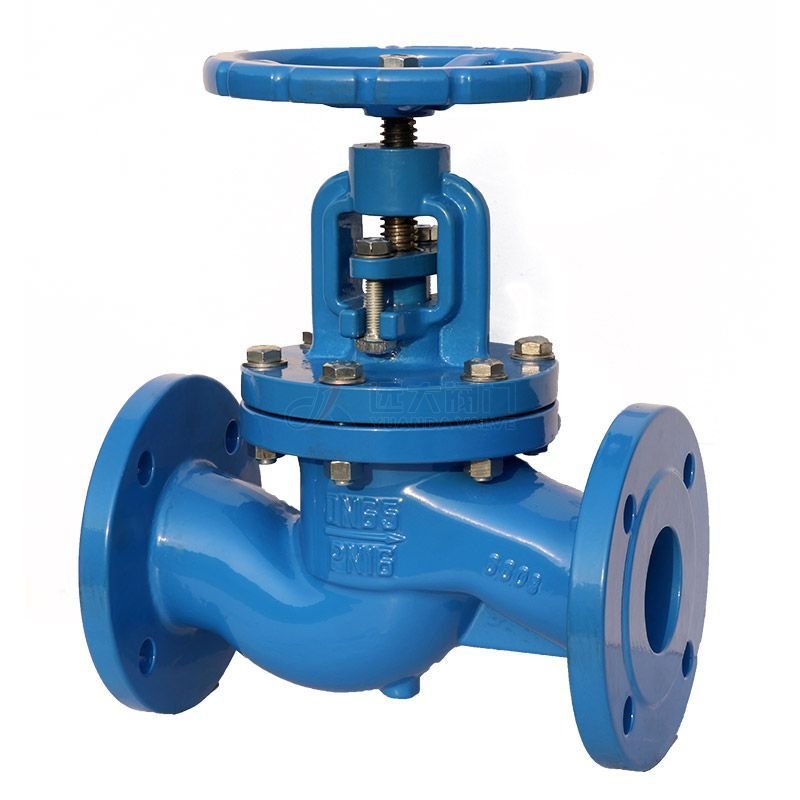
What Is an Oil and Gas Butterfly Valve?
An oil and gas butterfly valve is a quarter-turn valve specifically designed for flow isolation and regulation in oil, natural gas, petrochemical, and energy infrastructure systems. These valves are engineered to operate under challenging conditions, including high pressure, extreme temperatures, corrosive media, and demanding operational environments.
Butterfly valves are widely used throughout the oil and gas sector because they provide:
- Fast operation
- Compact design
- Reliable sealing
- Reduced weight
- Cost-effective installation
They are commonly found in:
- Upstream production facilities
- Midstream transportation pipelines
- Downstream refineries
- LNG terminals
- Petrochemical plants
- Offshore platforms
Why Butterfly Valves Are Used in the Oil and Gas Industry
The oil and gas industry requires valves capable of handling critical process conditions while maintaining operational reliability.
Butterfly valves offer several advantages:
Key Benefits
- Quarter-turn opening and closing
- Lower weight compared to gate valves
- Reduced installation space
- Excellent flow capacity
- Automation compatibility
- Lower maintenance requirements
For large-diameter pipelines, butterfly valves often provide a more economical solution than other valve types.
How Does an Oil and Gas Butterfly Valve Work?
A butterfly valve controls flow through a rotating disc mounted on a central shaft.
When the actuator rotates the shaft:
- The disc aligns with the flow path to allow fluid passage.
- The disc turns perpendicular to the flow path to stop flow.
- Intermediate positions allow throttling and flow regulation.
Valve Position Overview
| Disc Position | Valve Status |
|---|---|
| 0° | Fully Closed |
| 45° | Partial Flow Control |
| 90° | Fully Open |
This simple mechanism provides fast and reliable operation in demanding energy applications.
Types of Oil and Gas Butterfly Valves
High-Performance Butterfly Valve
High-performance butterfly valves are designed for demanding industrial service.
Features
- Offset disc design
- Improved sealing performance
- Reduced seat wear
Applications
- Refineries
- Petrochemical facilities
- Natural gas systems
Double Offset Butterfly Valve
Also known as double eccentric butterfly valves.
Advantages
- Lower operating torque
- Longer seat life
- Improved shutoff capability
Applications
- Oil transportation pipelines
- Process systems
- Utility services
Triple Offset Butterfly Valve
The preferred solution for severe service applications.
Benefits
- Metal-to-metal sealing
- Fire-safe capability
- Near-zero leakage
- High-temperature resistance
Applications
- Offshore platforms
- LNG facilities
- Refinery processing units
Metal Seated Butterfly Valve
Designed for:
- High temperatures
- High pressures
- Abrasive media
These valves are commonly selected for critical oil and gas operations.
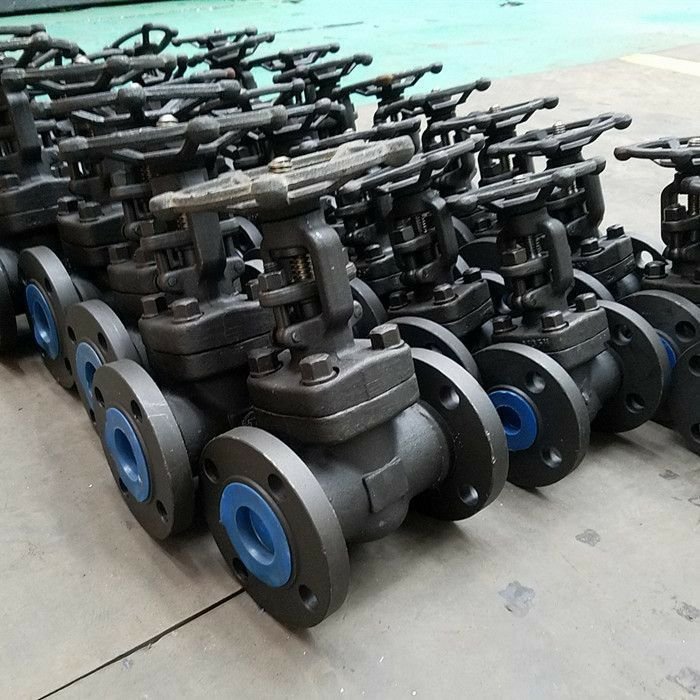
Materials Used in Oil and Gas Butterfly Valves
Carbon Steel
One of the most widely used materials.
Advantages
- High strength
- Pressure resistance
- Cost-effective performance
Applications:
- Oil pipelines
- Refinery systems
Stainless Steel
Provides:
- Corrosion resistance
- Long service life
- Excellent mechanical properties
Applications:
- Chemical processing
- Offshore facilities
Duplex Stainless Steel
Benefits:
- Enhanced corrosion resistance
- High mechanical strength
- Resistance to chloride attack
Applications:
- Offshore oil platforms
- Seawater systems
Special Alloys
For severe-service environments, manufacturers may use:
- Inconel
- Monel
- Hastelloy
- Titanium
These materials provide exceptional resistance to corrosion and extreme temperatures.
Applications of Oil and Gas Butterfly Valves
Upstream Oil and Gas Operations
Used in:
- Production facilities
- Wellhead systems
- Gathering stations
Butterfly valves help control crude oil, natural gas, and process fluids.
Midstream Pipeline Systems
Applications include:
- Transmission pipelines
- Compressor stations
- Storage terminals
Large-diameter butterfly valves are frequently used for isolation and flow regulation.
Downstream Refineries
Refinery systems rely on butterfly valves for:
- Process control
- Utility services
- Cooling water systems
- Hydrocarbon handling
LNG Facilities
Butterfly valves are used in:
- Liquefaction plants
- Storage facilities
- Gas distribution systems
Specialized materials may be required for cryogenic service.
Offshore Platforms
Applications include:
- Produced water systems
- Firewater systems
- Seawater cooling systems
- Process pipelines
Corrosion-resistant materials are critical in marine environments.
Advantages of Oil and Gas Butterfly Valves
Compact and Lightweight Design
Butterfly valves require less space and structural support compared to many alternative valve types.
Fast Operation
Quarter-turn operation enables rapid isolation during emergency situations.
Automation Compatibility
Can be equipped with:
- Pneumatic actuators
- Electric actuators
- Hydraulic actuators
for remote control and process automation.
Reduced Maintenance
Modern designs provide long service intervals and dependable performance.
Cost Efficiency
Especially beneficial in large-diameter applications where weight and installation costs are significant factors.
How to Choose the Right Oil and Gas Butterfly Valve
Evaluate Operating Conditions
Consider:
- Pressure requirements
- Temperature range
- Flow characteristics
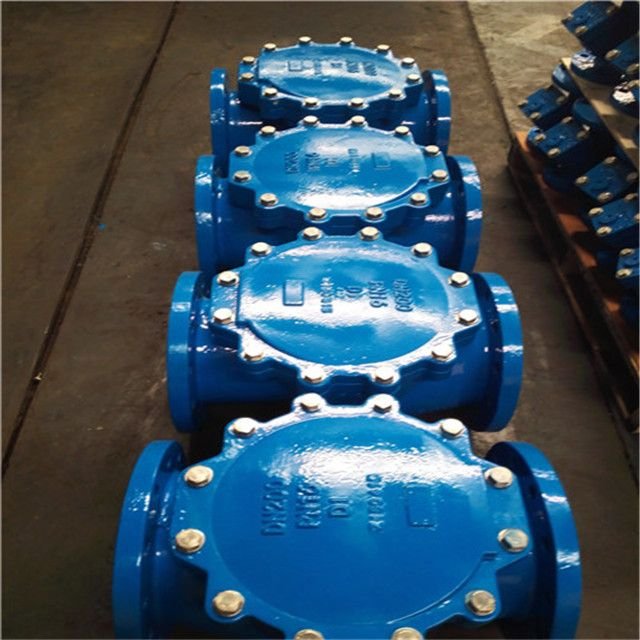
Analyze Process Media
Determine compatibility with:
- Crude oil
- Natural gas
- Hydrocarbons
- Corrosive chemicals
Select Appropriate Materials
Material selection directly affects performance and service life.
Choose the Correct Valve Design
Options include:
- Double offset
- Triple offset
- Metal seated
based on application requirements.
Verify Industry Standards
Oil and gas valves should comply with recognized international standards.
Industry Standards and Certifications
Reliable manufacturers produce valves according to:
- API standards
- ISO standards
- ASME standards
- CE requirements
Common Testing Procedures
- Hydrostatic testing
- Seat leakage testing
- Fire-safe testing
- Torque testing
- Material verification
Industry references:
Frequently Asked Questions
What is an oil and gas butterfly valve?
An oil and gas butterfly valve is a flow control valve designed for petroleum, natural gas, refinery, and energy infrastructure applications.
Which butterfly valve is best for oil and gas applications?
Double offset, triple offset, and metal seated butterfly valves are commonly used because of their durability and sealing performance.
Can butterfly valves handle high pressure in oil and gas systems?
Yes. High-performance and triple offset butterfly valves are designed for demanding pressure conditions.
What materials are commonly used?
Carbon steel, stainless steel, duplex stainless steel, and specialty alloys.
Are butterfly valves suitable for offshore applications?
Yes. Corrosion-resistant materials such as duplex stainless steel are widely used on offshore platforms.
Can oil and gas butterfly valves be automated?
Yes. They are commonly equipped with pneumatic, hydraulic, or electric actuators.
Conclusion
An oil and gas butterfly valve is an essential component in modern energy infrastructure, providing reliable flow control, fast operation, and durable performance across upstream, midstream, and downstream applications. From transmission pipelines and offshore platforms to refineries and LNG facilities, butterfly valves deliver a cost-effective and efficient solution for handling challenging operating conditions.
By selecting the proper valve design, materials, and actuation system, operators can improve safety, reduce maintenance costs, and ensure long-term reliability in critical oil and gas operations.