
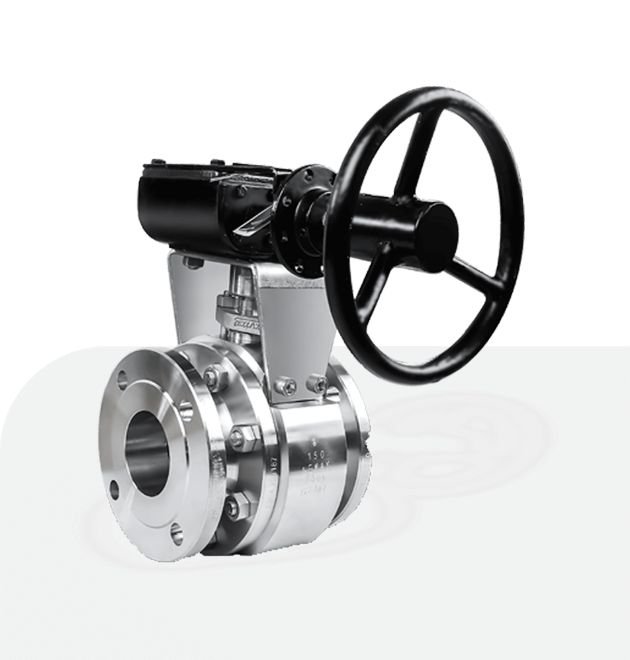
What Is a Chemical Industry Butterfly Valve?
A chemical industry butterfly valve is a specialized flow control valve designed for handling corrosive chemicals, acids, alkalis, solvents, and aggressive process media commonly found in chemical manufacturing facilities. These valves provide reliable isolation and regulation while resisting corrosion, chemical attack, and harsh operating conditions.
Butterfly valves are widely used in chemical plants because they offer:
- Compact design
- Quick quarter-turn operation
- Excellent sealing performance
- Cost-effective installation
- Easy automation
They are commonly installed in:
- Chemical processing plants
- Acid production facilities
- Fertilizer plants
- Pharmaceutical factories
- Petrochemical complexes
- Water treatment chemical dosing systems
Why Butterfly Valves Are Used in the Chemical Industry
Chemical processing environments often expose equipment to aggressive substances that can rapidly damage conventional valves.
A properly selected chemical industry butterfly valve provides:
Key Benefits
- Corrosion resistance
- Chemical compatibility
- Reliable shutoff performance
- Reduced maintenance costs
- Long service life
- Safe process operation
Because butterfly valves are lightweight and compact, they are particularly suitable for large pipeline systems where space and installation costs are important considerations.
How Does a Chemical Industry Butterfly Valve Work?
Like standard butterfly valves, a chemical industry butterfly valve uses a rotating disc mounted on a central shaft.
When the stem rotates:
- The disc aligns with the flow path to allow fluid flow.
- The disc rotates perpendicular to the flow path to stop flow.
- Partial rotation allows flow regulation.
Operating Positions
| Disc Position | Valve Status |
|---|---|
| 0° | Fully Closed |
| 45° | Flow Regulation |
| 90° | Fully Open |
The valve’s corrosion-resistant construction ensures reliable operation even when exposed to aggressive chemicals.
Types of Chemical Industry Butterfly Valves
PTFE Lined Butterfly Valve
One of the most popular choices for chemical applications.
Advantages
- Excellent chemical resistance
- Suitable for strong acids and alkalis
- Long service life
Applications
- Acid transfer systems
- Chemical dosing lines
- Corrosive process pipelines
Wafer Butterfly Valve
Features:
- Compact design
- Lightweight construction
- Cost-effective installation
Applications:
- Utility systems
- Chemical water treatment
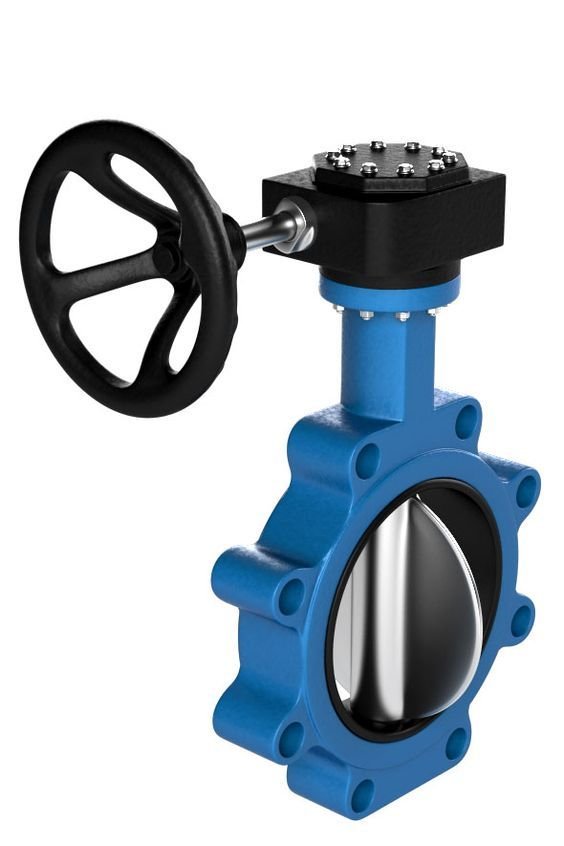
Lug Butterfly Valve
Benefits:
- Independent pipeline isolation
- Easier maintenance
Applications:
- Process systems
- Chemical production lines
Flanged Butterfly Valve
Advantages:
- Secure installation
- Better support for larger pipelines
Applications:
- Bulk chemical transfer systems
- Industrial processing facilities
Triple Offset Butterfly Valve
Designed for severe service conditions.
Benefits include:
- Metal-to-metal sealing
- High-temperature resistance
- Excellent durability
Applications:
Materials Used in Chemical Industry Butterfly Valves
Stainless Steel Butterfly Valve
Common grades include:
- 304 Stainless Steel
- 316 Stainless Steel
- 316L Stainless Steel
Benefits
- Corrosion resistance
- High mechanical strength
- Long service life
Duplex Stainless Steel Butterfly Valve
Provides:
- Superior corrosion resistance
- High strength
- Resistance to chloride attack
Applications:
- Chemical storage systems
- Seawater-related processes
PTFE-Lined Valves
PTFE provides exceptional protection against:
- Sulfuric acid
- Hydrochloric acid
- Nitric acid
- Sodium hydroxide
These valves are commonly selected for highly corrosive applications.
Special Alloy Butterfly Valves
For extremely aggressive environments, manufacturers may use:
- Hastelloy
- Monel
- Titanium
- Inconel
These materials offer exceptional resistance to chemical attack.
Seat Materials for Chemical Applications
PTFE Seat
The most widely used seat material in chemical processing.
Benefits:
- Outstanding chemical resistance
- Low friction
- Reliable sealing
RPTFE Seat
Reinforced PTFE offers:
- Improved strength
- Better wear resistance
Viton Seat
Suitable for:
- Elevated temperatures
- Certain aggressive chemicals
Applications of Chemical Industry Butterfly Valves
Acid Handling Systems
Used for transferring:
- Sulfuric acid
- Hydrochloric acid
- Nitric acid
PTFE-lined designs are frequently selected.
Chemical Production Plants
Applications include:
- Process pipelines
- Storage tank systems
- Utility networks
Petrochemical Facilities
Used in:
- Chemical processing units
- Refining systems
- Utility services
Pharmaceutical Manufacturing
Butterfly valves help maintain product purity while handling process fluids and cleaning chemicals.
Water Treatment Chemical Dosing Systems
Used to control:
- Chlorine dosing
- Chemical injection
- pH adjustment systems
Advantages of Chemical Industry Butterfly Valves
Superior Corrosion Resistance
Specialized materials protect against aggressive chemicals.
Compact Design
Reduces installation space requirements.
Easy Automation
Can be equipped with:
- Electric actuators
- Pneumatic actuators
for automated process control.
Reduced Maintenance Costs
Corrosion-resistant construction extends valve lifespan.
Reliable Sealing Performance
Proper seat selection minimizes leakage and improves process safety.
How to Choose the Right Chemical Industry Butterfly Valve
Analyze Chemical Compatibility
Review:
- Chemical concentration
- Temperature
- Pressure conditions
before selecting materials.
Choose Suitable Body Material
Common options:
- Stainless steel
- Duplex stainless steel
- Alloy materials
Select Proper Seat Material
PTFE is often the preferred choice for corrosive media.
Consider Operating Conditions
Evaluate:
- Pressure ratings
- Flow requirements
- Automation needs
Verify Standards and Certifications
Ensure compliance with recognized industrial standards.
Quality Standards and Testing
Reliable manufacturers follow strict quality control procedures.
Common Tests
- Hydrostatic pressure testing
- Seat leakage testing
- Material verification
- Coating inspection
- Functional testing
Industry Standards
Look for compliance with:
- ISO 9001
- CE Certification
- API Standards
- EN Standards
Industry references:
Frequently Asked Questions
What is a chemical industry butterfly valve?
A butterfly valve specifically designed to handle corrosive chemicals, acids, alkalis, and aggressive process fluids in chemical plants.
Which material is best for chemical butterfly valves?
Stainless steel, PTFE-lined materials, duplex stainless steel, and specialty alloys are commonly used depending on the chemical media.
Why is PTFE commonly used in chemical valves?
PTFE offers excellent resistance to a wide range of acids, alkalis, and corrosive chemicals.
Can butterfly valves handle strong acids?
Yes. PTFE-lined butterfly valves are frequently used in acid transfer and chemical processing applications.
What industries use chemical butterfly valves?
Chemical manufacturing, petrochemical processing, pharmaceuticals, water treatment, and specialty chemical production.
Can chemical industry butterfly valves be automated?
Yes. Electric and pneumatic actuators are commonly used for automated process control.
Conclusion
A chemical industry butterfly valve is a critical component for safe and efficient chemical processing operations. Designed to withstand corrosive media, aggressive chemicals, and demanding industrial environments, these valves provide reliable flow control, excellent sealing performance, and long service life.
Whether used in acid transfer systems, petrochemical facilities, pharmaceutical plants, or chemical dosing applications, selecting the right butterfly valve materials and design helps ensure operational safety, reduced maintenance costs, and long-term process reliability.