
What Is an Electric Actuator Butterfly Valve?
An electric actuator butterfly valve is a butterfly valve equipped with an electric actuator that automatically controls the opening and closing of the valve disc. Instead of manual operation through a handle or gearbox, the valve uses an electric motor-driven actuator to rotate the disc, allowing precise and remote flow control.
This automated valve solution is widely used in industrial systems where frequent operation, remote monitoring, or integration with control systems is required. The combination of a reliable butterfly valve design and an electric actuator provides efficient flow isolation and regulation.
Electric actuator butterfly valves are commonly used in water treatment plants, wastewater facilities, HVAC systems, power generation, chemical processing, oil and gas, fire protection, and industrial automation systems.
They are available in wafer, lug, and flanged butterfly valve configurations to meet different pipeline installation requirements.
How Does an Electric Actuator Butterfly Valve Work?
An electric actuator butterfly valve operates through a motor-powered actuator mounted on the valve shaft.
Opening Process
- The control system sends an electrical signal to the actuator.
- The electric motor activates the gearbox inside the actuator.
- The actuator rotates the valve shaft.
- The disc moves from the closed position to the open position.
Closing Process
The actuator reverses motor rotation, turning the disc back to the closed position and creating a tight seal against the valve seat.
Electric actuators can be controlled locally through switches or remotely through industrial control systems such as PLC and SCADA systems.
Advantages of Electric Actuator Butterfly Valves
An electric actuator butterfly valve provides several important benefits:
- Automatic valve operation
- Remote control capability
- Precise flow management
- Reduced manual labor
- Suitable for frequent operation
- Easy integration with automation systems
- Reliable positioning control
- Low maintenance requirements
- Suitable for difficult-to-access locations
- Energy-efficient operation
These advantages make electric actuator butterfly valves an ideal solution for modern industrial automation.
Types of Electric Actuator Butterfly Valves
On-Off Electric Actuator Butterfly Valve
Designed for complete opening or closing operations.
Common Applications
- Pipeline isolation
- Water systems
- Utility applications
Modulating Electric Actuator Butterfly Valve
Designed for precise flow adjustment by controlling the disc position between fully open and fully closed.
Common Applications
- Process control systems
- HVAC temperature regulation
- Industrial automation
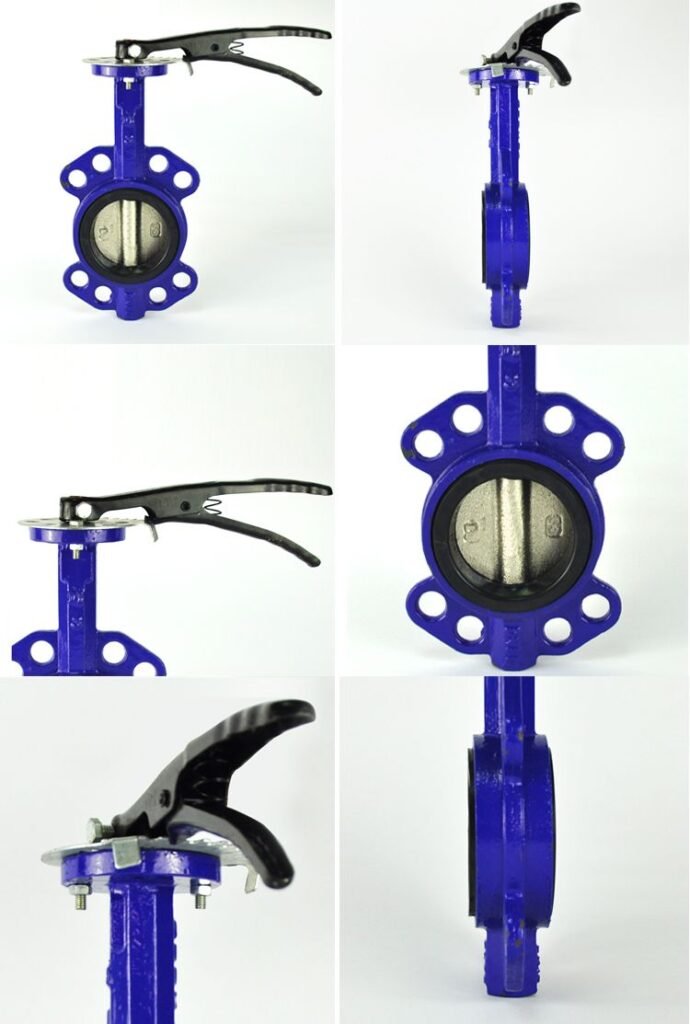
Wafer Electric Actuator Butterfly Valve
A compact design installed between two flanges.
Applications
- Water treatment
- HVAC systems
- General utilities
Lug Electric Actuator Butterfly Valve
Provides threaded connections for easier maintenance and pipeline isolation.
Applications
- Industrial processing
- Chemical systems
- Pump stations
Flanged Electric Actuator Butterfly Valve
The flanged butterfly valve design offers a strong bolted connection and is commonly used for larger pipelines and demanding industrial environments.
Applications
- Power plants
- Oil and gas facilities
- Municipal infrastructure
Electric Actuator Types
Different electric actuators are selected according to application requirements.
| Actuator Type | Application |
|---|---|
| On-Off Actuator | Simple opening and closing |
| Modulating Actuator | Flow control and positioning |
| Intelligent Actuator | Remote monitoring and advanced control |
| Explosion-Proof Actuator | Hazardous industrial environments |
The correct actuator selection depends on valve size, torque requirements, control method, and operating conditions.
Common Valve Materials
Electric actuator butterfly valves are available with different material combinations.
| Component | Common Materials |
| Body | Ductile Iron, Cast Iron, Carbon Steel, Stainless Steel |
| Disc | Stainless Steel, Ductile Iron, Aluminum Bronze |
| Shaft | Stainless Steel |
| Seat | EPDM, NBR, PTFE, FKM |
Material selection should match the pressure, temperature, and chemical characteristics of the media.
Seat Material Selection
The valve seat directly affects sealing performance.
| Seat Material | Typical Application |
| EPDM | Water, wastewater, HVAC |
| NBR | Oil, fuel, compressed air |
| PTFE | Corrosive chemicals |
| FKM (Viton®) | High-temperature fluids |
| Metal Seat | High-temperature and abrasive service |
Selecting the correct seat material improves reliability and extends service life.
Pressure Ratings and Sizes
Electric actuator butterfly valves are available in various sizes and pressure classes.
Common Sizes
- DN50–DN3000+
- 2″–120″+
Common Pressure Ratings
- PN10
- PN16
- PN25
- PN40
- ANSI Class 150
- ANSI Class 300
The actuator torque must be properly matched with the valve operating requirements.
Industrial Applications
Water Treatment
Used in:
- Water purification plants
- Pump stations
- Distribution networks
Wastewater Treatment
Applied in:
- Sewage treatment systems
- Sludge pipelines
- Drainage facilities
HVAC Systems
Commonly installed in:
- Chilled water systems
- Cooling towers
- Heating networks
Oil and Gas Industry
Used for:
- Pipeline isolation
- Process systems
- Storage facilities
Chemical Processing
Suitable for:
- Chemical transfer
- Industrial process lines
- Utility systems
Power Generation
Applications include:
- Cooling water systems
- Steam auxiliary systems
- Plant utilities
Electric Actuator Butterfly Valve vs. Pneumatic Actuator Butterfly Valve
| Feature | Electric Actuator | Pneumatic Actuator |
| Power Source | Electricity | Compressed air |
| Control Accuracy | High | High |
| Installation | Simple where electricity exists | Requires air supply system |
| Maintenance | Lower | Requires air system maintenance |
| Response Speed | Moderate | Faster |
Electric actuators are often preferred when electrical infrastructure is available and precise control is required.
How to Choose the Right Electric Actuator Butterfly Valve
When selecting an electric actuator butterfly valve, consider:
- Valve size
- Operating torque
- Pressure rating
- Working temperature
- Media compatibility
- Power supply voltage
- Control method
- Actuator protection rating
- Installation environment
- Required certifications
Proper actuator sizing is essential to ensure reliable valve operation.
Tip: For industrial systems requiring strong pipeline connections, explore our Flanged Butterfly Valve range for suitable automated valve solutions.
Quality Standards and Certifications
Reliable electric actuator butterfly valves are manufactured according to international standards, including:
- ISO 9001
- API 609
- API 598
- EN 593
- CE Certification
- IEC actuator standards
- DIN
- ANSI / ASME
- JIS
Compliance with these standards helps ensure product quality, safety, and long-term operational reliability.
Frequently Asked Questions
What is an electric actuator butterfly valve?
An electric actuator butterfly valve is a butterfly valve operated by an electric motor actuator to provide automatic opening, closing, or flow control.
What are the advantages of electric actuator butterfly valves?
They provide remote operation, precise control, automation compatibility, reduced labor requirements, and reliable performance.
Can an electric actuator butterfly valve control flow?
Yes. Modulating electric actuators can adjust the disc position to regulate flow accurately.
Where are electric actuator butterfly valves used?
They are widely used in water treatment, wastewater, HVAC, oil and gas, chemical processing, power generation, and industrial automation.
What power supplies are available for electric actuators?
Common power supplies include 24V DC, 110V AC, 220V AC, and 380V AC, depending on actuator design.
How do I select the correct electric actuator butterfly valve?
Consider valve size, torque requirement, pressure rating, media type, power supply, control method, and environmental conditions.
Conclusion
An electric actuator butterfly valve is a reliable and efficient solution for automated flow control in modern industrial systems. By combining the simple design of a butterfly valve with precise electric actuation, it provides excellent control, remote operation, and reduced maintenance requirements.
Whether used in water treatment, HVAC, chemical processing, oil and gas, or power generation, selecting the correct valve type, actuator size, materials, and pressure rating ensures safe operation and long-term performance.
From wafer and lug designs to flanged butterfly valve configurations, electric actuator butterfly valves provide a flexible solution for industrial automation and reliable flow management.