
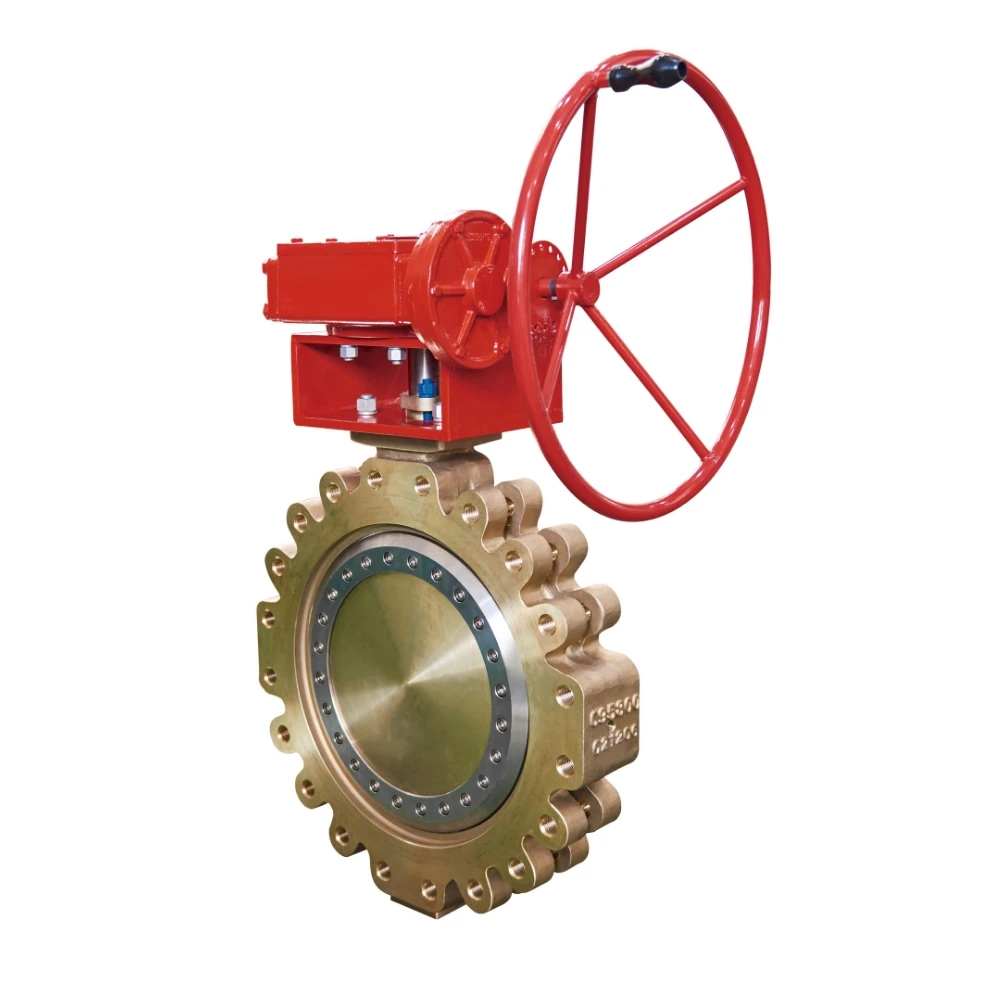
What Is a Pneumatic Actuator Butterfly Valve?
A pneumatic actuator butterfly valve is an automated butterfly valve operated by compressed air to control the opening, closing, or regulation of fluid flow in industrial piping systems. Unlike manual butterfly valves, pneumatic actuator designs use air pressure to rotate the valve disc through a quarter-turn movement, providing fast and reliable automated operation.
A pneumatic actuator converts compressed air energy into mechanical motion, which rotates the valve shaft and moves the disc between open and closed positions. This makes pneumatic actuator butterfly valves especially suitable for applications requiring quick response, frequent operation, remote control, and integration with automated process systems.
Pneumatic actuator butterfly valves are widely used in water treatment, wastewater treatment, chemical processing, oil and gas, food and beverage, pharmaceutical manufacturing, HVAC systems, power generation, and industrial automation.
They are available in wafer, lug, and flanged butterfly valve configurations to meet different pipeline connection requirements.
How Does a Pneumatic Actuator Butterfly Valve Work?
A pneumatic actuator butterfly valve operates through compressed air supplied to the actuator.
Opening Process
- Compressed air enters the pneumatic actuator chamber.
- Air pressure moves the actuator piston or vane.
- The actuator transfers motion through the valve stem.
- The disc rotates to the open position.
Closing Process
The actuator reverses the movement, rotating the disc back to the closed position and pressing it against the valve seat to create a secure seal.
Pneumatic actuators can be controlled using solenoid valves, PLC systems, or other industrial automation equipment.
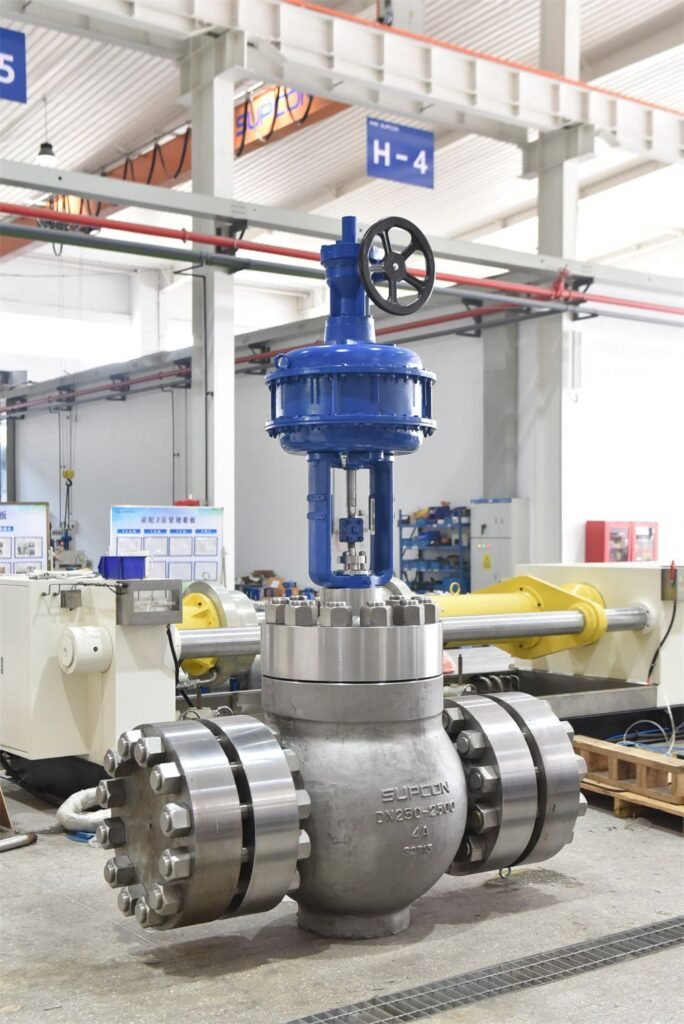
Advantages of Pneumatic Actuator Butterfly Valves
A pneumatic actuator butterfly valve provides many benefits for industrial applications:
- Fast opening and closing speed
- Reliable automated operation
- Suitable for frequent cycling
- Easy integration with control systems
- Compact actuator design
- Safe operation in hazardous environments
- Low maintenance requirements
- High operating efficiency
- Suitable for remote valve control
- Available for on-off and modulating applications
Because compressed air is widely available in industrial facilities, pneumatic actuator butterfly valves are one of the most popular automation solutions.
Types of Pneumatic Actuator Butterfly Valves
Double Acting Pneumatic Butterfly Valve
A double acting actuator uses compressed air for both opening and closing operations.
Advantages
- Fast operation
- High torque output
- Suitable for frequent cycling
Applications
- Industrial automation systems
- Process control pipelines
- Manufacturing facilities
Single Acting Pneumatic Butterfly Valve
A single acting actuator uses compressed air for one direction and a spring return system for the opposite direction.
Advantages
- Automatic fail-safe operation
- Improved safety during power or air failure
- Suitable for emergency shut-off applications
Applications
- Fire protection systems
- Chemical processing
- Safety-critical pipelines
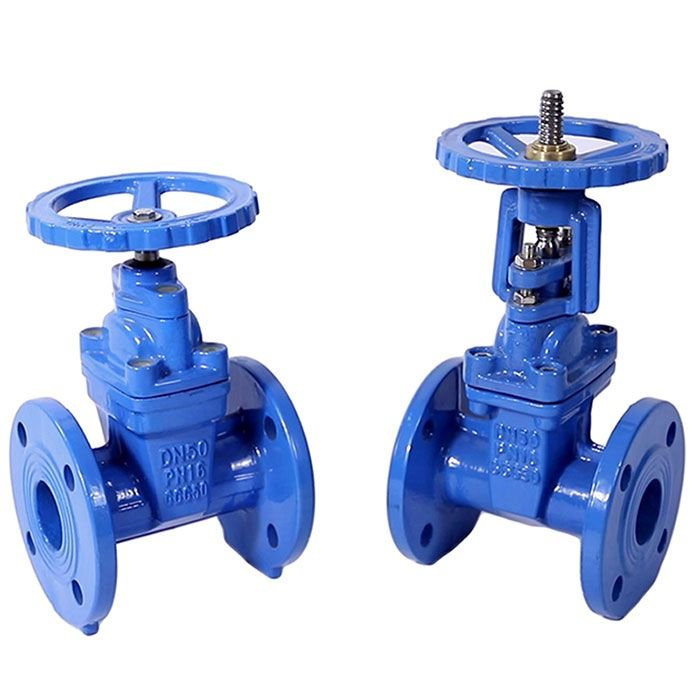
Wafer Pneumatic Actuated Butterfly Valve
A compact design installed between two flanges.
Applications
- Water treatment
- HVAC systems
- Utility pipelines
Lug Pneumatic Actuated Butterfly Valve
Designed with threaded lugs for easier maintenance and end-of-line installation.
Applications
- Chemical plants
- Industrial processing
- Pump stations
Flanged Pneumatic Actuated Butterfly Valve
The flanged butterfly valve configuration provides a strong bolted connection for large pipelines and demanding industrial applications.
Applications
- Oil and gas facilities
- Power plants
- Heavy industrial systems
Common Pneumatic Actuator Types
Different actuator designs are selected according to operating requirements.
| Actuator Type | Application |
|---|---|
| Rack and Pinion Actuator | General industrial automation |
| Scotch Yoke Actuator | High torque applications |
| Single Acting Actuator | Fail-safe systems |
| Double Acting Actuator | Frequent operation |
| Positioner Equipped Actuator | Precise flow control |
The actuator should be properly sized according to valve torque requirements and operating conditions.
Valve Materials and Construction
Pneumatic actuator butterfly valves are available with different material combinations.
| Component | Common Materials |
| Body | Ductile Iron, Cast Iron, Carbon Steel, Stainless Steel |
| Disc | Stainless Steel, Ductile Iron, Aluminum Bronze |
| Shaft | Stainless Steel |
| Seat | EPDM, NBR, PTFE, FKM |
Material selection depends on the operating pressure, temperature, corrosion level, and process media.
Seat Material Selection
The valve seat determines sealing performance and chemical compatibility.
| Seat Material | Typical Application |
| EPDM | Water, wastewater, HVAC |
| NBR | Oil, fuel, compressed air |
| PTFE | Chemical and corrosive media |
| FKM (Viton®) | High-temperature fluids |
| Metal Seat | High-temperature and abrasive applications |
Choosing the correct seat material ensures reliable shut-off and longer service life.
Pressure Ratings and Sizes
Pneumatic actuator butterfly valves are available in various pressure classes.
Common Sizes
- DN50–DN3000+
- 2″–120″+
Common Pressure Ratings
- PN10
- PN16
- PN25
- PN40
- ANSI Class 150
- ANSI Class 300
The actuator torque must be correctly matched with the valve size and operating pressure.
Industrial Applications
Water Treatment
Common uses include:
Wastewater Treatment
Installed in:
- Sewage treatment plants
- Sludge pipelines
- Drainage systems
Chemical Processing
Used for:
- Chemical transfer lines
- Process control systems
- Corrosive media applications
Oil and Gas Industry
Applied in:
- Pipeline systems
- Storage facilities
- Process plants
Food and Beverage Industry
Suitable for:
- Production lines
- Cleaning systems
- Hygienic processing applications
Power Generation
Used in:
- Cooling water systems
- Utility pipelines
- Auxiliary equipment
Pneumatic Actuator Butterfly Valve vs. Electric Actuator Butterfly Valve
| Feature | Pneumatic Actuator | Electric Actuator |
| Power Source | Compressed air | Electricity |
| Operating Speed | Faster | Moderate |
| Maintenance | Requires air system maintenance | Generally lower |
| Hazardous Areas | Excellent suitability | Requires special protection |
| Control Accuracy | High with positioner | High |
| Best Application | Fast cycling systems | Precise automated control |
Pneumatic actuators are often preferred when fast operation and reliable cycling are required.
How to Choose the Right Pneumatic Actuator Butterfly Valve
When selecting a pneumatic actuator butterfly valve, consider:
- Valve size
- Operating torque
- Air supply pressure
- Operating frequency
- Pressure rating
- Working temperature
- Fluid characteristics
- Valve material
- Seat material
- Fail-safe requirements
- Control method
Proper actuator sizing is essential to ensure reliable operation and prevent premature failure.
Tip: For industrial pipelines requiring strong and secure connections, explore our Flanged Butterfly Valve range for automated valve solutions.
Quality Standards and Certifications
High-quality pneumatic actuator butterfly valves are manufactured according to international standards, including:
- ISO 9001
- API 609
- API 598
- EN 593
- CE Certification
- DIN
- ANSI / ASME
- JIS
- ATEX (for hazardous environments where applicable)
Compliance with these standards ensures reliable performance, safety, and long-term operation.
Frequently Asked Questions
What is a pneumatic actuator butterfly valve?
A pneumatic actuator butterfly valve is an automated butterfly valve that uses compressed air to rotate the valve disc and control fluid flow.
What is the difference between single acting and double acting pneumatic actuators?
A single acting actuator uses springs for one direction of movement and provides fail-safe operation, while a double acting actuator uses compressed air for both opening and closing.
Why use a pneumatic actuator instead of manual operation?
Pneumatic actuators provide faster operation, remote control capability, and easier automation for industrial systems.
Where are pneumatic actuator butterfly valves used?
They are commonly used in water treatment, chemical processing, oil and gas, food processing, pharmaceuticals, power generation, and industrial automation.
Can pneumatic actuator butterfly valves control flow?
Yes. When equipped with a positioner, pneumatic actuators can provide accurate modulating flow control.
How do I select the correct pneumatic actuator butterfly valve?
Consider valve torque, air supply pressure, valve size, media characteristics, pressure rating, operating temperature, and required control functions.
Conclusion
A pneumatic actuator butterfly valve is an efficient and reliable solution for automated industrial flow control. By combining the simple, durable design of a butterfly valve with the speed and flexibility of pneumatic actuation, it provides excellent performance in demanding applications.
From water treatment and chemical processing to oil and gas, food production, and power generation, pneumatic actuator butterfly valves deliver fast response, dependable operation, and easy integration with modern automation systems.
Whether selecting a wafer, lug, or flanged butterfly valve design, choosing the correct actuator type, material combination, and pressure rating ensures safe operation, reduced maintenance, and long-term system reliability.