

What Is a High Temperature Butterfly Valve?
A high temperature butterfly valve is a specially designed butterfly valve that can operate reliably under elevated temperature conditions where standard soft-seated valves may fail. These valves are manufactured with heat-resistant materials, advanced sealing systems, and durable construction to maintain performance in demanding industrial environments.
Unlike conventional butterfly valves designed for normal-temperature applications, high temperature butterfly valves are engineered to withstand extreme heat while maintaining reliable shut-off, flow regulation, and mechanical stability.
These valves are commonly used in industries such as power generation, chemical processing, oil and gas, steam systems, metallurgy, petrochemical plants, and industrial heating applications.
Depending on the operating conditions, high temperature butterfly valves can use metal seats, graphite seals, PTFE-based materials, or special alloy components to achieve long service life.
They are available in different connection designs, including wafer, lug, and flanged butterfly valve configurations.
How Does a High Temperature Butterfly Valve Work?
A high temperature butterfly valve operates using the same quarter-turn principle as standard butterfly valves. The valve disc rotates around a central shaft to control the flow of liquids, gases, or high-temperature media.
Opening Process
- The actuator or manual operator rotates the valve shaft.
- The shaft moves the disc into the open position.
- The disc aligns with the pipeline direction.
- The medium flows through the valve with minimal restriction.
Closing Process
The shaft rotates the disc 90 degrees until it contacts the seat or sealing surface, creating a tight shut-off.
For high-temperature applications, the valve design must account for thermal expansion, material deformation, and sealing performance at elevated temperatures.
Why Use a High Temperature Butterfly Valve?
A standard butterfly valve may experience reduced sealing performance when exposed to extreme heat. A high temperature butterfly valve solves these challenges through specialized construction.
Key benefits include:
- Excellent resistance to high temperatures
- Stable sealing performance
- Reduced thermal deformation
- Long service life under harsh conditions
- Suitable for demanding industrial environments
- Lower maintenance requirements
- Compact and lightweight design
- Reliable flow isolation
These advantages make high temperature butterfly valves an economical alternative to larger and heavier industrial valve designs.
Main Types of High Temperature Butterfly Valves
Metal Seated High Temperature Butterfly Valve
A metal seated butterfly valve uses metal-to-metal sealing surfaces designed for extreme temperature applications.
Advantages
- Excellent heat resistance
- Suitable for high-temperature gases and fluids
- Resistant to wear and abrasion
- Long operating life
Applications
- Power plants
- Steam systems
- Chemical processing
- Furnace applications
Triple Offset High Temperature Butterfly Valve
A triple offset butterfly valve uses an advanced offset design that eliminates rubbing between the disc and seat during operation.
Advantages
- Zero leakage shut-off capability
- Reduced wear
- Suitable for high-temperature service
- Excellent durability
Applications
- Petrochemical systems
- Oil and gas pipelines
- Thermal processing systems
Double Offset High Temperature Butterfly Valve
A double offset design reduces friction between the disc and seat, improving valve life.
Advantages
- Lower operating torque
- Better sealing performance
- Suitable for medium and high-temperature applications
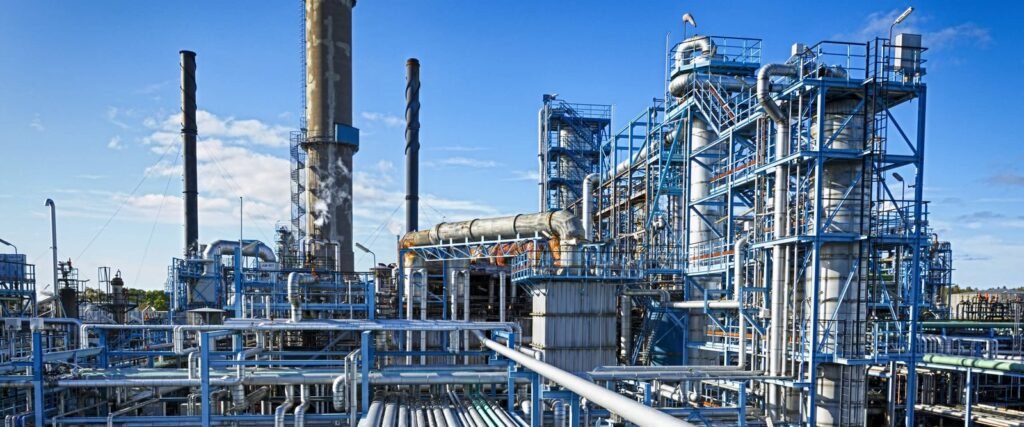
Flanged High Temperature Butterfly Valve
A flanged butterfly valve design provides a strong bolted connection and is often selected for large industrial pipelines operating under high temperature conditions.
Applications
- Heavy industrial systems
- Power generation
- Petrochemical facilities
Materials Used in High Temperature Butterfly Valves
Material selection is critical for high-temperature performance.
| Component | Common Materials |
|---|---|
| Body | Carbon Steel, Stainless Steel, Cast Steel, Alloy Steel |
| Disc | Stainless Steel, Duplex Steel, Aluminum Bronze |
| Shaft | Stainless Steel, Alloy Steel |
| Seat | Metal Seat, Graphite, PTFE, High-Temperature Elastomers |
The correct material combination depends on temperature range, pressure, corrosion conditions, and process media.
High Temperature Seat Materials
The sealing material determines the maximum operating temperature and reliability.
| Seat Material | Typical Temperature Application |
| Metal Seat | Extreme temperature applications |
| Graphite Seal | High-temperature gases and steam |
| PTFE Modified Materials | Chemical and moderate temperature service |
| FKM | Medium-high temperature applications |
| EPDM | Lower temperature water applications |
For very high-temperature systems, metal seated designs are usually preferred because soft materials may lose strength over time.
Temperature Range of High Temperature Butterfly Valves
The operating temperature depends on valve construction and materials.
Typical ranges include:
| Valve Type | Approximate Temperature Capability |
| Soft Seated Butterfly Valve | Moderate temperature service |
| PTFE Seated Butterfly Valve | Higher chemical temperature applications |
| Metal Seated Butterfly Valve | High-temperature industrial service |
| Triple Offset Butterfly Valve | Extreme temperature applications |
Always confirm the actual temperature rating with the valve manufacturer before selection.
Industrial Applications
Power Generation
High temperature butterfly valves are used in:
- Cooling systems
- Hot gas pipelines
- Steam-related auxiliary systems
- Energy production equipment
Oil and Gas Industry
Applications include:
- Refinery pipelines
- Hot process systems
- Hydrocarbon transportation
- Gas processing facilities
Chemical Industry
Used for:
- Corrosive high-temperature media
- Chemical reactors
- Process pipelines
Petrochemical Plants
Common applications include:
- Thermal processing systems
- High-temperature fluid control
- Refining equipment
Steel and Metallurgy Industry
Installed in:
- Furnace systems
- Hot air pipelines
- Gas control systems
Waste Incineration Systems
Used for:
- Exhaust gas control
- High-temperature airflow systems
- Emission treatment equipment
High Temperature Butterfly Valve vs Standard Butterfly Valve
| Feature | High Temperature Butterfly Valve | Standard Butterfly Valve |
| Temperature Capability | High | Normal |
| Seat Material | Metal, graphite, special materials | EPDM, NBR, PTFE |
| Application | Extreme industrial environments | General pipelines |
| Cost | Higher | Lower |
| Service Life | Longer under heat conditions | Limited at high temperatures |
Choosing the correct valve type prevents premature failure and reduces maintenance costs.
How to Choose the Right High Temperature Butterfly Valve
When selecting a high temperature butterfly valve, consider:
- Maximum operating temperature
- Operating pressure
- Media characteristics
- Valve material
- Seat material
- Leakage requirements
- Connection type
- Valve size
- Manual or automated operation
- Industry standards
For extreme temperature applications, it is important to evaluate thermal expansion, corrosion resistance, and sealing performance.
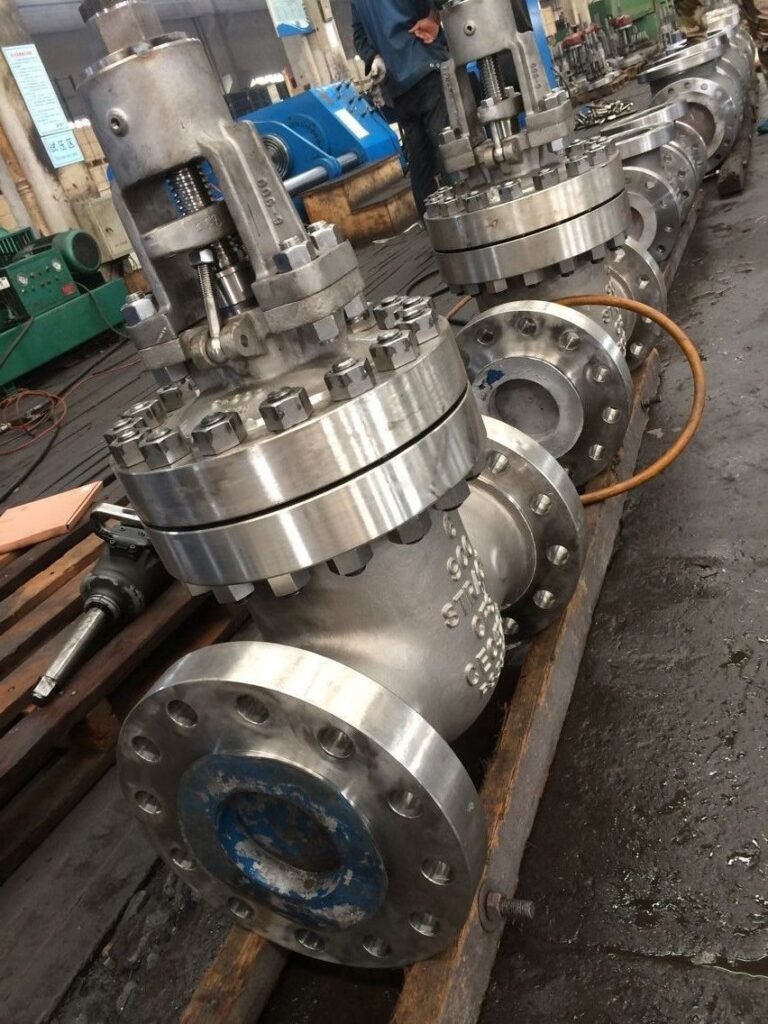
Tip: For industrial pipelines requiring strong connections and reliable sealing, explore our Flanged Butterfly Valve solutions for demanding applications.
Actuation Options for High Temperature Butterfly Valves
High temperature butterfly valves can be operated using:
Manual Operation
Suitable for:
- Low-frequency operation
- Accessible locations
- Small and medium valves
Gear Operation
Suitable for:
- Larger valve sizes
- Higher torque requirements
Electric Actuation
Used for:
- Automated systems
- Remote operation
Pneumatic Actuation
Used for:
Quality Standards and Certifications
Reliable high temperature butterfly valves are manufactured according to international standards, including:
- ISO 9001
- API 609
- API 598
- EN 593
- ASME B16.34
- ANSI standards
- CE certification
Compliance with these standards ensures safety, durability, and consistent performance.
Frequently Asked Questions
What is a high temperature butterfly valve?
A high temperature butterfly valve is a specially designed valve that uses heat-resistant materials and sealing systems to control flow in high-temperature industrial applications.
What temperature can a high temperature butterfly valve handle?
The maximum temperature depends on the valve design, seat material, and construction. Metal seated and triple offset designs generally handle much higher temperatures than soft seated valves.
Which seat material is best for high temperature applications?
Metal seats and graphite sealing systems are commonly selected for extreme temperature applications because they maintain strength and sealing performance.
Where are high temperature butterfly valves used?
They are widely used in power plants, chemical industries, oil and gas facilities, petrochemical plants, metallurgy, and industrial heating systems.
Can a high temperature butterfly valve be automated?
Yes. High temperature butterfly valves can be equipped with electric, pneumatic, or hydraulic actuators for automatic operation.
What is the difference between triple offset and standard butterfly valves?
Triple offset butterfly valves reduce friction between the disc and seat, providing better sealing performance and longer service life under high-temperature conditions.
Conclusion
A high temperature butterfly valve is an essential flow control solution for industries operating under extreme heat conditions. With advanced materials, durable sealing systems, and specialized designs such as metal seated and triple offset structures, these valves provide reliable performance in demanding environments.
From power generation and petrochemical processing to chemical plants and industrial heating systems, selecting the correct valve design, material combination, and actuator type ensures safe operation and long-term reliability.
Whether using a wafer, lug, or flanged butterfly valve configuration, a properly selected high temperature butterfly valve delivers efficient flow control and dependable service in challenging industrial applications.