
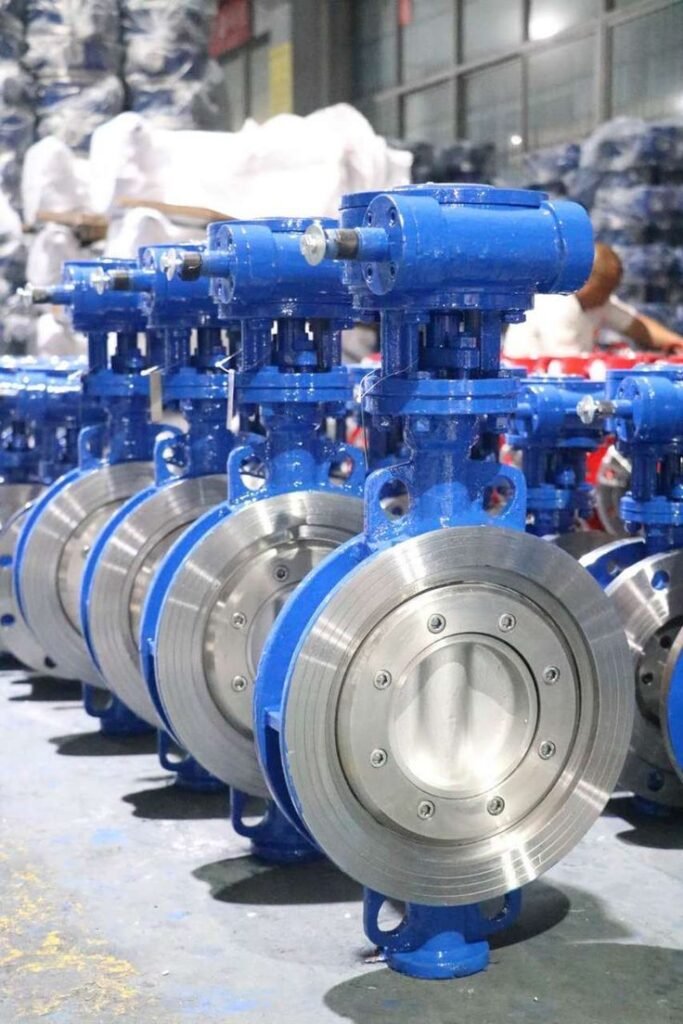
What Is a Lever Operated Butterfly Valve?
A lever operated butterfly valve is a manually controlled quarter-turn valve that uses a lever handle to rotate the valve disc and control the flow of liquids or gases. Unlike automated butterfly valves that require electric, pneumatic, or hydraulic actuators, lever-operated designs are operated directly by hand, making them a simple, economical, and reliable solution for flow isolation.
The lever mechanism is connected to the valve stem, allowing the operator to rotate the disc 90 degrees between the fully open and fully closed positions. This quick operation method provides efficient shut-off and easy visual indication of valve position.
Lever operated butterfly valves are commonly used in water treatment, wastewater treatment, HVAC systems, irrigation, fire protection, food processing, chemical utilities, and general industrial piping applications.
They are available in wafer, lug, and flanged butterfly valve configurations to meet different pipeline installation requirements.
How Does a Lever Operated Butterfly Valve Work?
A lever operated butterfly valve uses a simple mechanical operating system.
Opening Process
- The operator moves the lever handle.
- The lever rotates the valve shaft.
- The shaft turns the internal disc.
- The disc moves into a parallel position with the pipeline, allowing fluid flow.
Closing Process
The operator rotates the lever 90 degrees in the opposite direction. The disc moves perpendicular to the flow and presses against the valve seat to create a tight shut-off.
Many lever-operated butterfly valves include a locking mechanism or position plate to prevent accidental operation.
Advantages of Lever Operated Butterfly Valves
A lever operated butterfly valve offers several benefits for industrial and commercial applications:
- Simple manual operation
- Fast quarter-turn opening and closing
- No external power required
- Low installation cost
- Compact and lightweight design
- Easy maintenance
- Low operating torque
- Quick visual position checking
- Reliable shut-off performance
- Suitable for frequent operation
Because of their simplicity and affordability, lever-operated butterfly valves are among the most commonly used manual valves in industrial piping systems.
Types of Lever Operated Butterfly Valves
Wafer Lever Operated Butterfly Valve
A wafer design is installed between two pipe flanges and provides a compact and cost-effective solution.
Common Applications
- Water distribution systems
- HVAC pipelines
- Utility services
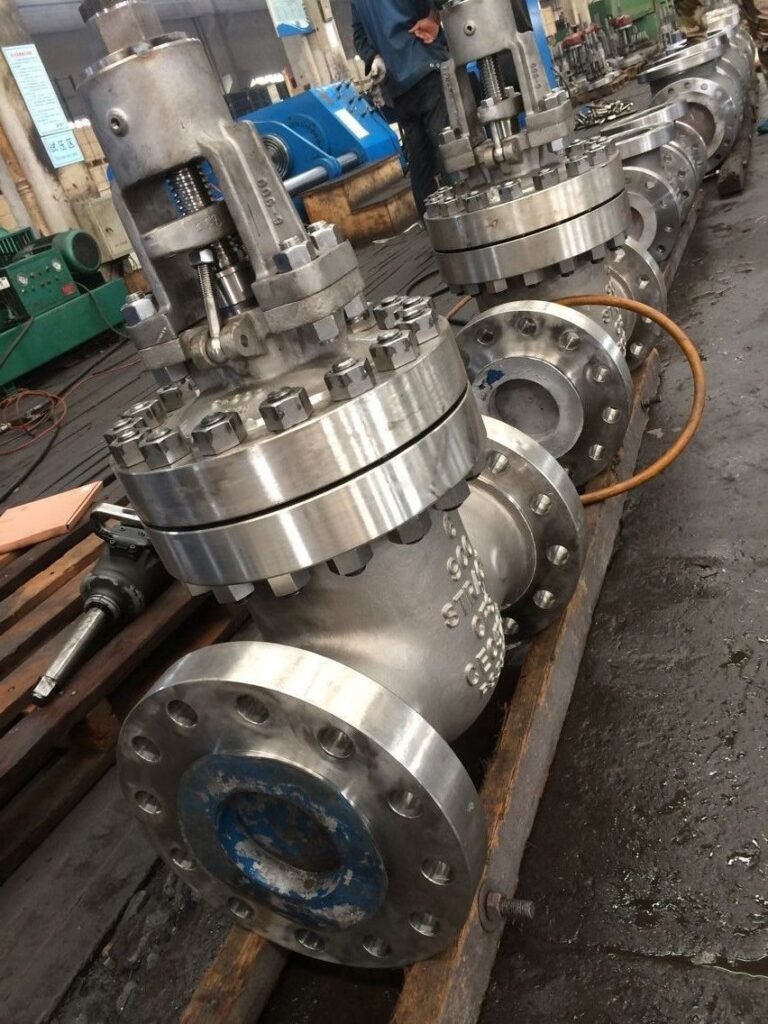
Lug Lever Operated Butterfly Valve
A lug design includes threaded inserts that allow easier maintenance and pipeline isolation.
Common Applications
- Industrial processing
- Chemical systems
- Pump stations
Flanged Lever Operated Butterfly Valve
A flanged butterfly valve with lever operation provides a secure bolted connection and is suitable for larger pipelines where stronger mechanical support is required.
Common Applications
- Municipal water systems
- Industrial plants
- Process pipelines
Common Materials Used in Lever Operated Butterfly Valves
Lever operated butterfly valves are manufactured using different materials to suit various operating conditions.
| Component | Common Materials |
|---|---|
| Body | Ductile Iron, Cast Iron, Carbon Steel, Stainless Steel |
| Disc | Stainless Steel, Ductile Iron, Aluminum Bronze |
| Shaft | Stainless Steel |
| Seat | EPDM, NBR, PTFE, FKM |
The correct material combination depends on pressure, temperature, corrosion conditions, and the type of media being controlled.
Seat Material Selection
The seat provides sealing between the disc and valve body.
| Seat Material | Typical Application |
| EPDM | Water, wastewater, HVAC |
| NBR | Oil, fuel, compressed air |
| PTFE | Chemical and corrosive applications |
| FKM (Viton®) | High-temperature service |
| Metal Seat | High-temperature and abrasive media |
Selecting the proper seat material helps ensure reliable sealing and longer operating life.
Pressure Ratings and Sizes
Lever operated butterfly valves are available in different sizes and pressure classes.
Common Sizes
- DN40–DN300+
- 1½”–12″+
For larger valve sizes, gear operators are often preferred because the required operating torque becomes higher.
Common Pressure Ratings
- PN10
- PN16
- PN25
- ANSI Class 150
The valve pressure rating should match the maximum operating pressure of the piping system.
Industrial Applications
Water Treatment
Lever operated butterfly valves are widely used in:
- Water filtration systems
- Pump stations
- Distribution pipelines
Wastewater Treatment
Common applications include:
- Sewage treatment facilities
- Drainage systems
- Sludge handling pipelines
HVAC Systems
Used in:
- Chilled water systems
- Cooling towers
- Heating networks
Irrigation Systems
Suitable for:
- Agricultural water supply
- Pumping systems
- Water management projects
Fire Protection Systems
Applied in:
- Fire water pipelines
- Sprinkler systems
- Pump rooms
Industrial Utility Systems
Installed in:
- Manufacturing plants
- Process water systems
- General service pipelines
Lever Operated Butterfly Valve vs. Gear Operated Butterfly Valve
| Feature | Lever Operated Butterfly Valve | Gear Operated Butterfly Valve |
| Operating Method | Direct lever handle | Worm gear mechanism |
| Operation Speed | Faster | Slower but smoother |
| Valve Size | Small to medium sizes | Medium to large sizes |
| Torque Requirement | Higher | Lower |
| Cost | Lower | Higher |
| Best Application | Quick manual isolation | Large valves requiring torque reduction |
Lever operation is ideal for smaller valves where direct manual control is easy and efficient.
Lever Operated Butterfly Valve vs. Actuated Butterfly Valve
| Feature | Lever Operated Valve | Actuated Valve |
| Operation | Manual | Automatic |
| Power Source | None | Electricity, air, or hydraulic power |
| Installation Cost | Lower | Higher |
| Remote Control | No | Yes |
| Maintenance | Simple | More complex |
Manual lever operation remains a preferred choice where automation is unnecessary.
How to Choose the Right Lever Operated Butterfly Valve
When selecting a lever operated butterfly valve, consider:
- Valve size
- Operating pressure
- Temperature range
- Fluid type
- Body material
- Disc material
- Seat material
- Connection type
- Installation environment
- Operation frequency
Proper valve selection ensures reliable performance and reduces maintenance requirements.
Tip: For applications requiring a stronger bolted connection, explore our Flanged Butterfly Valve range for dependable industrial flow control solutions.
Quality Standards and Certifications
High-quality lever operated butterfly valves are manufactured according to international standards, including:
- ISO 9001
- API 609
- API 598
- EN 593
- CE Certification
- DIN
- ANSI / ASME
- JIS
- WRAS (for potable water applications)
Following these standards ensures product quality, reliable sealing, and safe operation.
Frequently Asked Questions
What is a lever operated butterfly valve?
A lever operated butterfly valve is a manually operated valve that uses a handle to rotate the disc and control fluid flow.
How does a lever butterfly valve work?
The operator moves the lever, which rotates the valve shaft and disc by 90 degrees to open or close the flow passage.
What sizes are suitable for lever operation?
Lever operators are commonly used for small and medium butterfly valves where manual operation torque remains manageable.
Where are lever operated butterfly valves used?
They are commonly used in water treatment, HVAC, irrigation, wastewater, fire protection, and industrial utility systems.
Can a lever operated butterfly valve be automated?
Yes. Many butterfly valves can be upgraded with electric, pneumatic, or hydraulic actuators when automation is needed.
What is the difference between lever and gear operation?
A lever provides quick direct operation, while a gearbox reduces operating torque and is better suited for larger valve sizes.
Conclusion
A lever operated butterfly valve is a simple, reliable, and cost-effective solution for manual flow control applications. Its quarter-turn operation, compact structure, and easy maintenance make it suitable for a wide range of industrial and commercial systems.
From water treatment and HVAC to irrigation, wastewater, and industrial utilities, lever-operated butterfly valves provide dependable shut-off performance. Selecting the correct valve type, material combination, pressure rating, and connection design ensures long service life and efficient operation.
Whether choosing a wafer, lug, or flanged butterfly valve design, a properly selected lever operated butterfly valve delivers reliable and economical flow control.