
What Is a Chain Wheel Butterfly Valve?
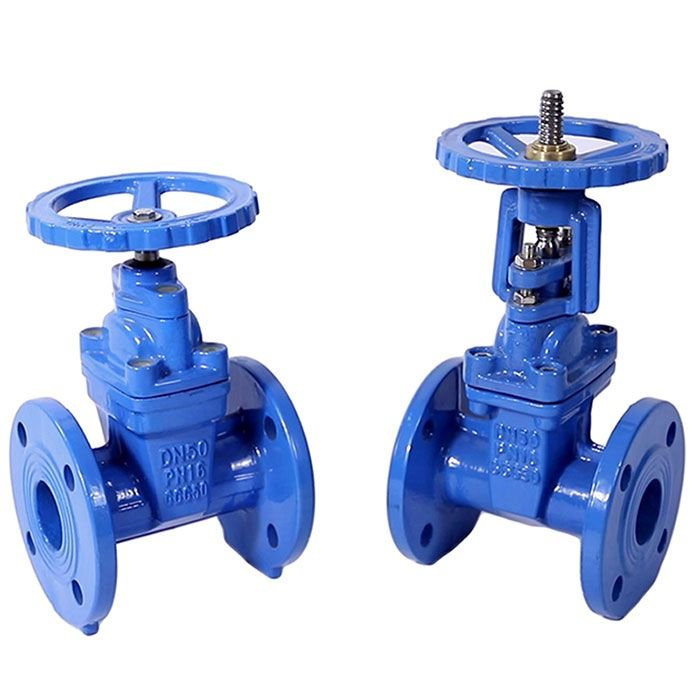
A chain wheel butterfly valve is a manually operated butterfly valve equipped with a chain wheel mechanism that allows operators to open and close valves installed in high or difficult-to-reach locations. Instead of using a standard lever handle or handwheel mounted directly on the valve, this design uses a chain loop connected to a wheel, enabling operation from ground level or a safer operating position.
Chain wheel butterfly valves are especially useful when valves are installed on elevated pipelines, overhead systems, large-diameter pipes, or locations where direct access is limited. The chain mechanism transfers manual force to the valve operator, allowing smooth and reliable quarter-turn operation.
These valves are widely used in water treatment plants, HVAC systems, fire protection networks, industrial facilities, chemical plants, power generation systems, and large utility pipelines.
They are available in wafer, lug, and flanged butterfly valve configurations to meet different installation requirements.
How Does a Chain Wheel Butterfly Valve Work?
A chain wheel butterfly valve operates through a simple mechanical chain-driven mechanism.
Opening Process
- The operator pulls the chain loop in the required direction.
- The chain rotates the chain wheel assembly.
- The attached gearbox or valve stem mechanism turns the disc.
- The disc rotates to the open position, allowing fluid flow.
Closing Process
The operator pulls the chain in the opposite direction, rotating the disc back until it seals against the valve seat.
The chain wheel design allows operators to control valves safely without needing access to the valve body itself.
Advantages of Chain Wheel Butterfly Valves
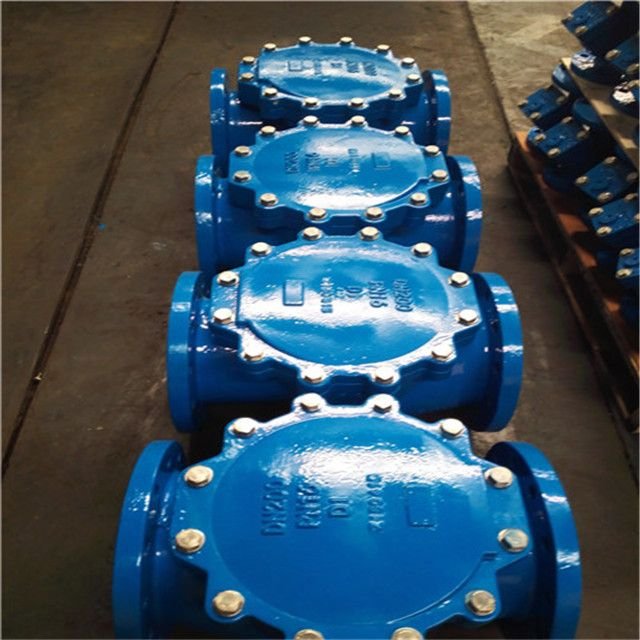
A chain wheel butterfly valve provides several important advantages:
- Easy operation for elevated valves
- No electrical or pneumatic power required
- Suitable for large valve sizes
- Reduced operator effort
- Improved workplace safety
- Compact installation design
- Reliable manual control
- Low maintenance requirements
- Cost-effective compared with automated systems
- Suitable for remote valve locations
These features make chain wheel butterfly valves an excellent choice for applications where manual valve operation is needed but direct access is difficult.
Types of Chain Wheel Butterfly Valves
Wafer Chain Wheel Butterfly Valve
A wafer design is installed between two pipe flanges and provides a compact solution.
Applications
- HVAC systems
- Water pipelines
- Utility systems
Lug Chain Wheel Butterfly Valve
A lug design includes threaded inserts for easier maintenance and secure pipeline isolation.
Applications
- Industrial processing
- Pump stations
- Chemical systems
Flanged Chain Wheel Butterfly Valve
A flanged butterfly valve with chain wheel operation provides a rigid bolted connection suitable for larger pipelines and heavy-duty applications.
Applications
- Water distribution systems
- Power plants
- Industrial facilities
Common Materials Used in Chain Wheel Butterfly Valves
Chain wheel butterfly valves are available in different material combinations.
| Component | Common Materials |
|---|---|
| Body | Ductile Iron, Cast Iron, Carbon Steel, Stainless Steel |
| Disc | Stainless Steel, Ductile Iron, Aluminum Bronze |
| Shaft | Stainless Steel |
| Seat | EPDM, NBR, PTFE, FKM |
Material selection depends on pressure, temperature, corrosion resistance, and media compatibility.
Seat Material Selection
The seat material determines sealing performance and application suitability.
| Seat Material | Typical Application |
| EPDM | Water, wastewater, HVAC |
| NBR | Oil, fuel, air systems |
| PTFE | Chemical and corrosive media |
| FKM (Viton®) | High-temperature fluids |
| Metal Seat | High-temperature and abrasive applications |
Selecting the correct seat material improves valve reliability and service life.
Pressure Ratings and Sizes
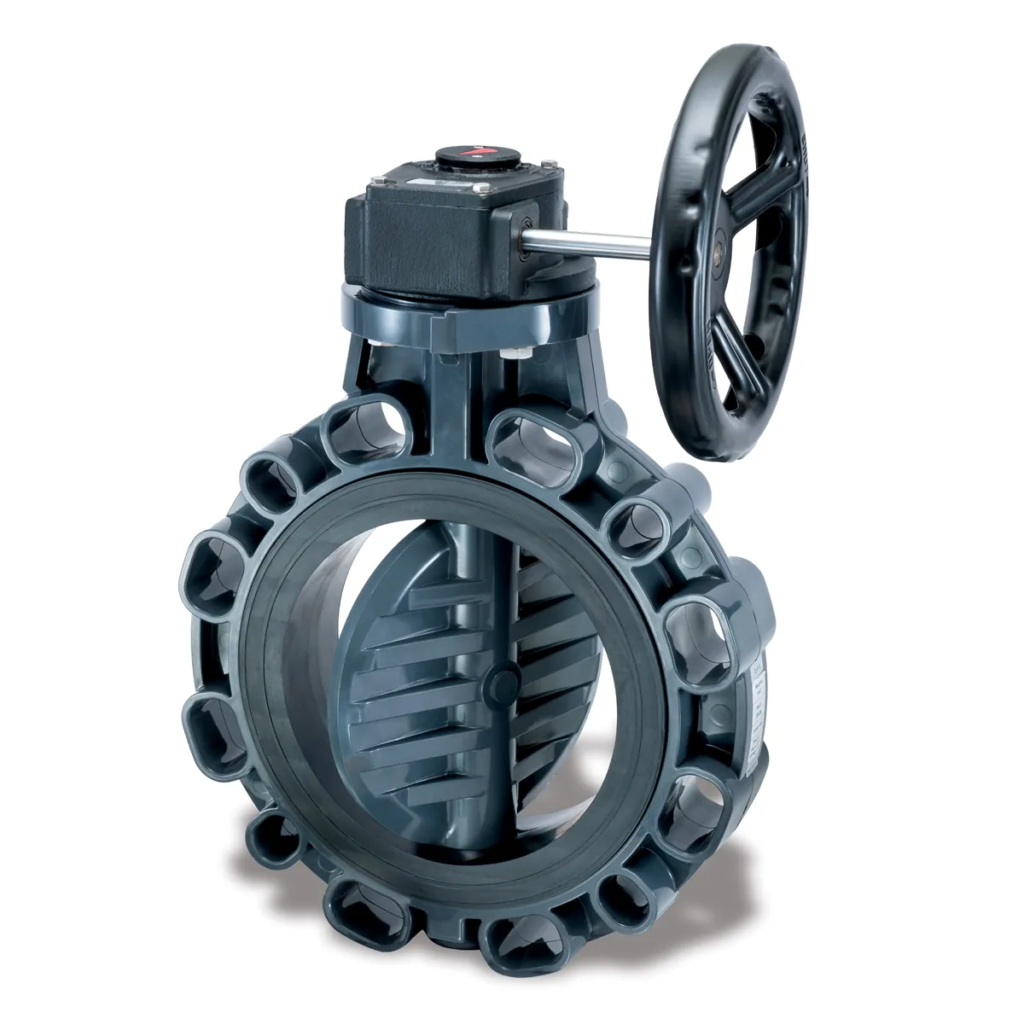
Chain wheel butterfly valves are available in various pressure classes.
Common Sizes
- DN100–DN3000+
- 4″–120″+
Common Pressure Ratings
- PN10
- PN16
- PN25
- PN40
- ANSI Class 150
- ANSI Class 300
Large-diameter valves often use chain wheel operators because direct manual operation becomes difficult.
Industrial Applications
Water Treatment Plants
Common applications include:
- Water distribution pipelines
- Filtration systems
- Pump stations
Wastewater Treatment
Used in:
- Sewage treatment facilities
- Sludge pipelines
- Drainage systems
HVAC Systems
Suitable for:
- Cooling systems
- Heating pipelines
- Large ventilation water circuits
Fire Protection Systems
Applied in:
- Fire sprinkler networks
- Fire pump systems
- Water storage systems
Power Generation
Used for:
- Cooling water systems
- Utility pipelines
- Large flow isolation applications
Industrial Facilities
Installed in:
- Manufacturing plants
- Mining operations
- Process pipelines
Chain Wheel Butterfly Valve vs. Gear Operated Butterfly Valve
| Feature | Chain Wheel Butterfly Valve | Gear Operated Butterfly Valve |
| Operation Method | Chain-driven manual operation | Worm gear handwheel operation |
| Installation Location | High or inaccessible areas | Ground-level installations |
| Power Requirement | None | None |
| Operation Speed | Moderate | Moderate |
| Best Application | Elevated valves | Large valves requiring torque reduction |
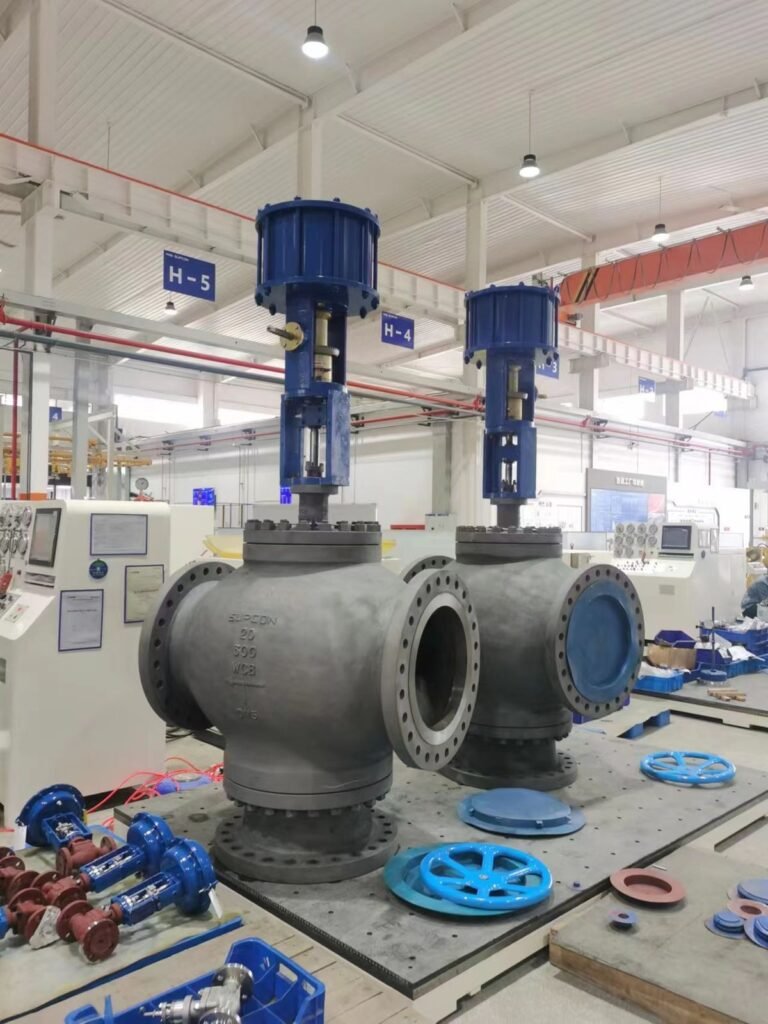
Both designs reduce operator effort, but chain wheel systems are especially useful when the valve is installed above normal reach.
Chain Wheel Butterfly Valve vs. Actuated Butterfly Valve
| Feature | Chain Wheel | Actuated Valve |
| Operation | Manual | Automatic |
| Power Required | None | Electricity, air, or hydraulic power |
| Cost | Lower | Higher |
| Remote Automation | No | Yes |
| Maintenance | Simple | More complex |
Chain wheel butterfly valves are ideal when automation is unnecessary but safe manual operation is required.
How to Choose the Right Chain Wheel Butterfly Valve
When selecting a chain wheel butterfly valve, consider:
- Valve installation height
- Pipeline size
- Operating pressure
- Working temperature
- Fluid characteristics
- Valve material
- Seat material
- Connection type
- Operating frequency
- Required standards
Proper selection ensures safe operation and long-term valve performance.
Tip: For large pipelines requiring a secure connection, explore our Flanged Butterfly Valve range for reliable industrial flow control solutions.
Quality Standards and Certifications
Reliable chain wheel butterfly valves are manufactured according to international standards, including:
- ISO 9001
- API 609
- API 598
- EN 593
- CE Certification
- DIN
- ANSI / ASME
- JIS
- WRAS (for potable water applications)
Compliance with these standards ensures reliable sealing, safe operation, and consistent product quality.
Frequently Asked Questions
What is a chain wheel butterfly valve?
A chain wheel butterfly valve is a manually operated butterfly valve equipped with a chain mechanism that allows operation from a distance or elevated location.
Why use a chain wheel on a butterfly valve?
A chain wheel allows operators to control valves installed in high, overhead, or difficult-to-access locations without using ladders or platforms.
Where are chain wheel butterfly valves commonly used?
They are widely used in water treatment, HVAC, fire protection, power generation, industrial plants, and large utility pipelines.
Can chain wheel butterfly valves be used for large valves?
Yes. Chain wheel mechanisms are commonly installed on larger butterfly valves where direct handle operation is impractical.
What is the difference between a chain wheel and gearbox butterfly valve?
A chain wheel is designed mainly for remote manual access, while a gearbox provides torque reduction for easier operation of large valves.
Can a chain wheel butterfly valve be automated later?
In many cases, the manual operator can be replaced or upgraded with an electric, pneumatic, or hydraulic actuator if automation is required.
Conclusion
A chain wheel butterfly valve is a practical and reliable solution for manual flow control in locations where direct valve access is difficult. Its chain-operated mechanism improves safety, convenience, and operating efficiency without requiring external power.
With wafer, lug, and flanged butterfly valve options available, chain wheel butterfly valves are widely used in water treatment, HVAC, fire protection, power generation, and industrial applications. Selecting the correct valve size, materials, pressure rating, and operating mechanism ensures dependable performance and long service life.